MICROSOFT · CREATIVE DIRECTOR, MICROSOFT STORE

Building a physical-digital retail ecosystem for Microsoft.

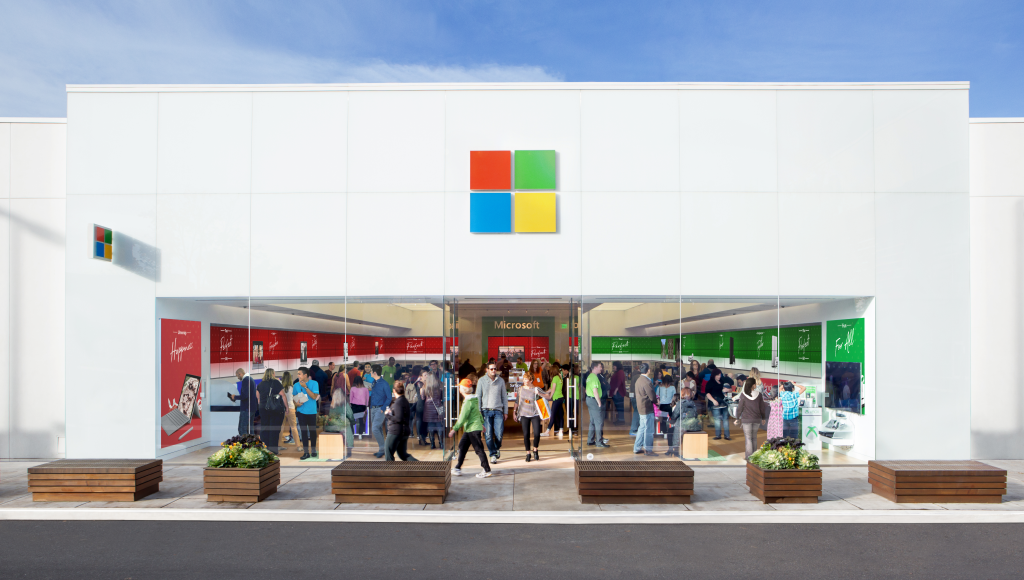
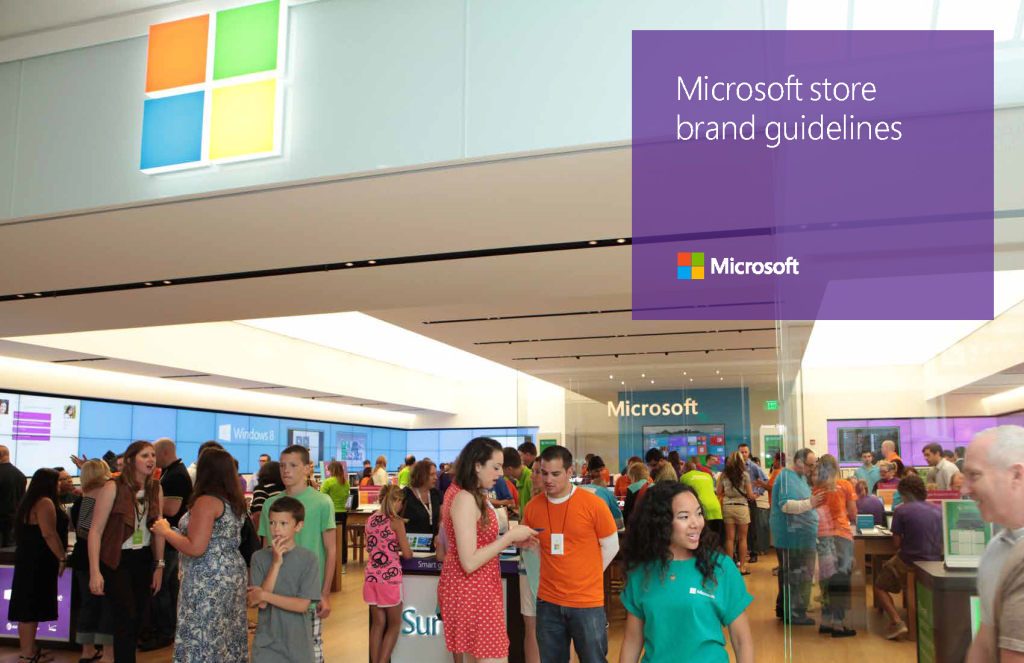
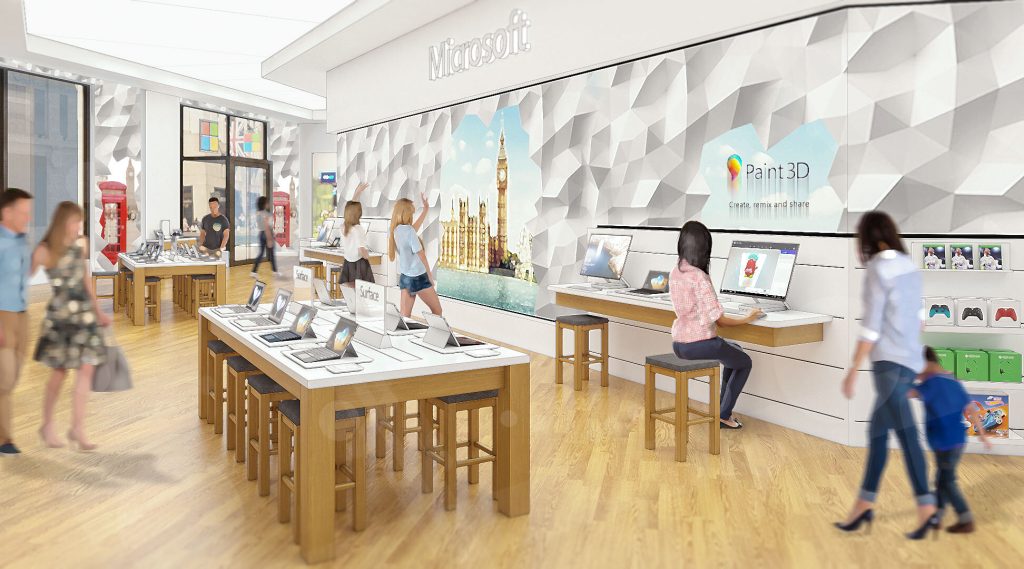
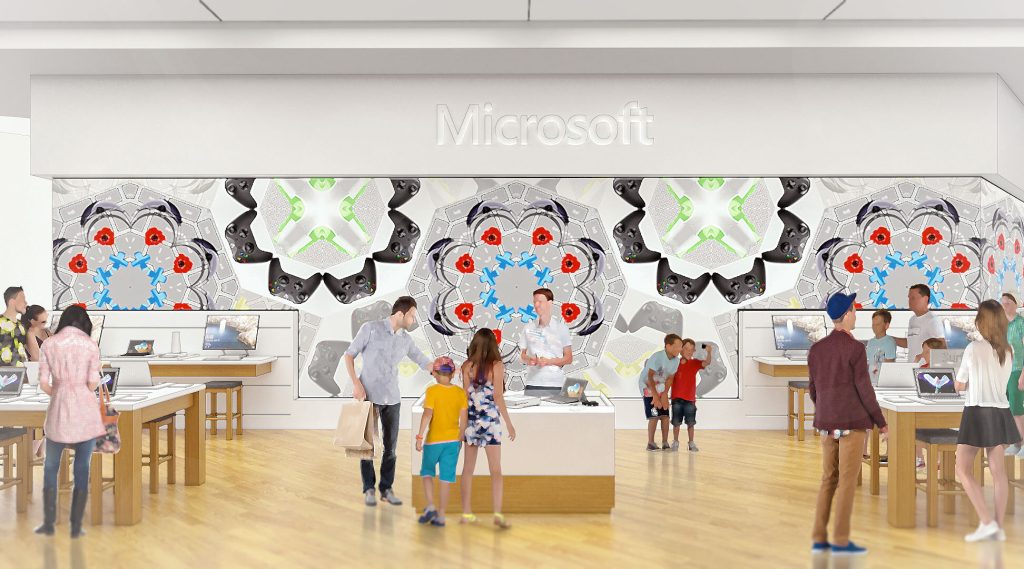
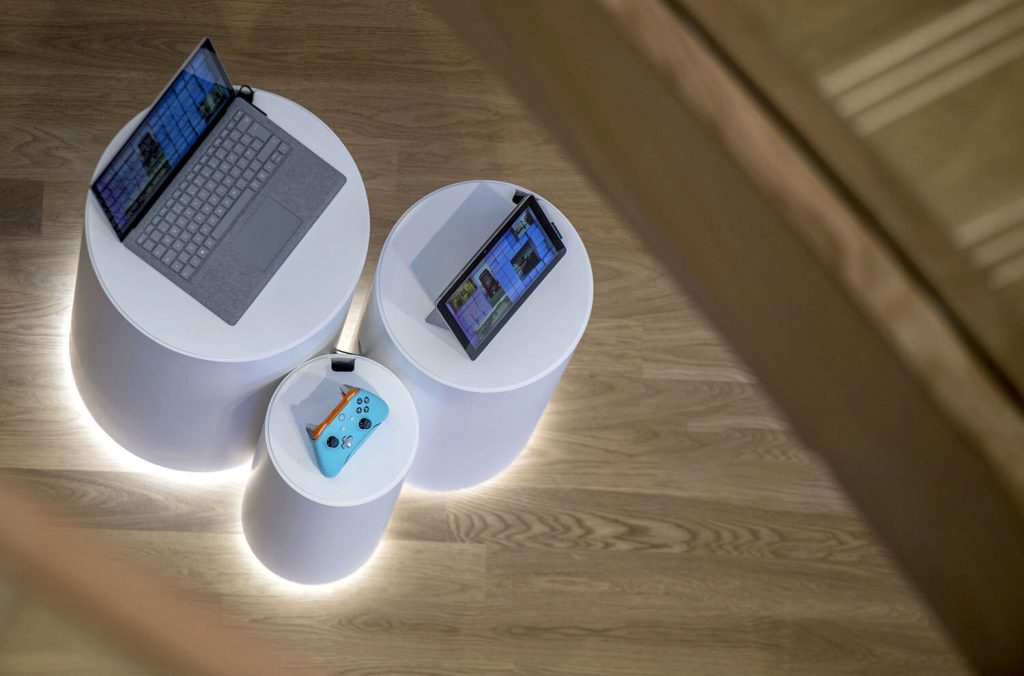
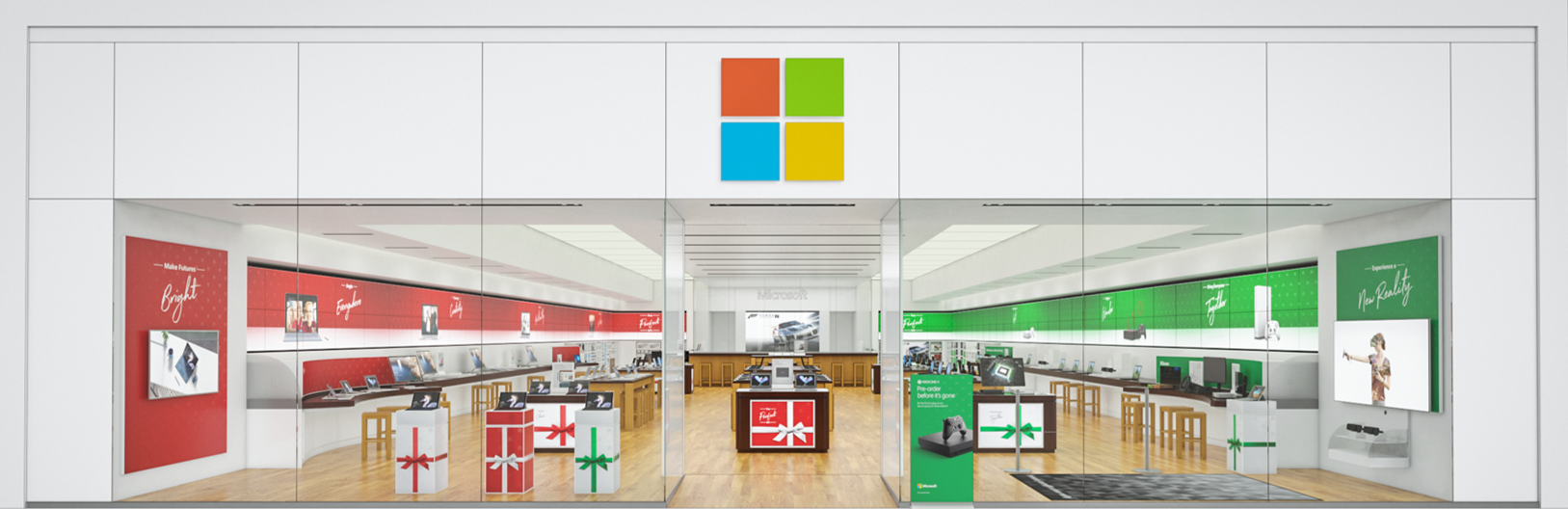
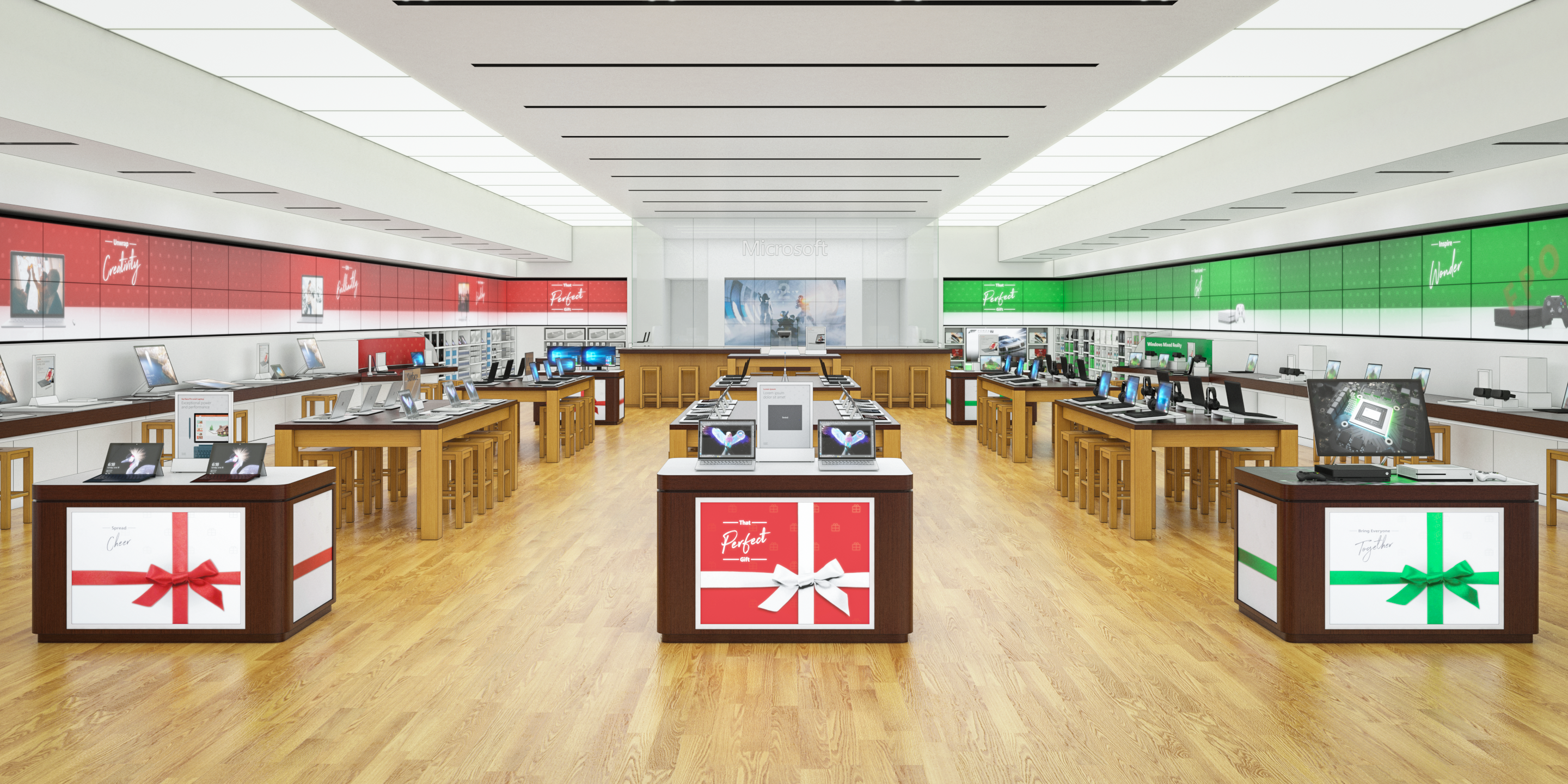
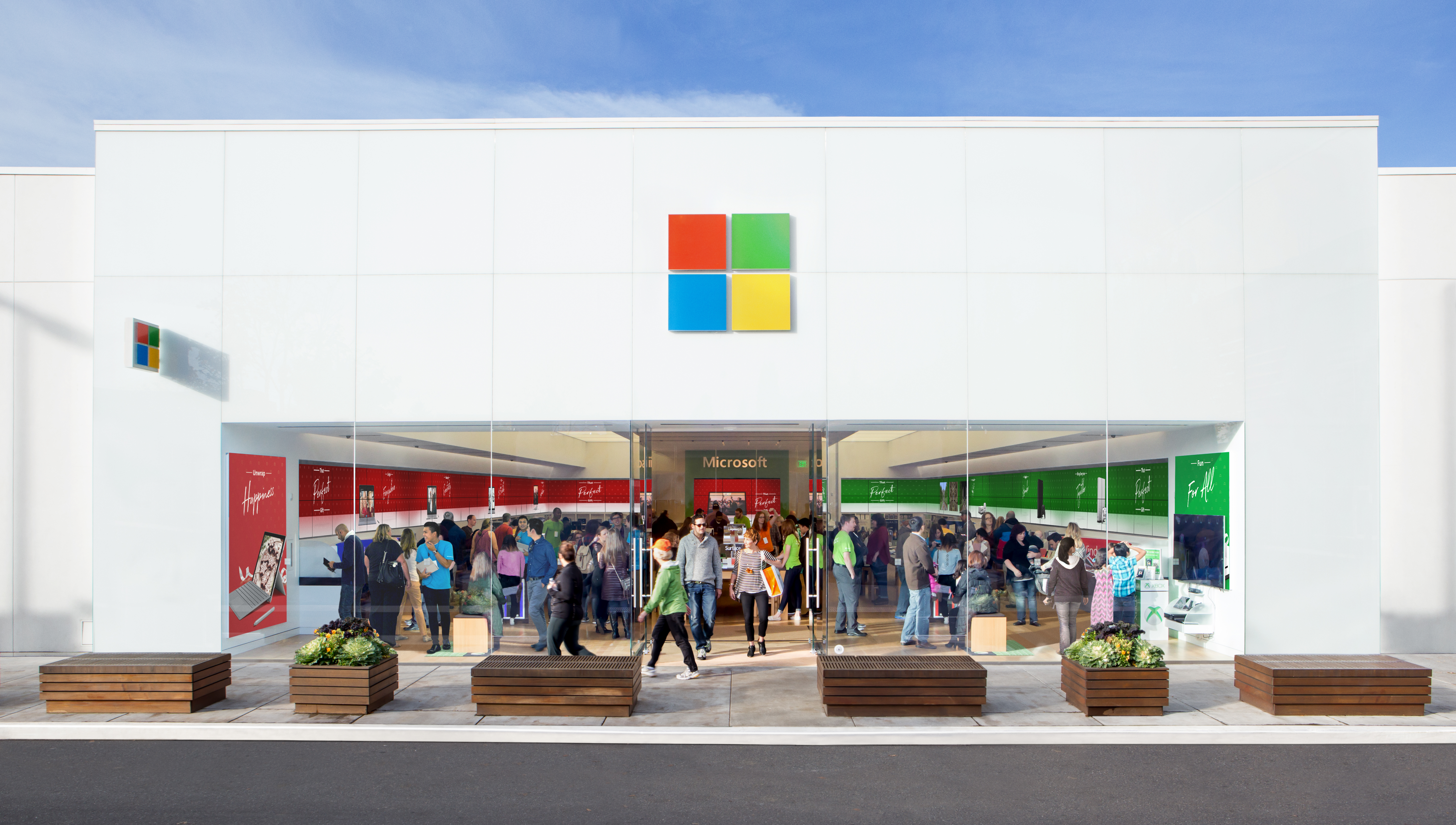
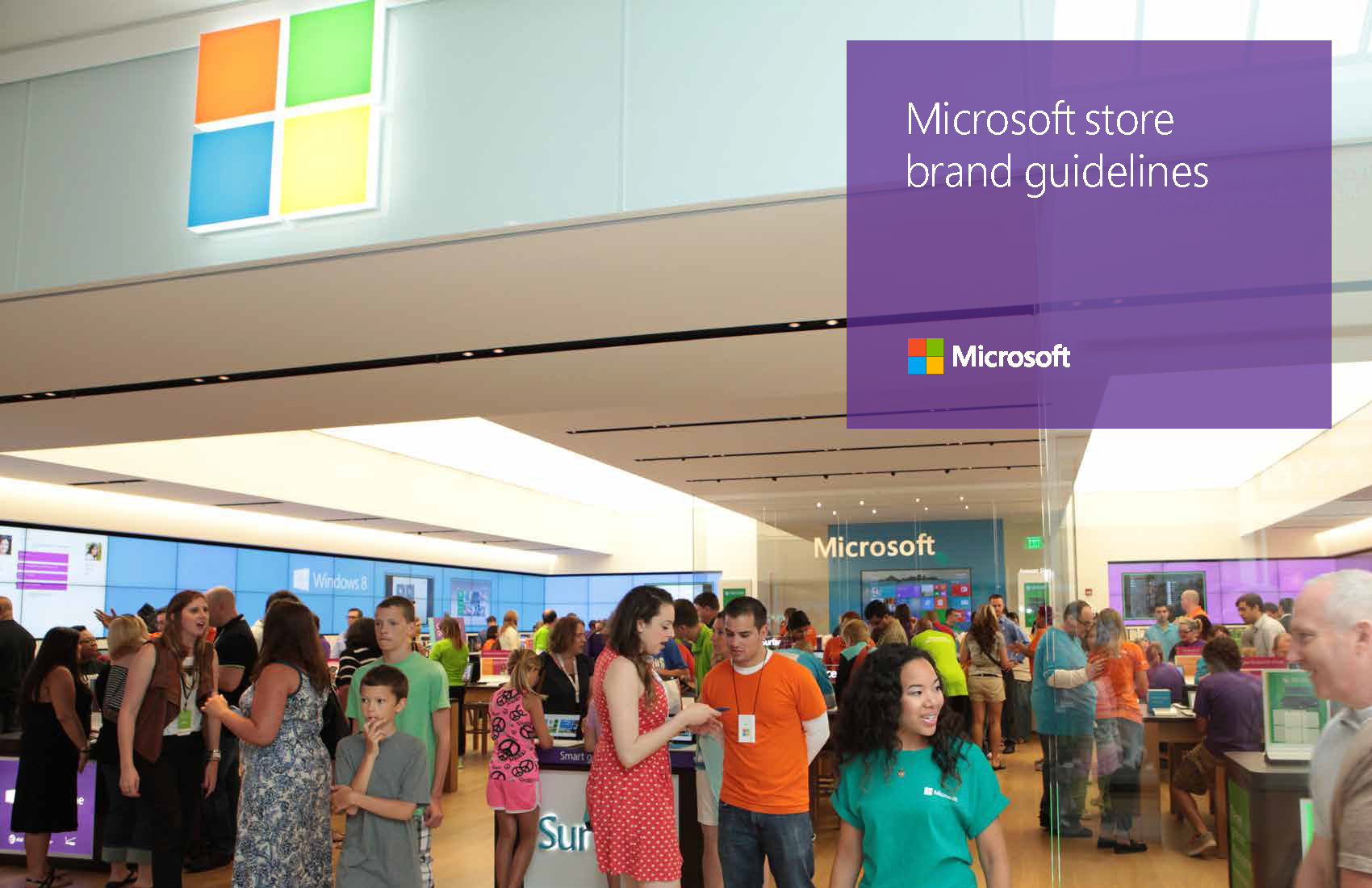
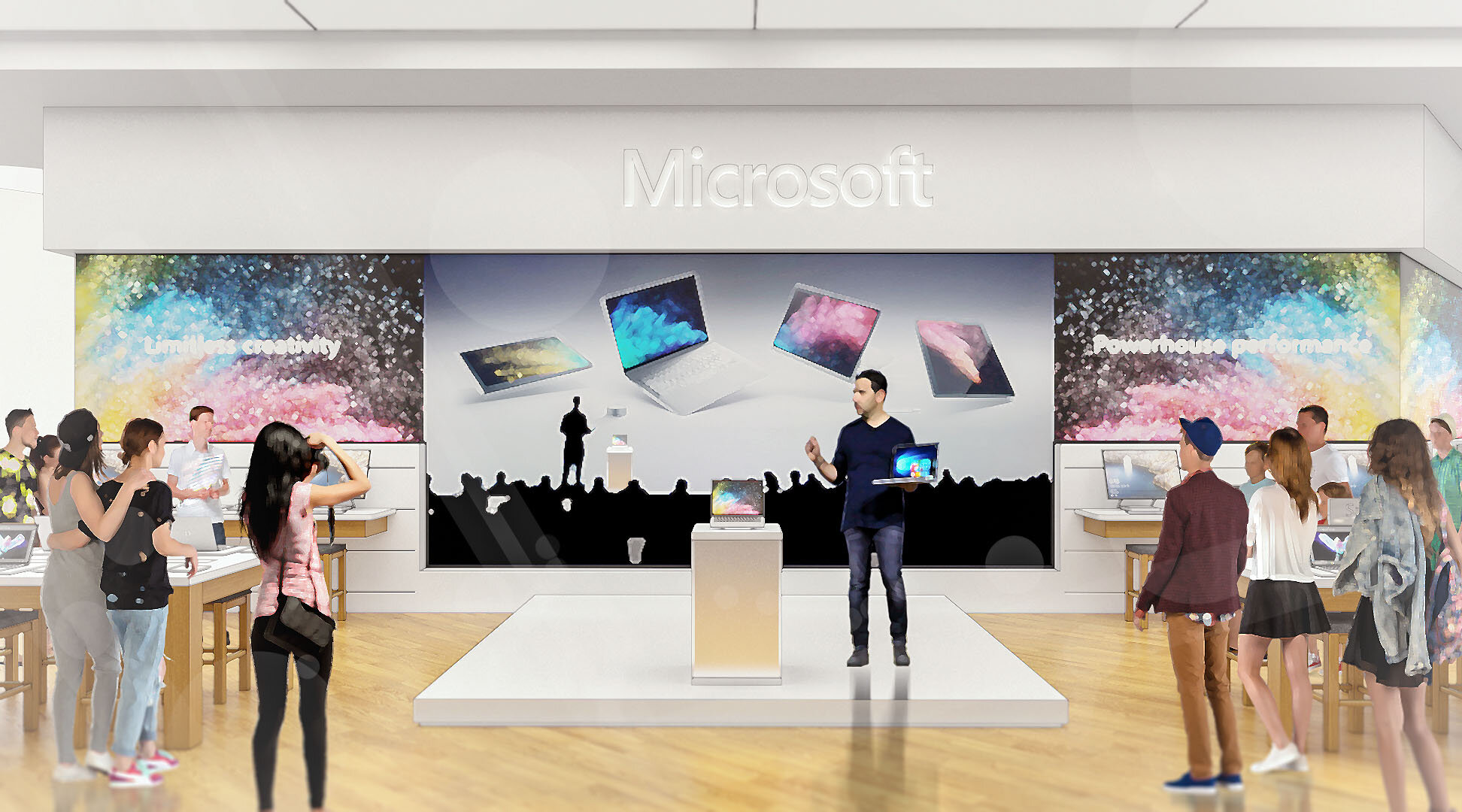
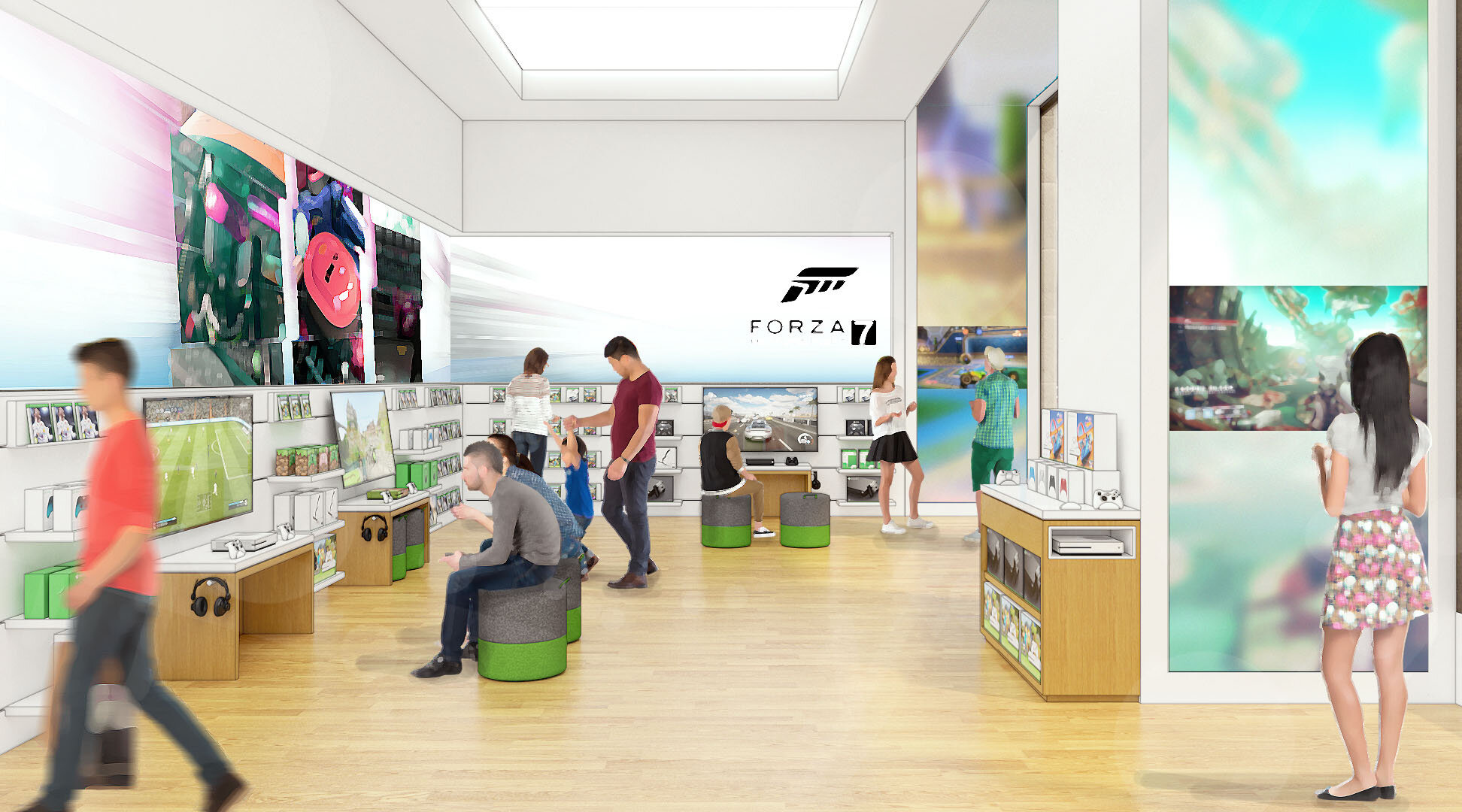
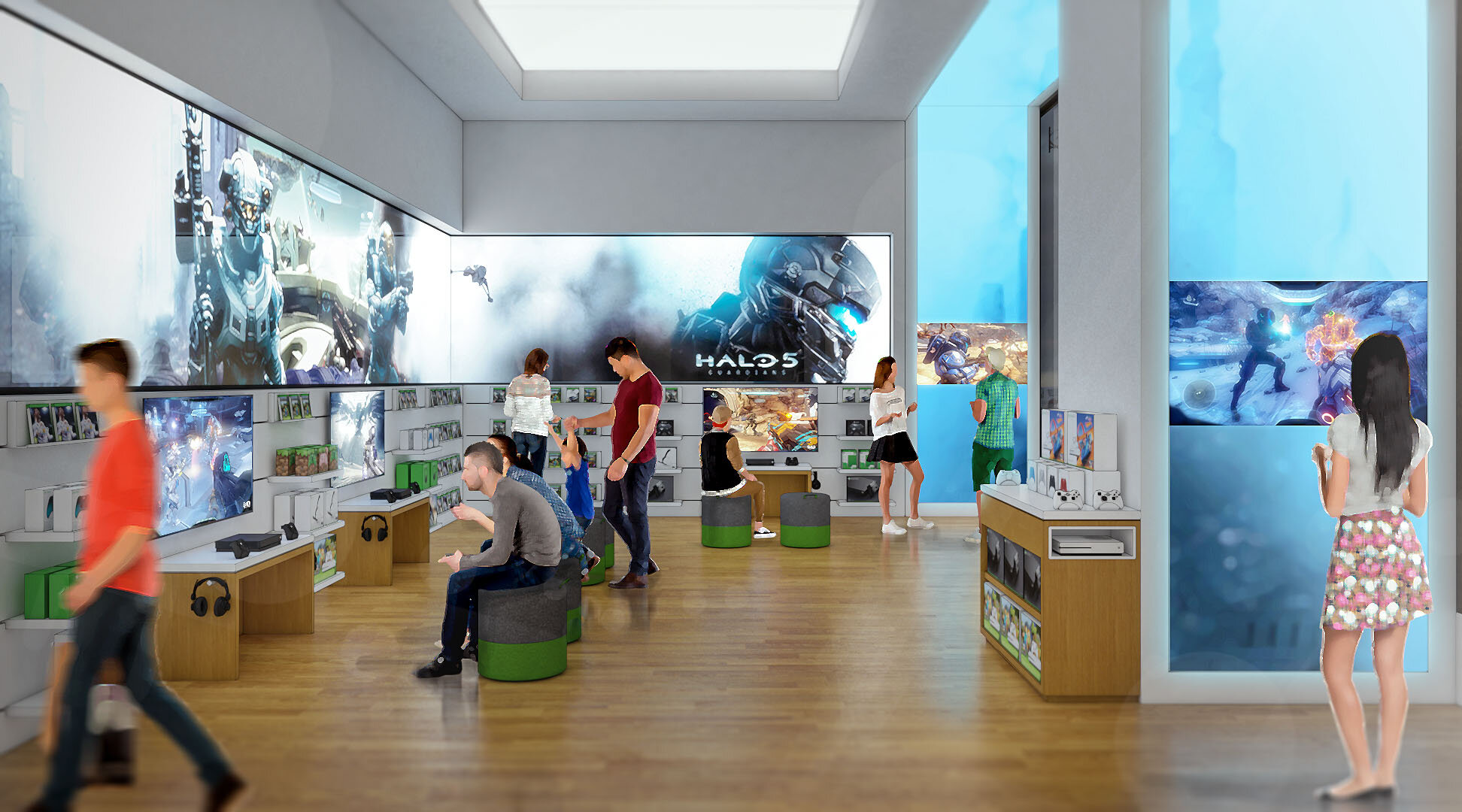
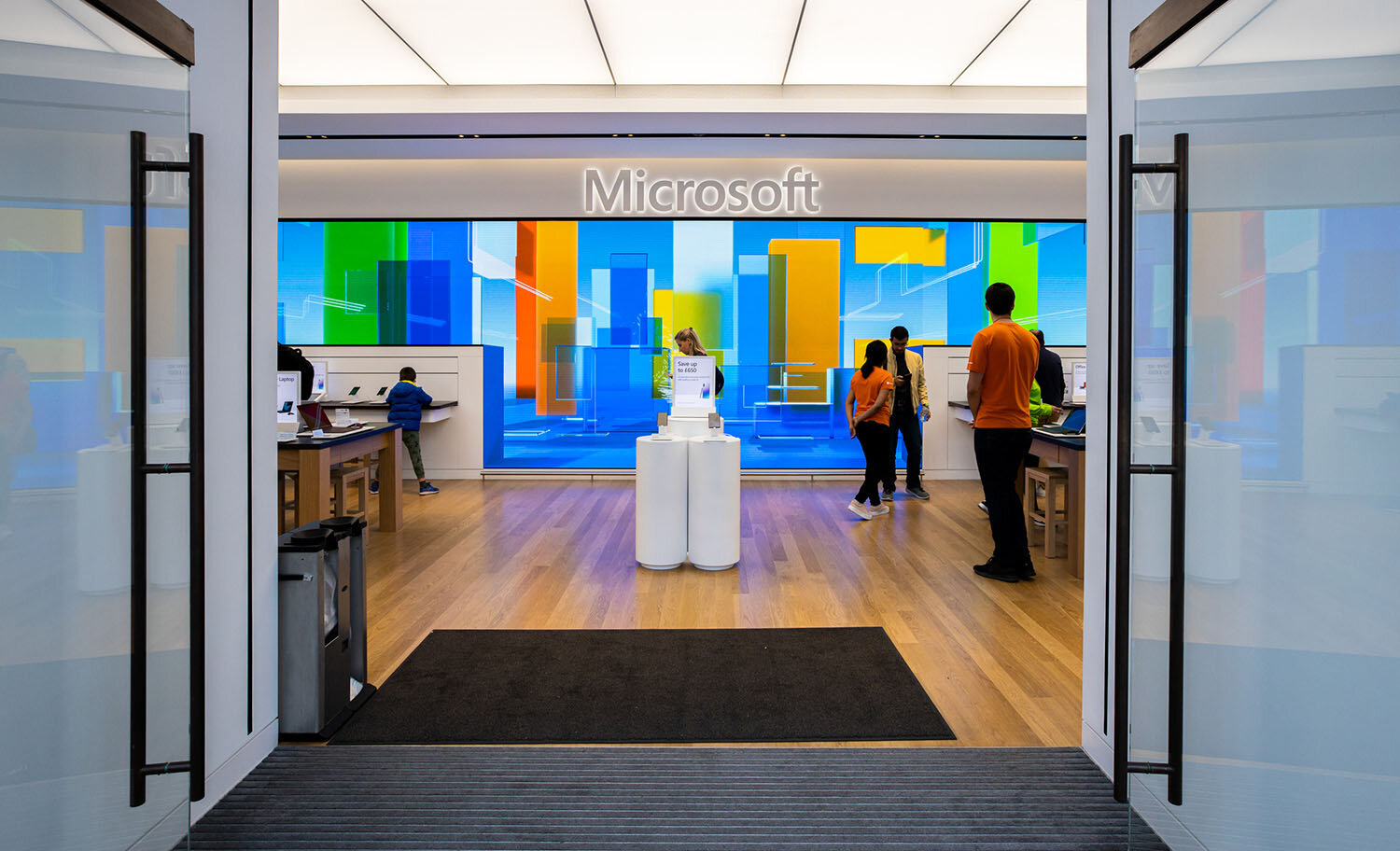
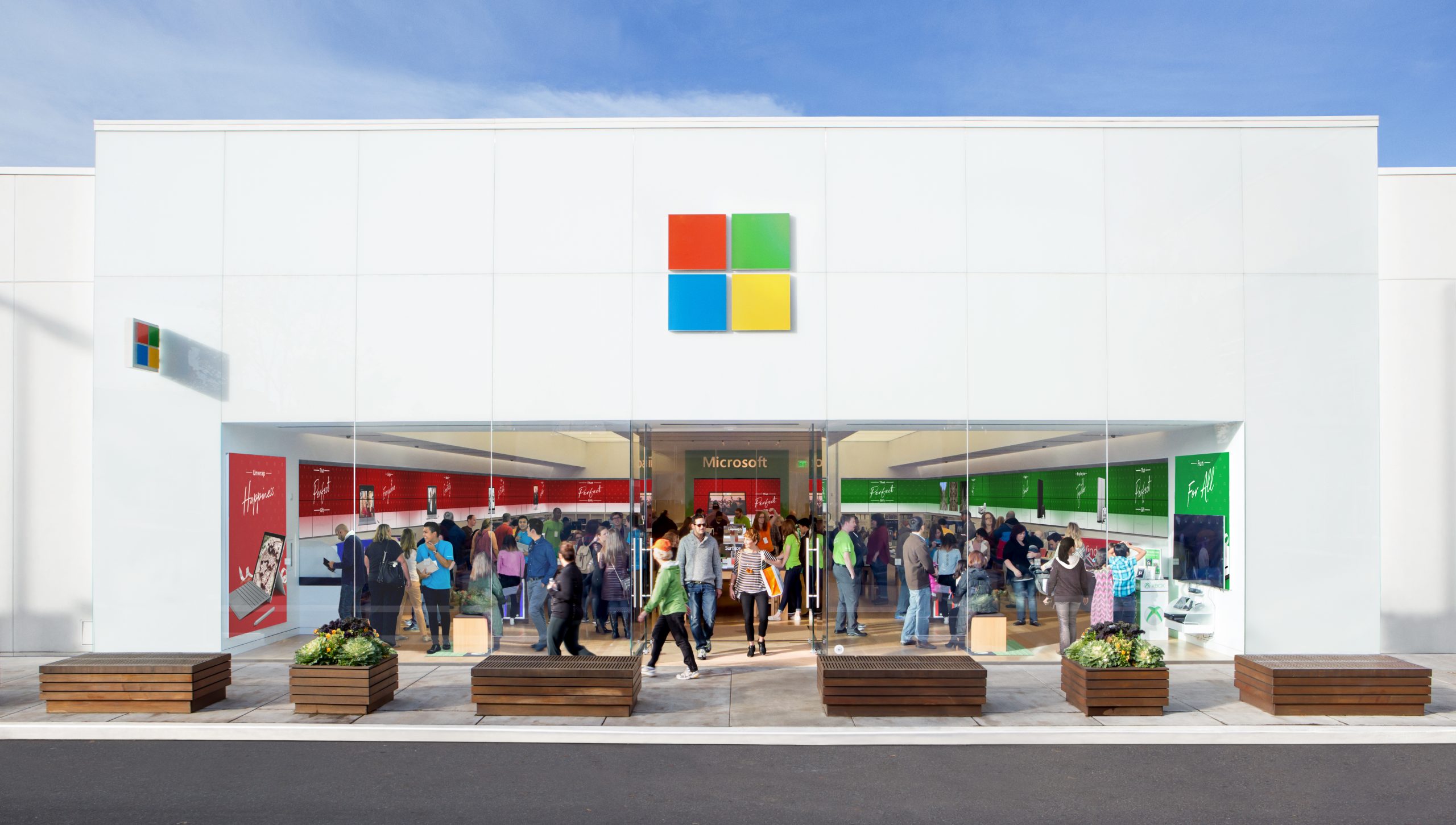
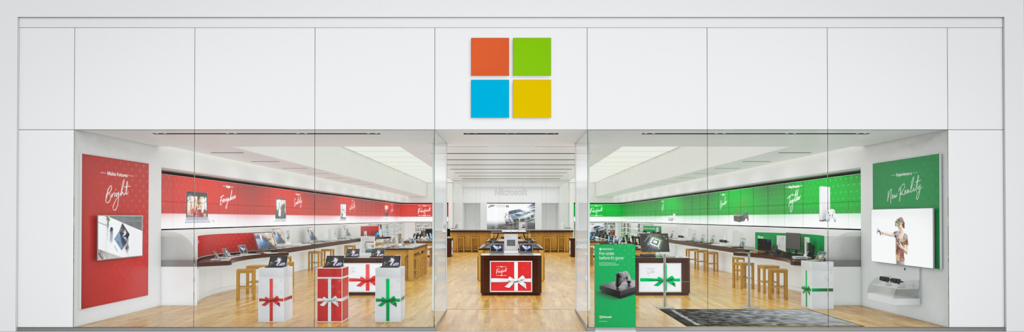
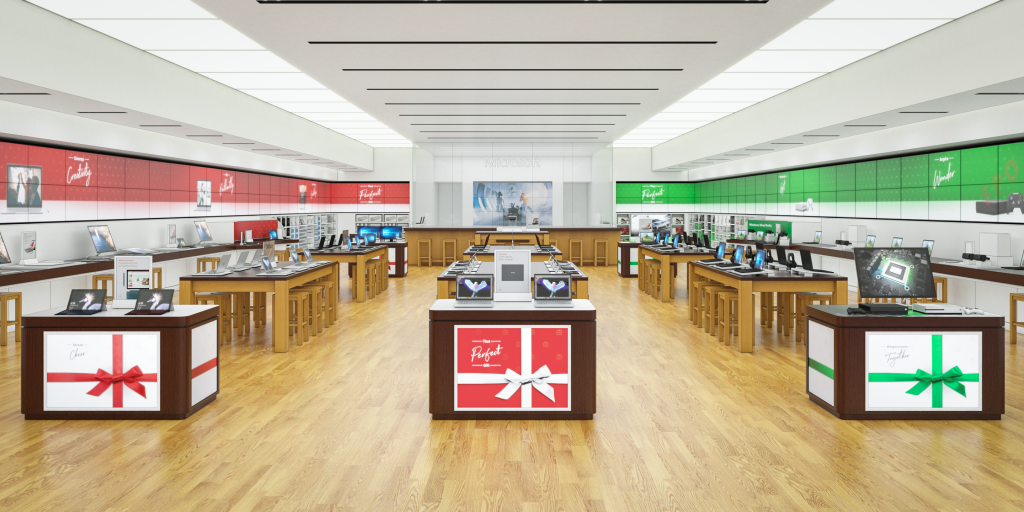
I led creative direction and design strategy across Microsoft Store environments—bringing architecture, interiors, fixtures, digital experiences, merchandising, and customer journeys together as one coherent global retail system.
Scope

Creative direction · Architecture · Spatial experience · Retail systems

Mandate

Translate the Microsoft brand into physical spaces that made technology approachable, useful, and human.
Complexity

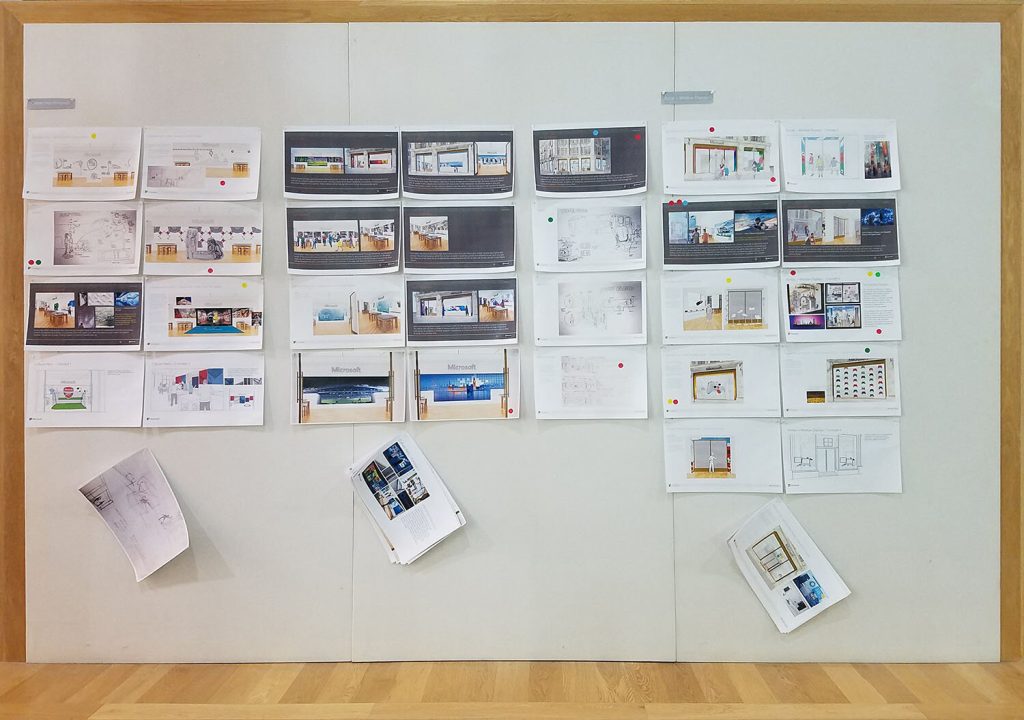
Multiple store formats, global markets, evolving products, specialist partners, and interconnected physical and digital touchpoints.
How I made the brand work in space

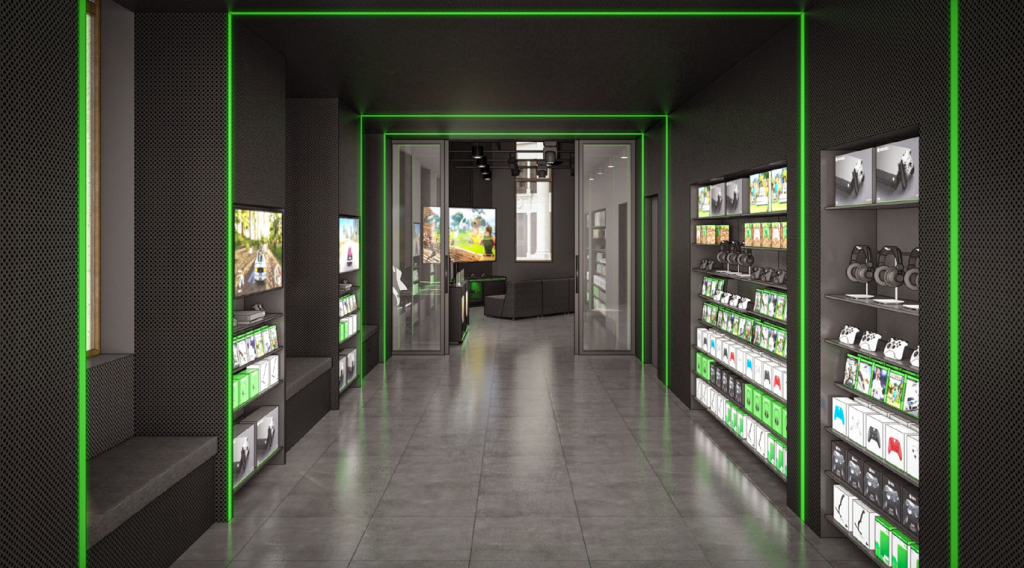
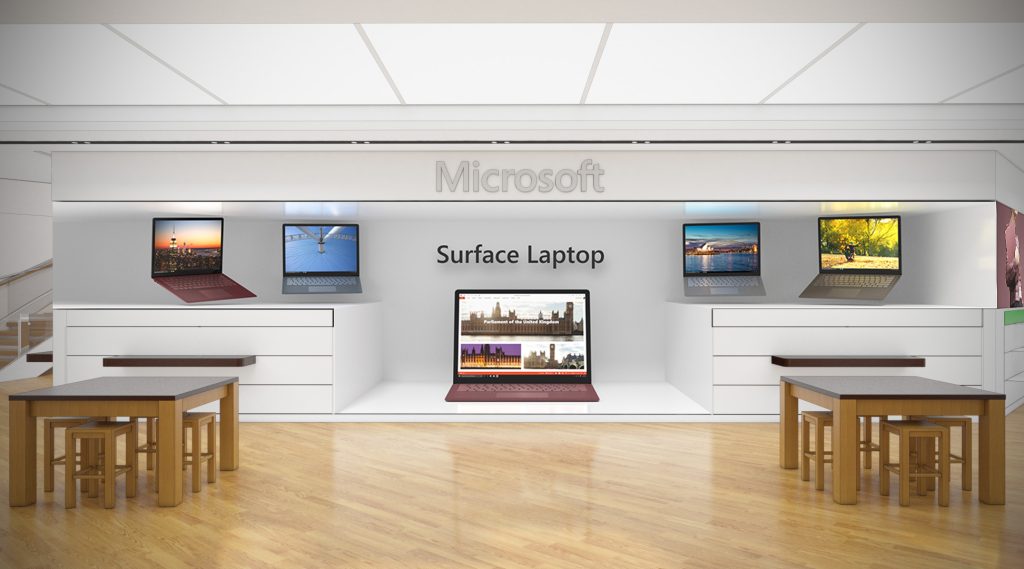
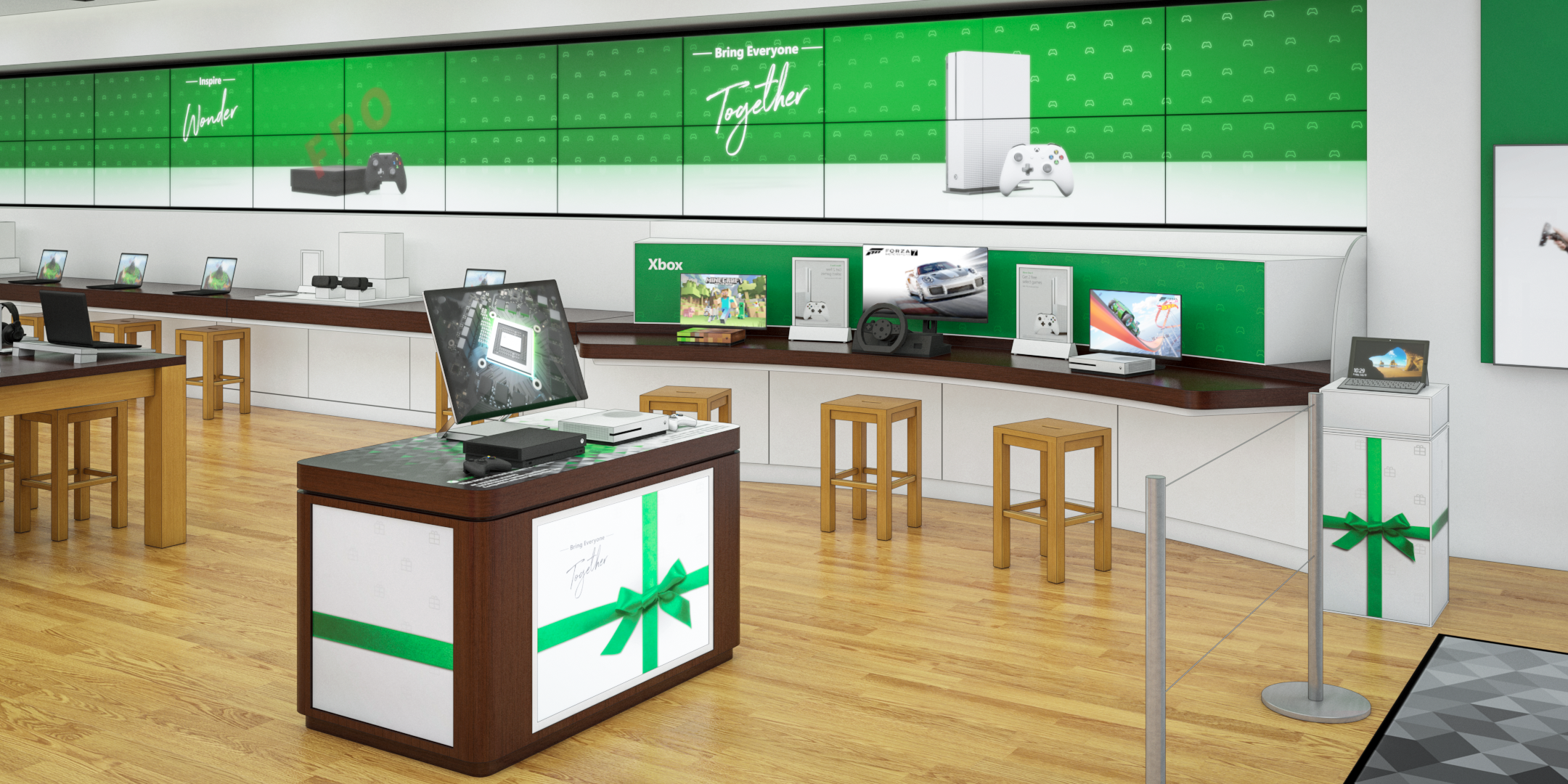
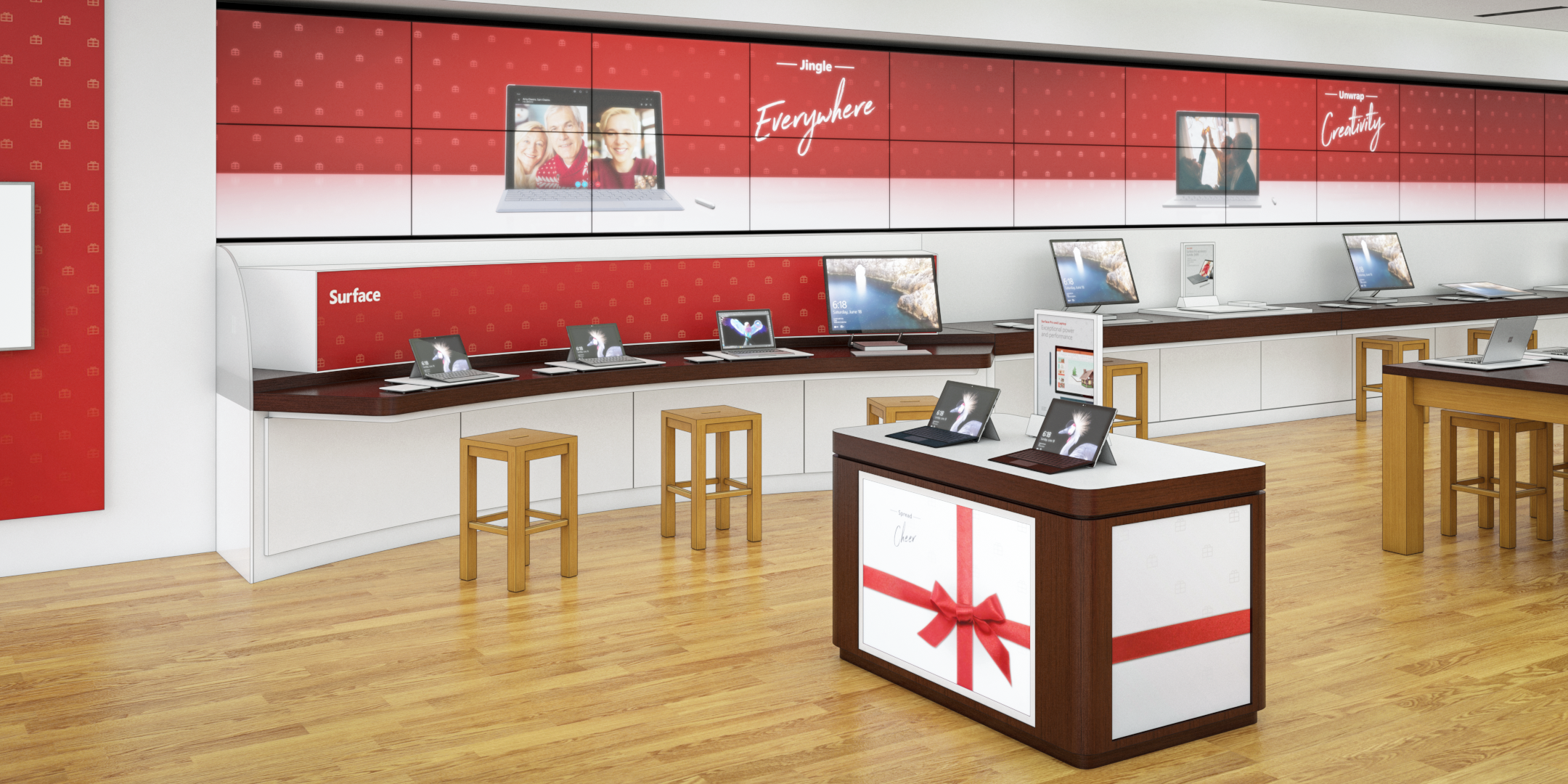
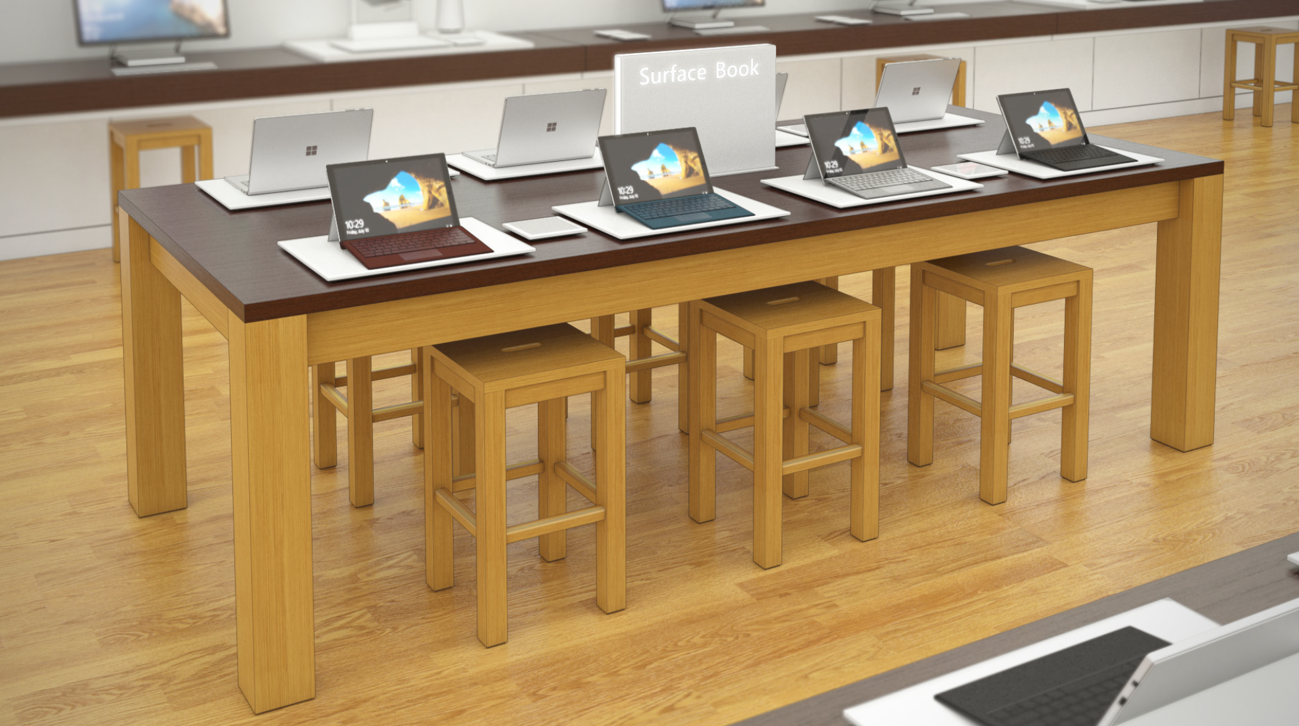
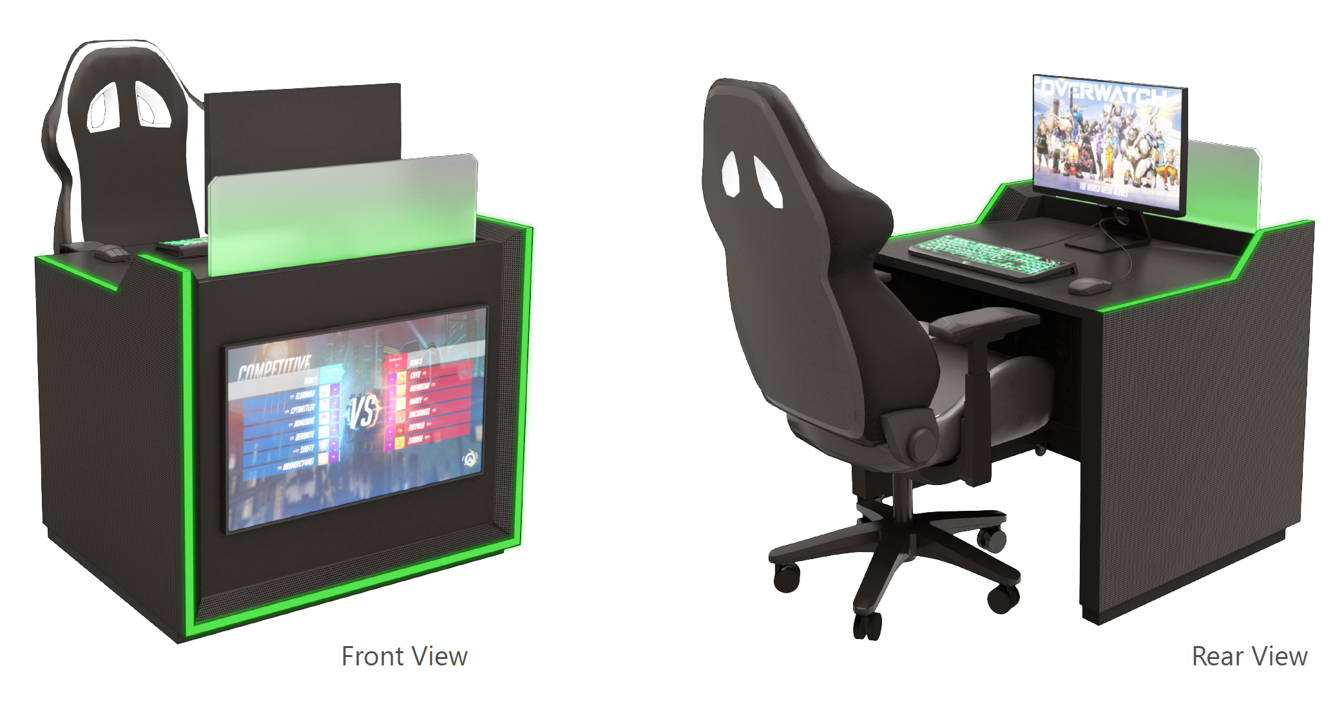
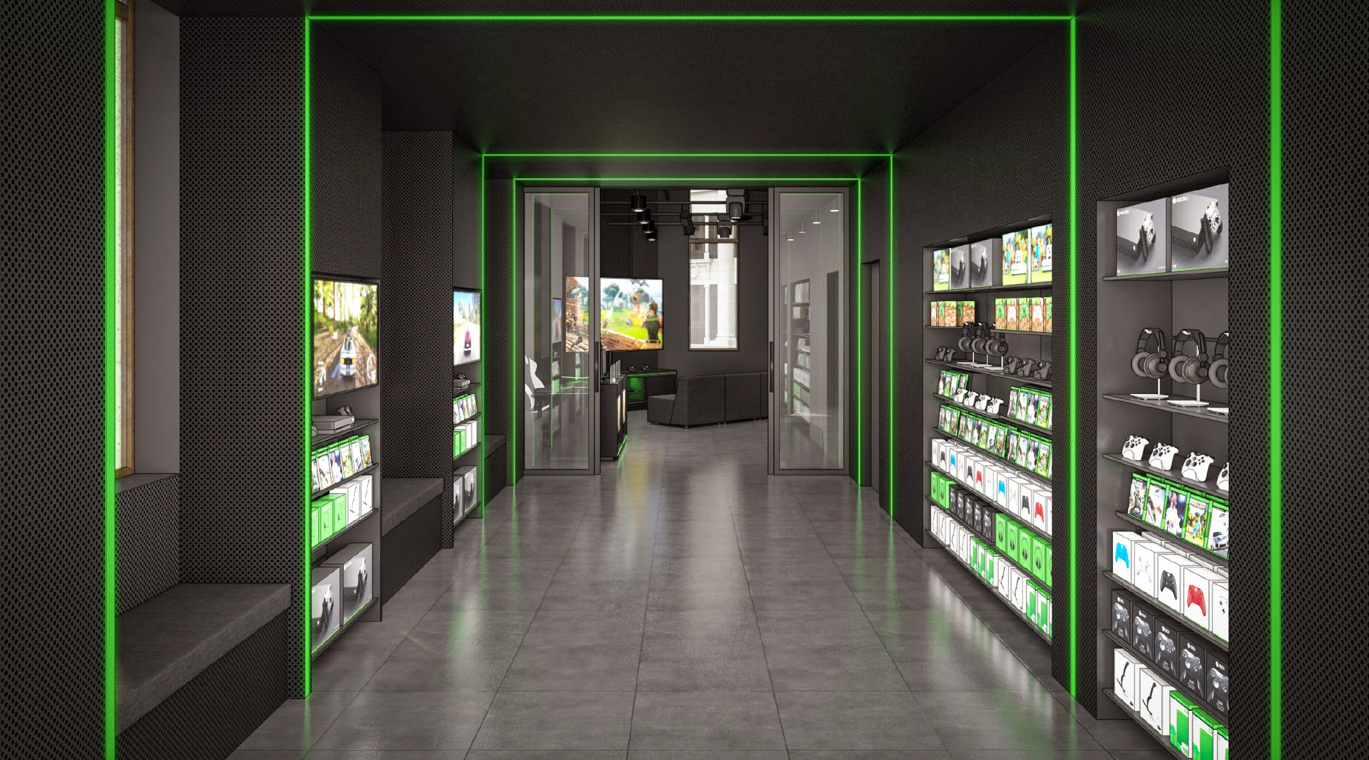
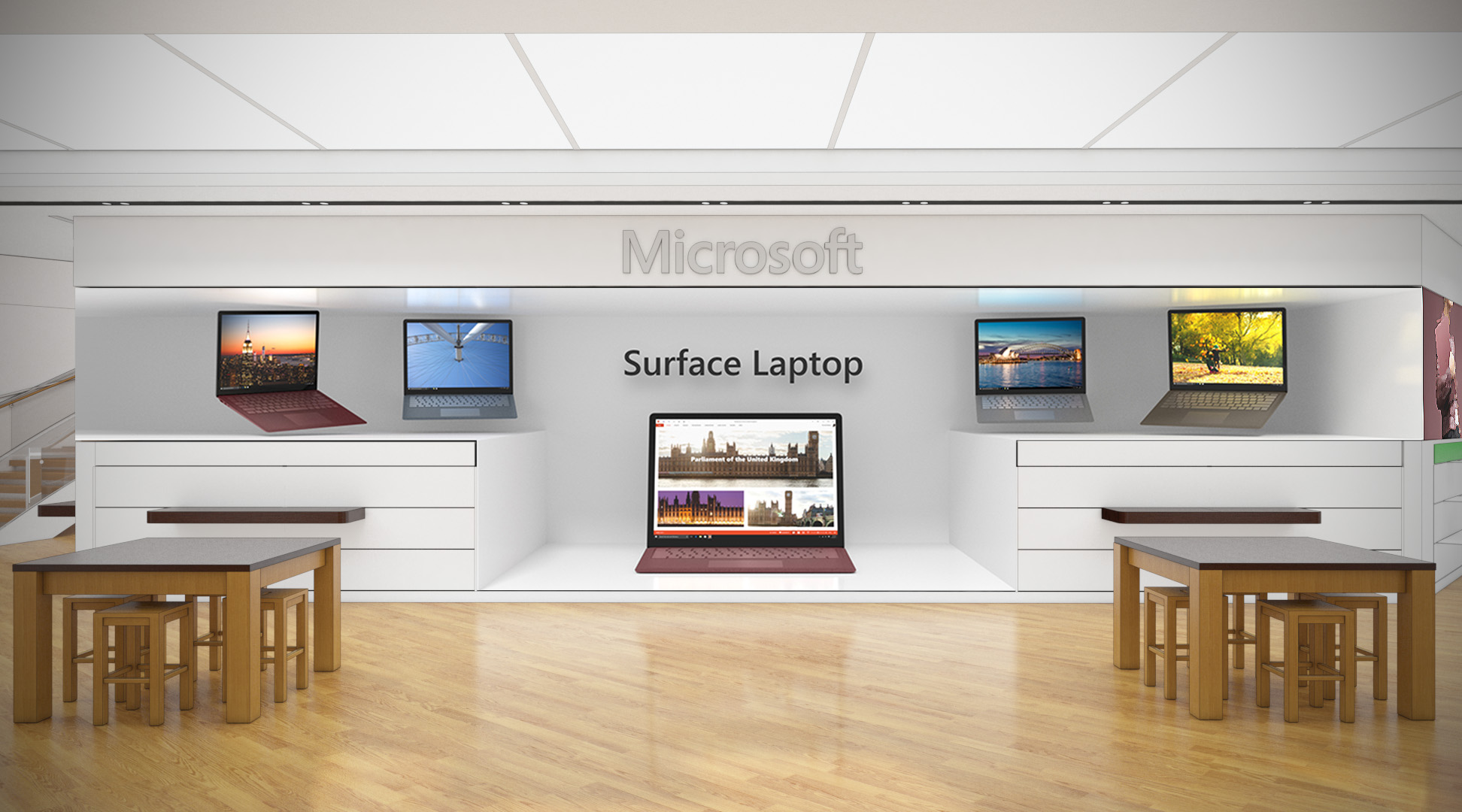
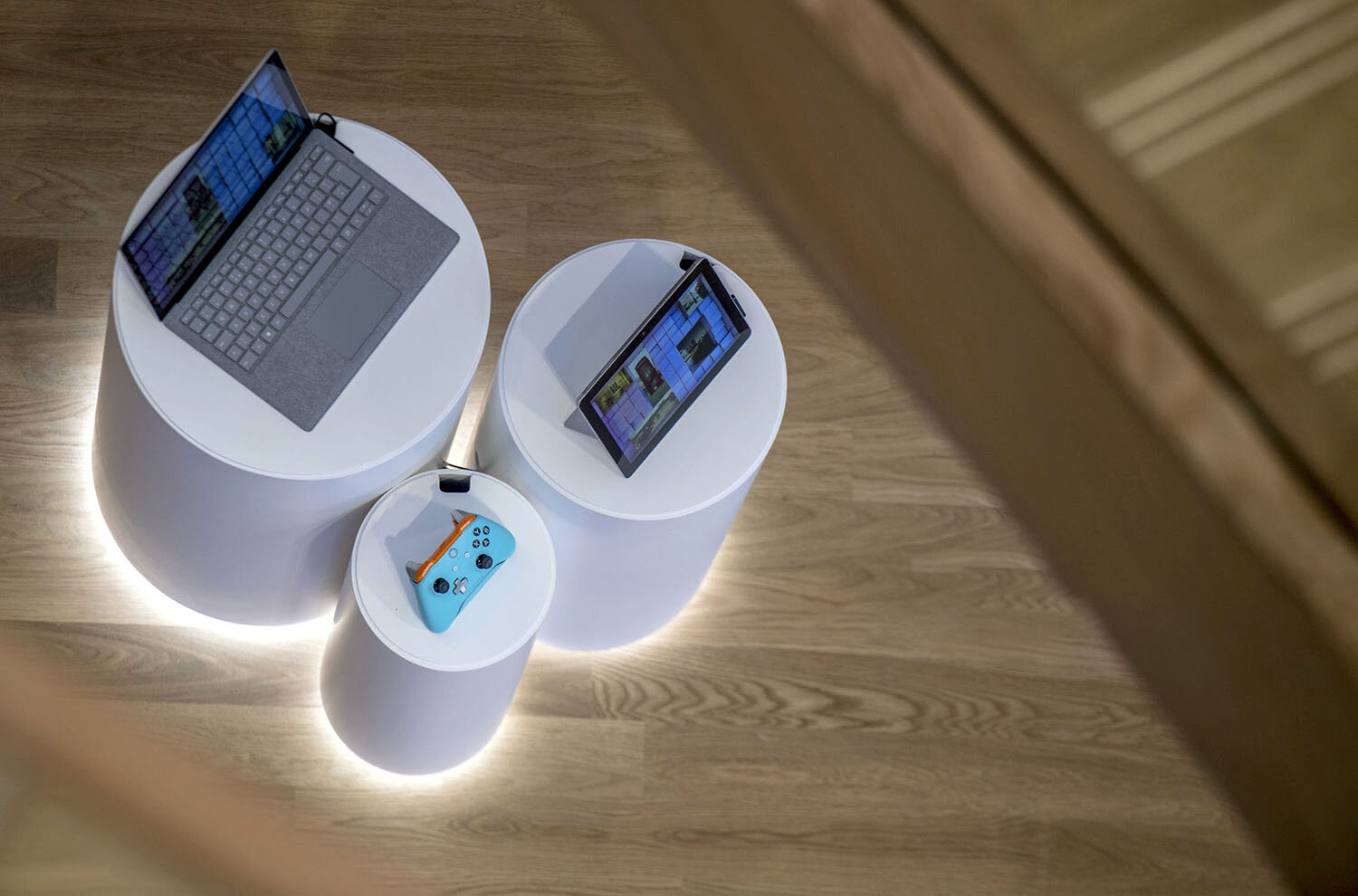
The work required more than designing attractive stores. We built an experience system that connected brand, product, service, technology, and operations across every format—from pop-ups and full-line stores to international flagships.

Design the whole journey

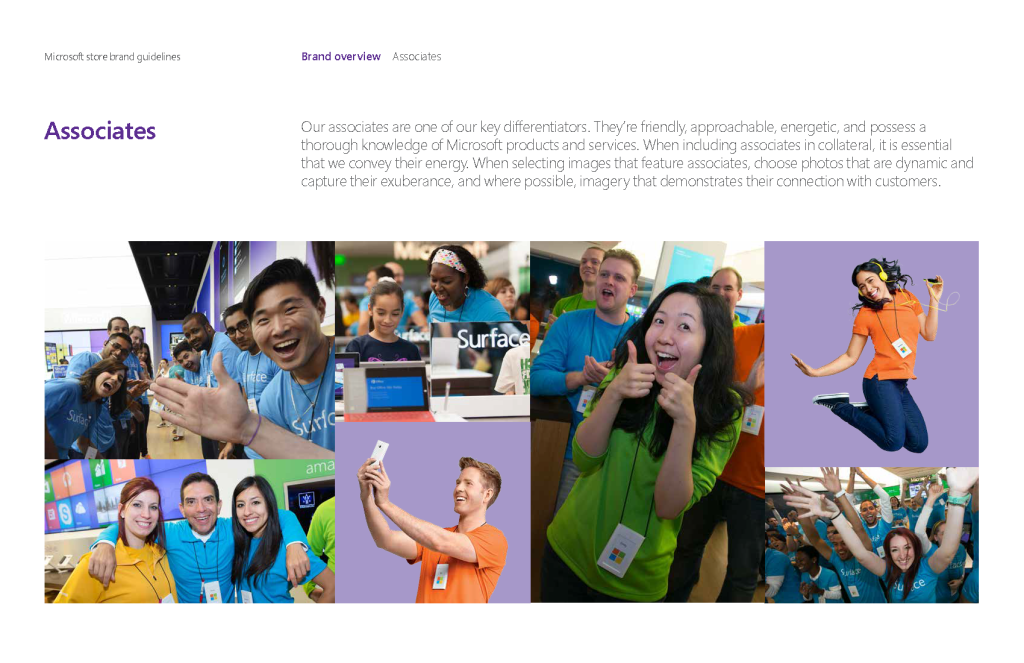
Shape arrival, discovery, consultation, purchase, service, learning, and community as one connected experience.

Connect physical and digital

Integrate architecture, fixtures, screens, applications, merchandising, and associate tools instead of treating them as separate layers.

Scale through systems

Create principles, guidelines, prototypes, and review tools that preserved intent across markets and store formats.

A global retail system

83

Stores launched worldwide

3

International flagship markets: New York, London and Sydney

4

Store formats shaped: full-line, flagship, pop-up and mega-store

Making the experience tangible before it was built

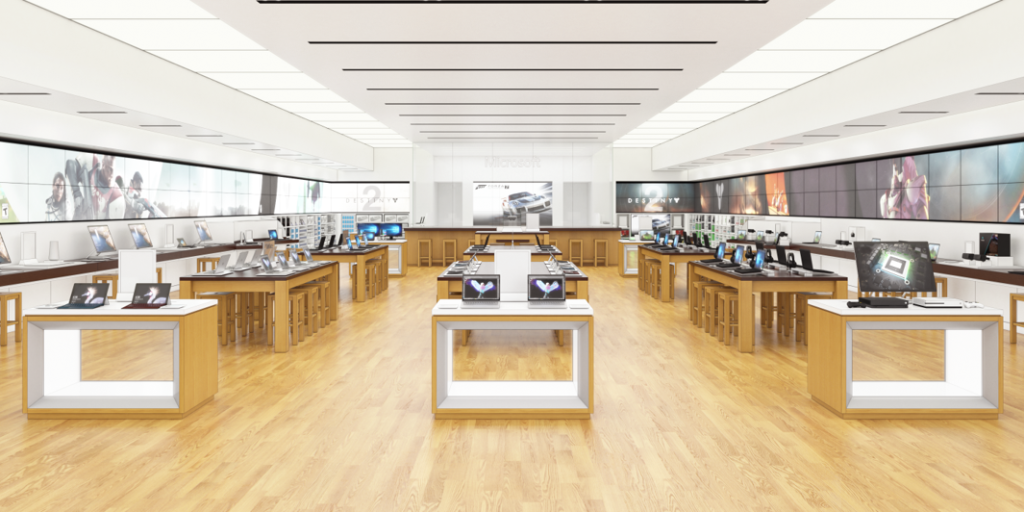
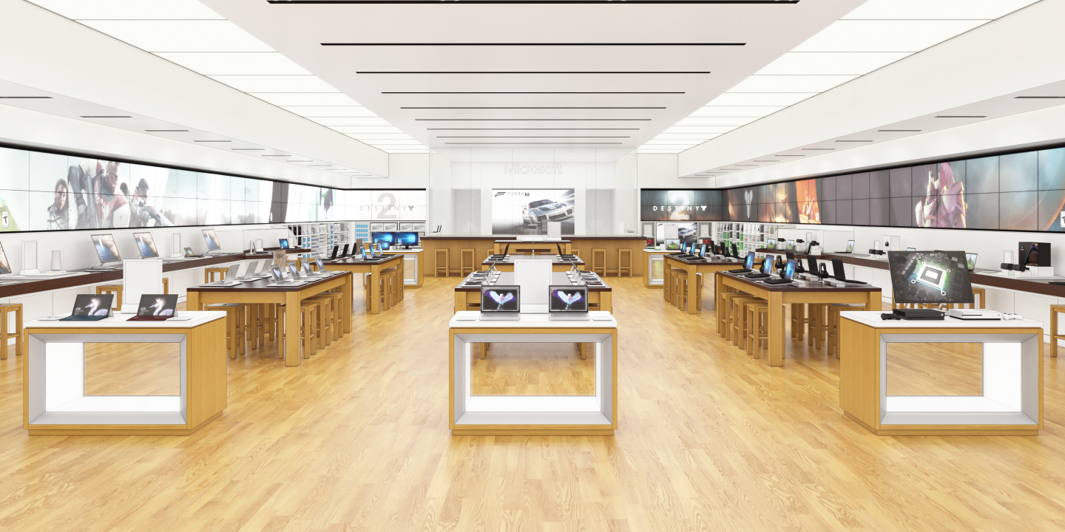
Detailed 3D environments helped teams evaluate architecture, circulation, fixtures, product stories, and digital moments together. The work made ambitious concepts easier to understand, compare, refine, and align around before construction.

Designing the Fifth Avenue flagship before construction

The simulation created an immersive shared view of the New York flagship—helping leaders and design partners experience the scale, architectural character, and customer journey while meaningful decisions could still be made.

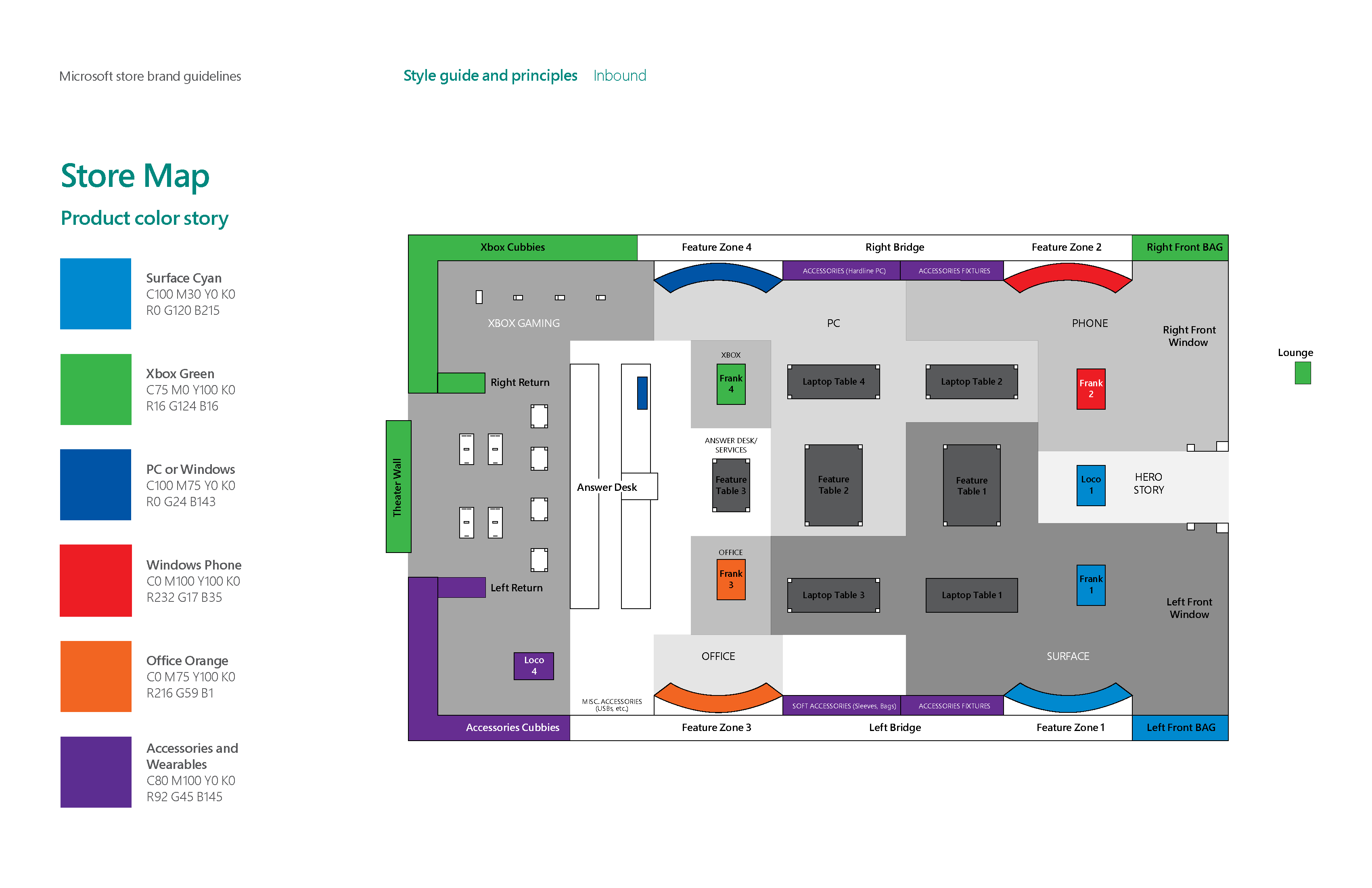
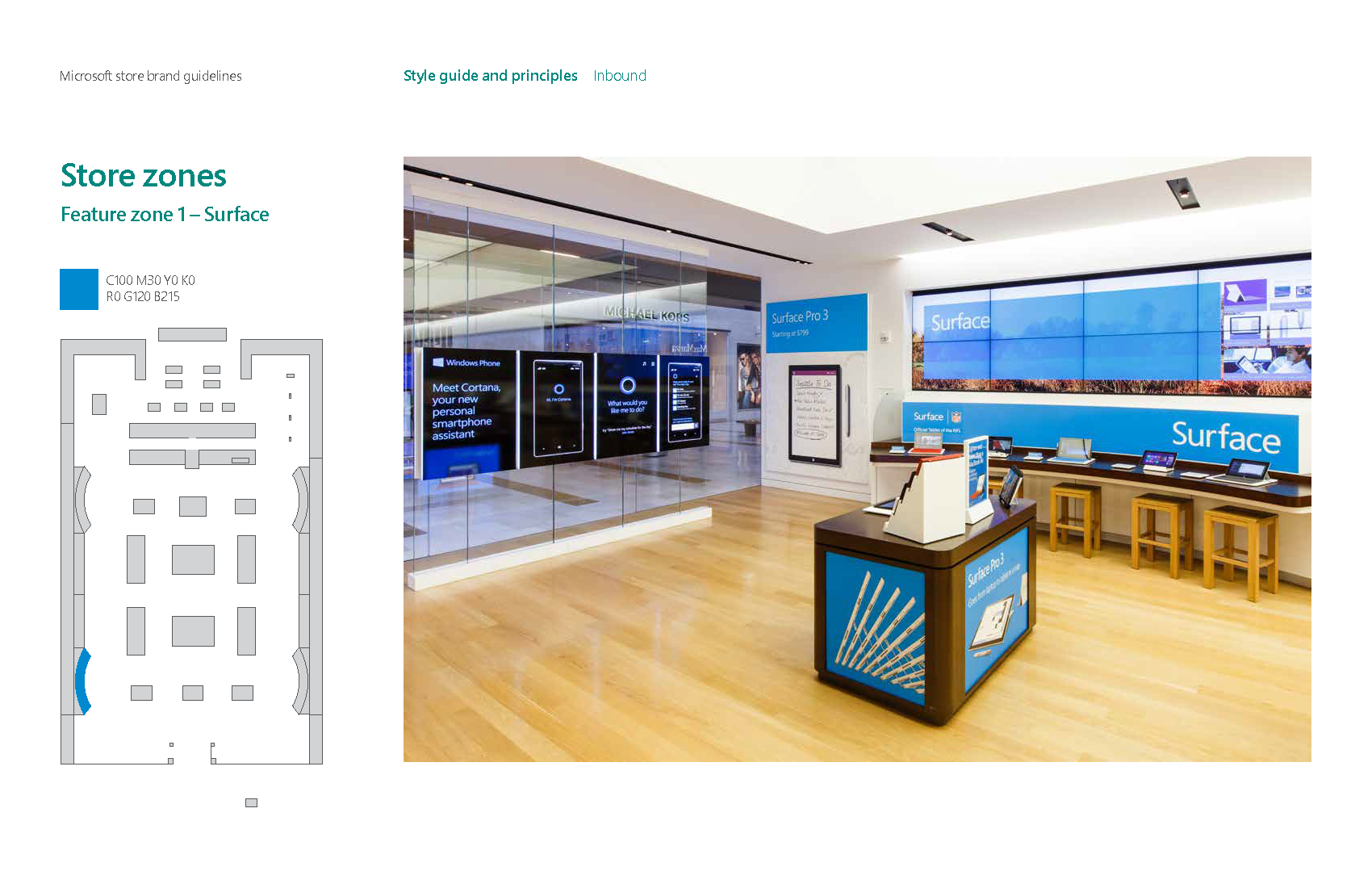
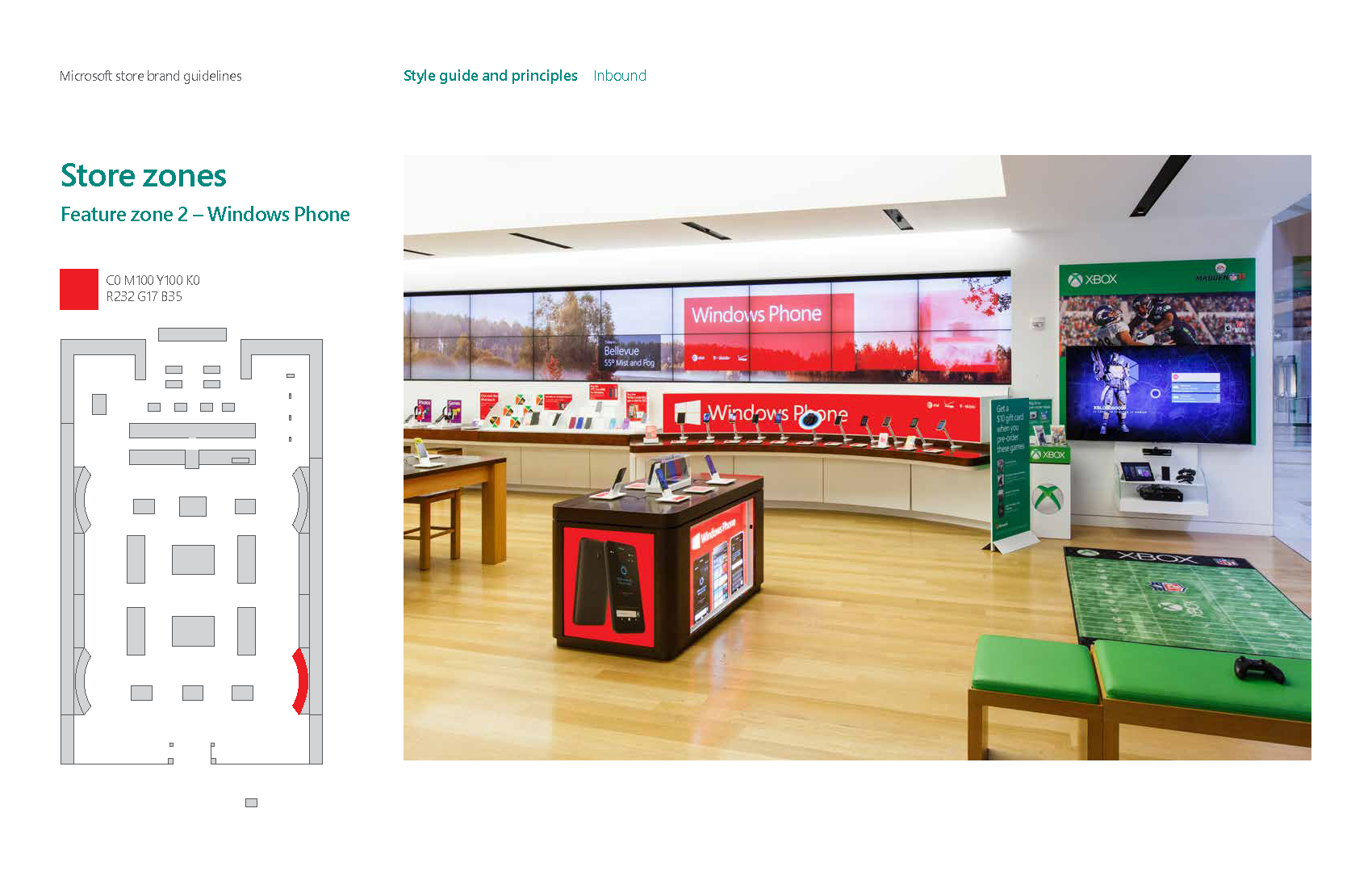
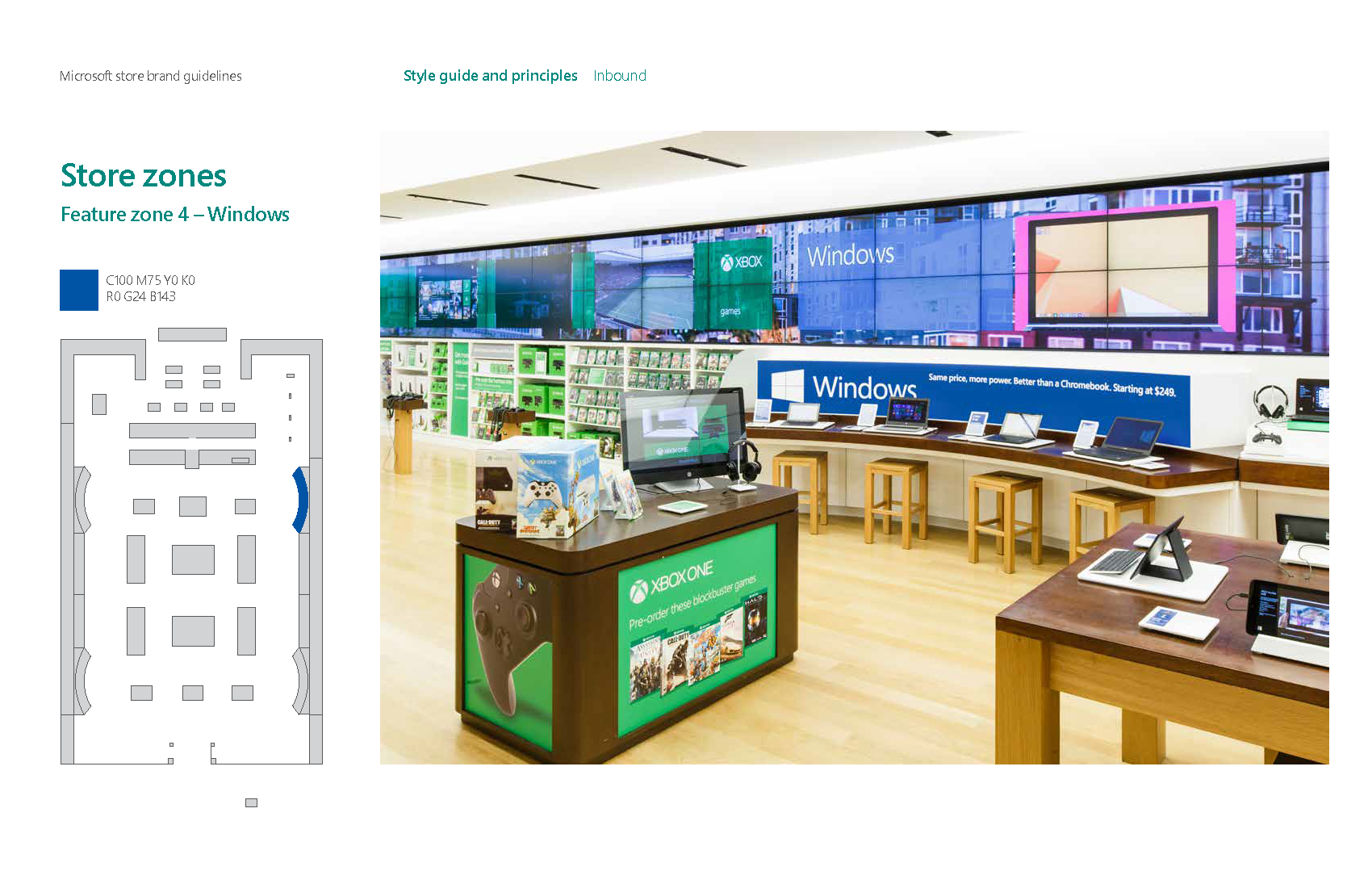
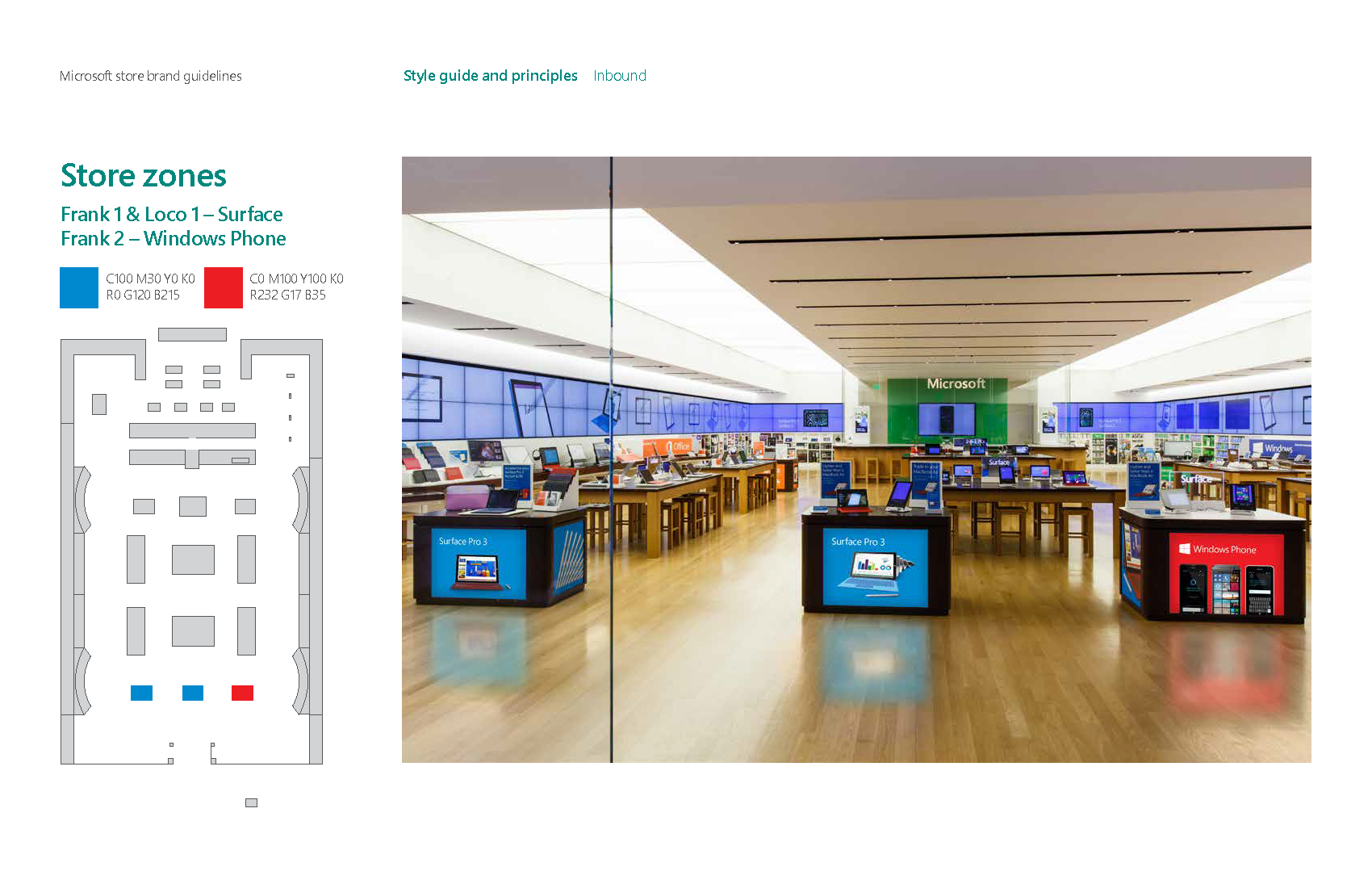
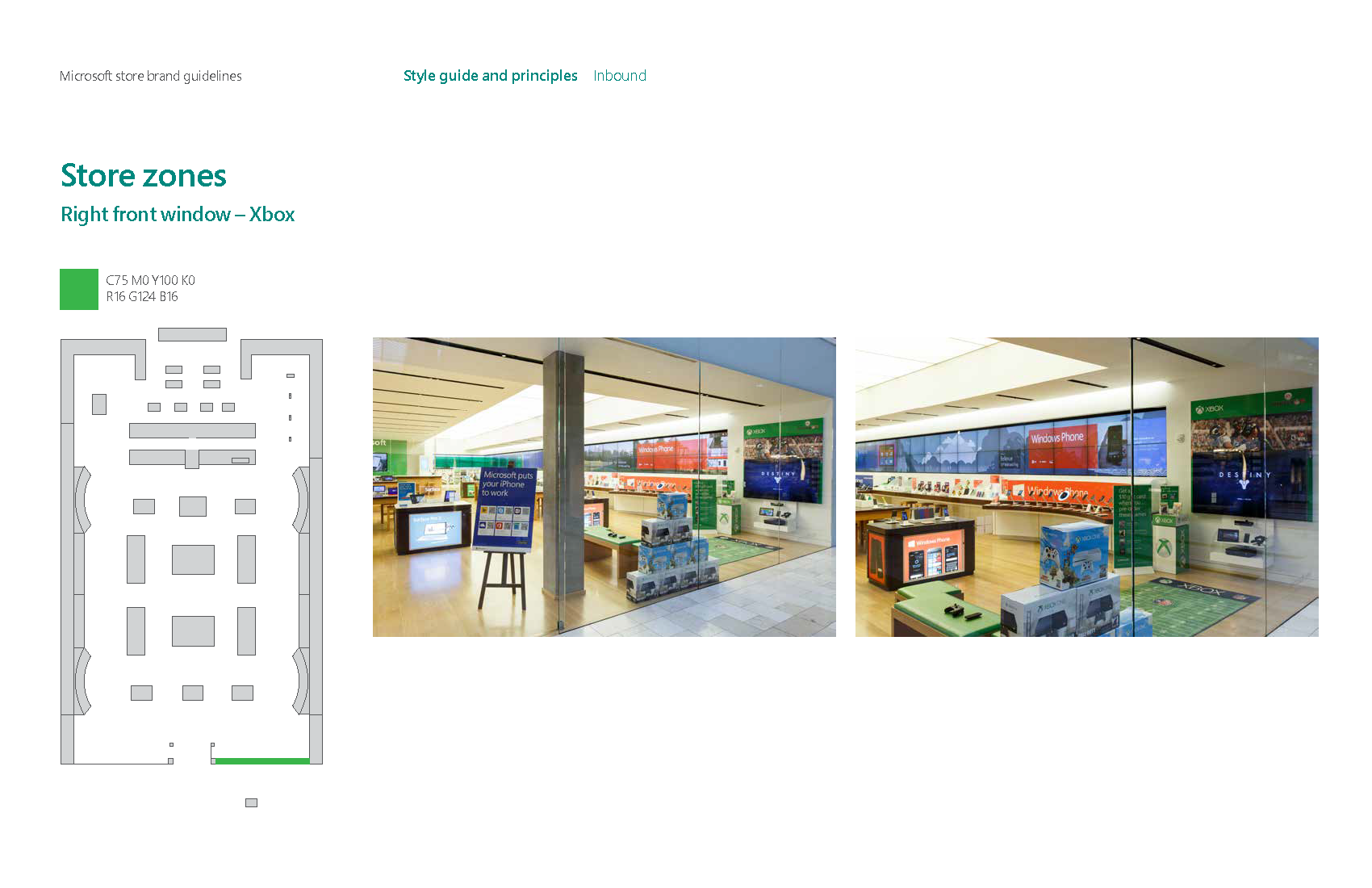
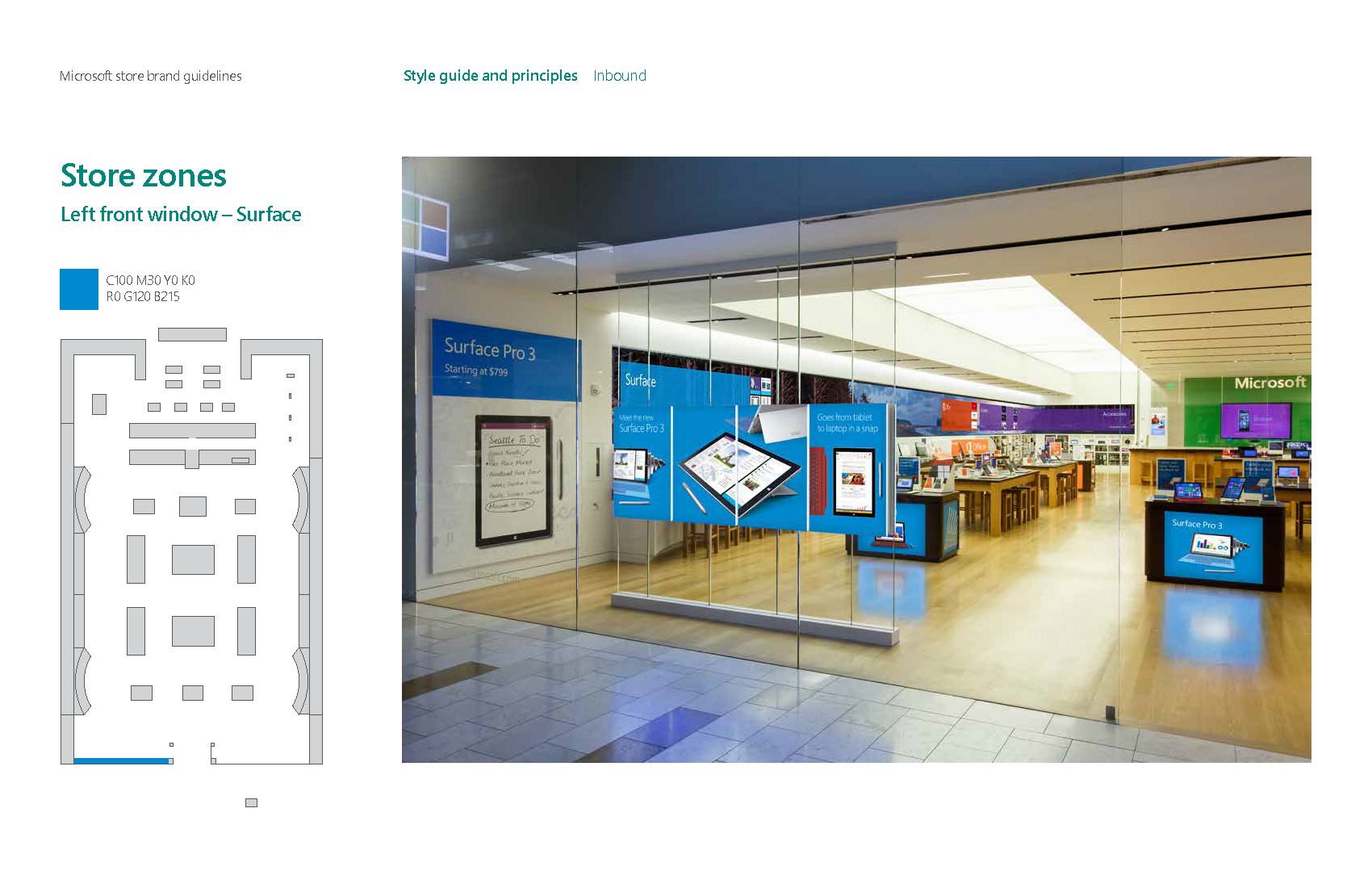
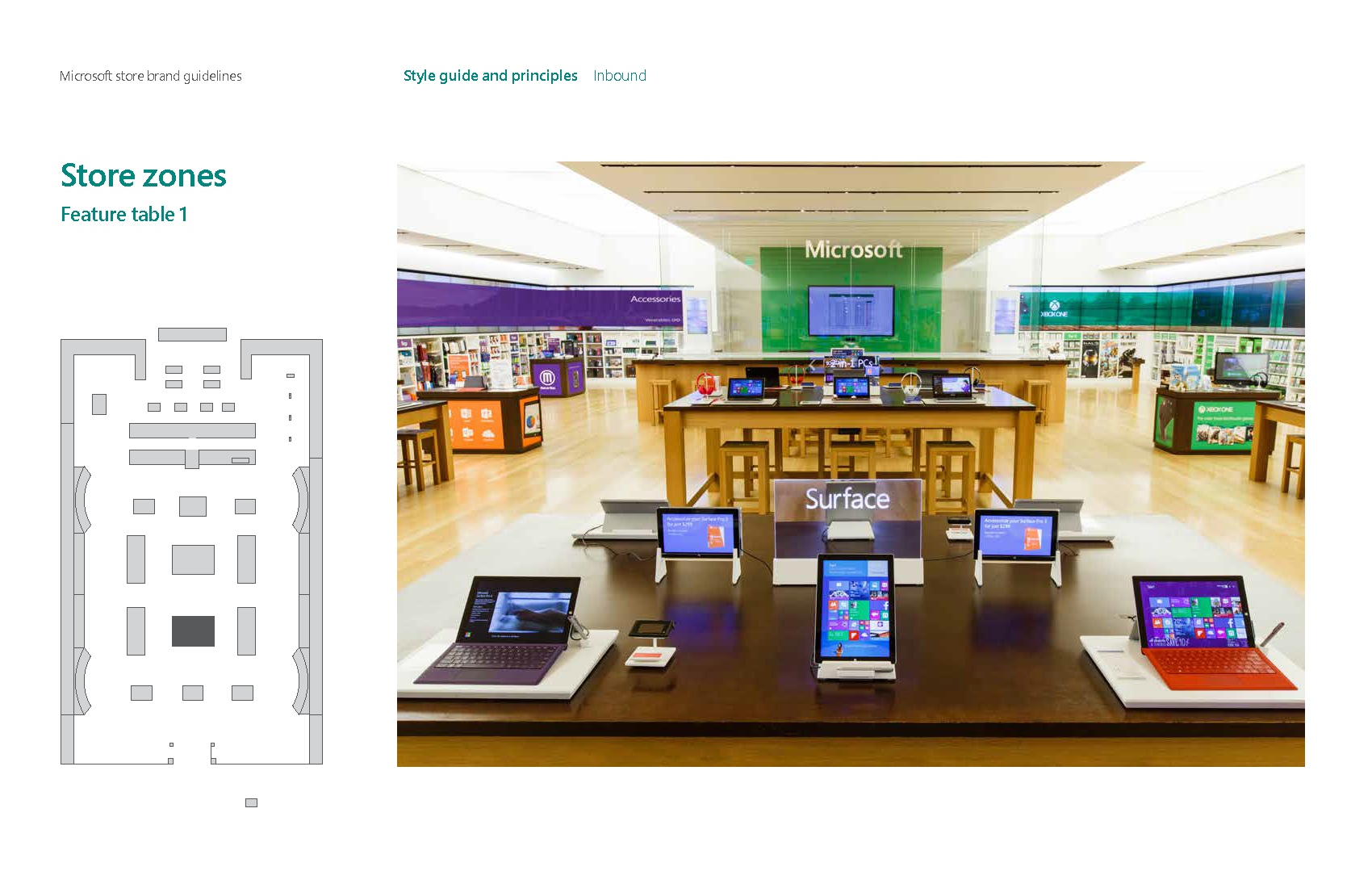
One experience language across every environment

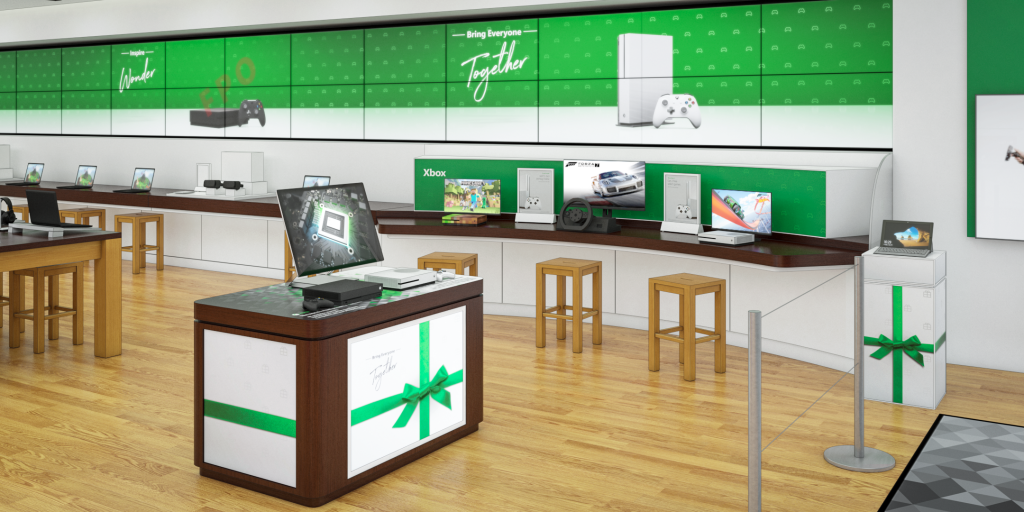
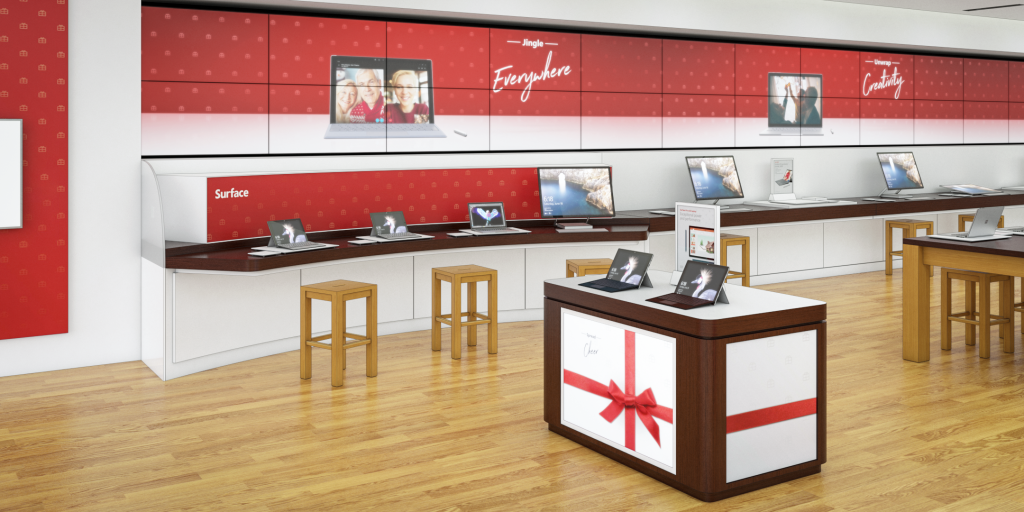
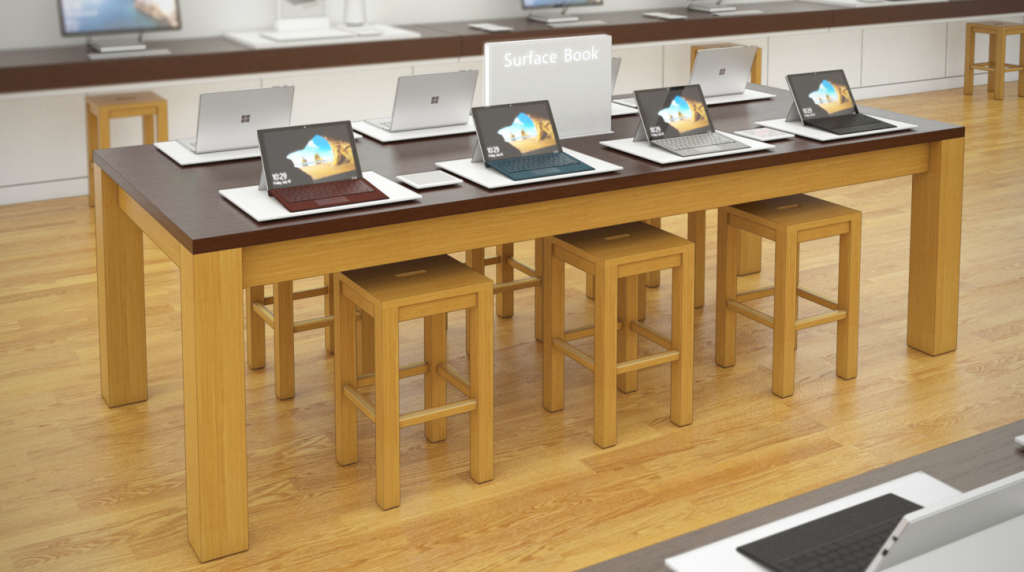
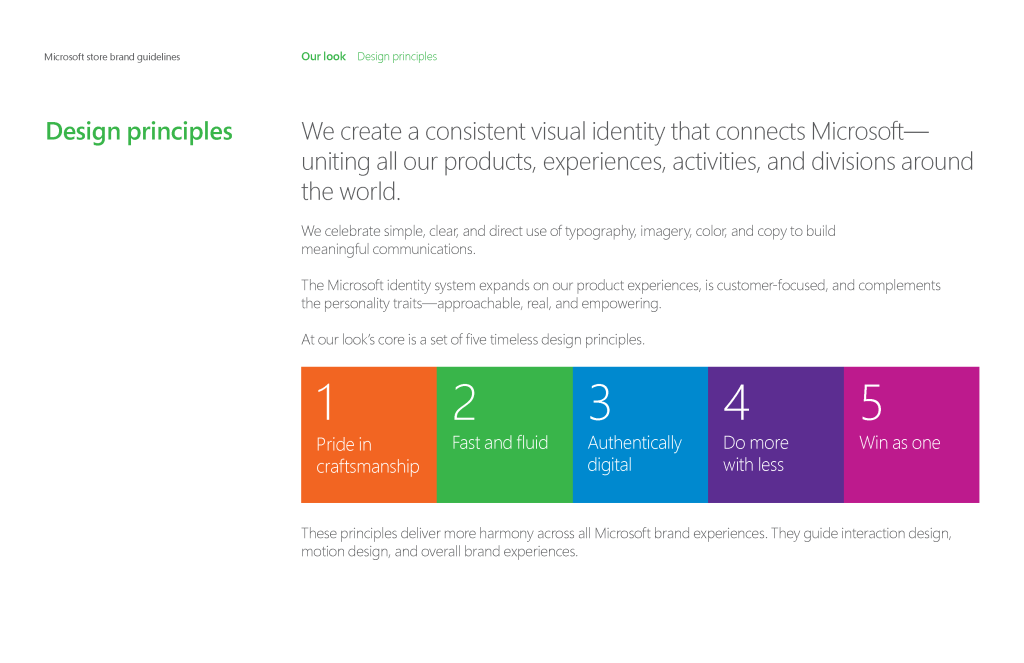
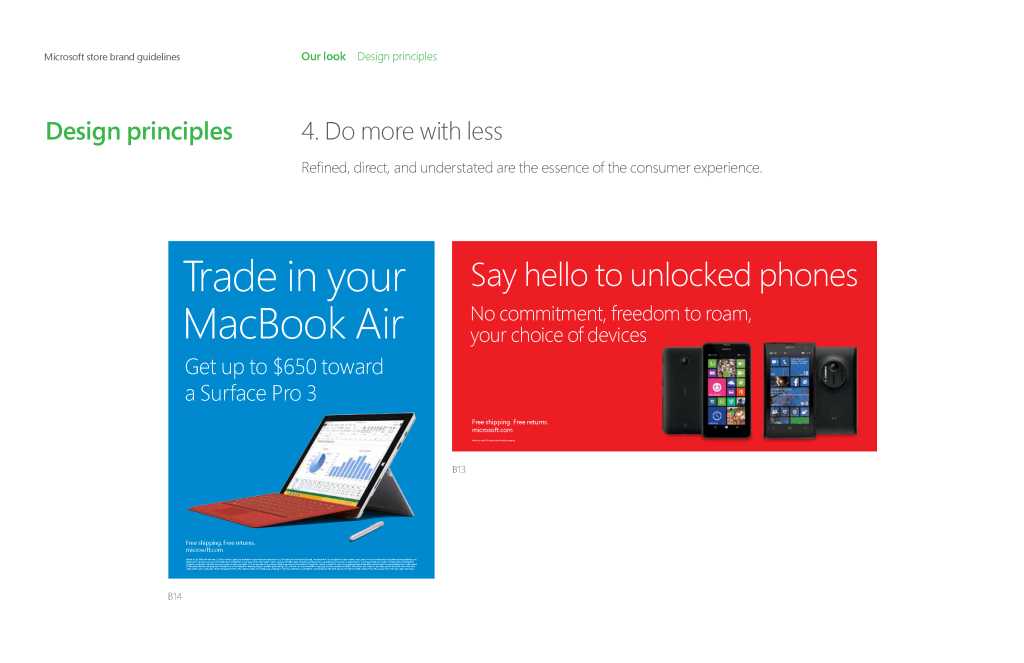
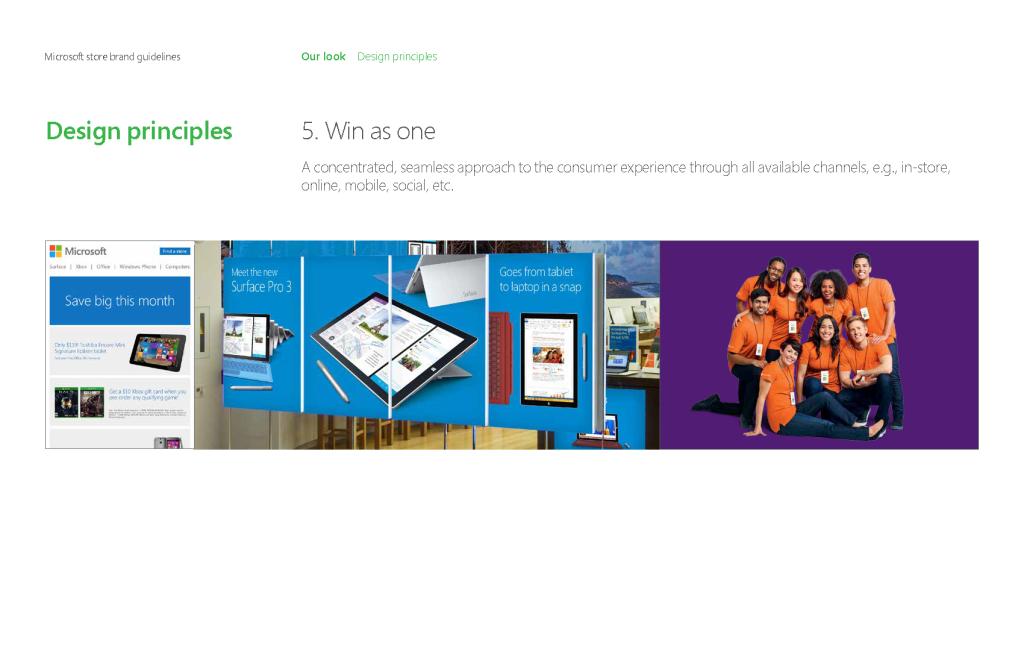
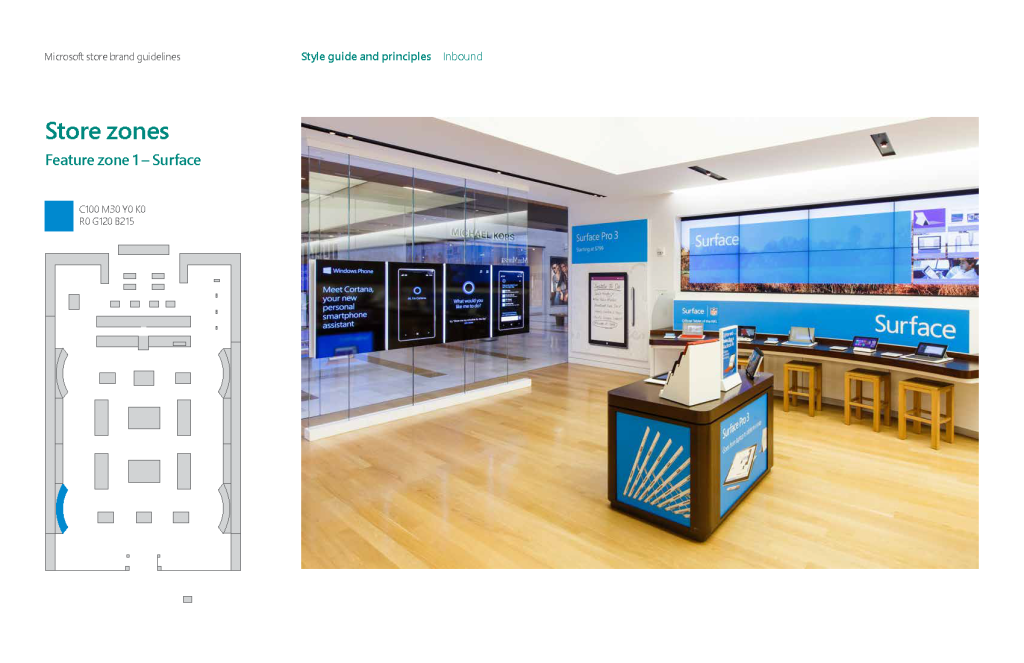
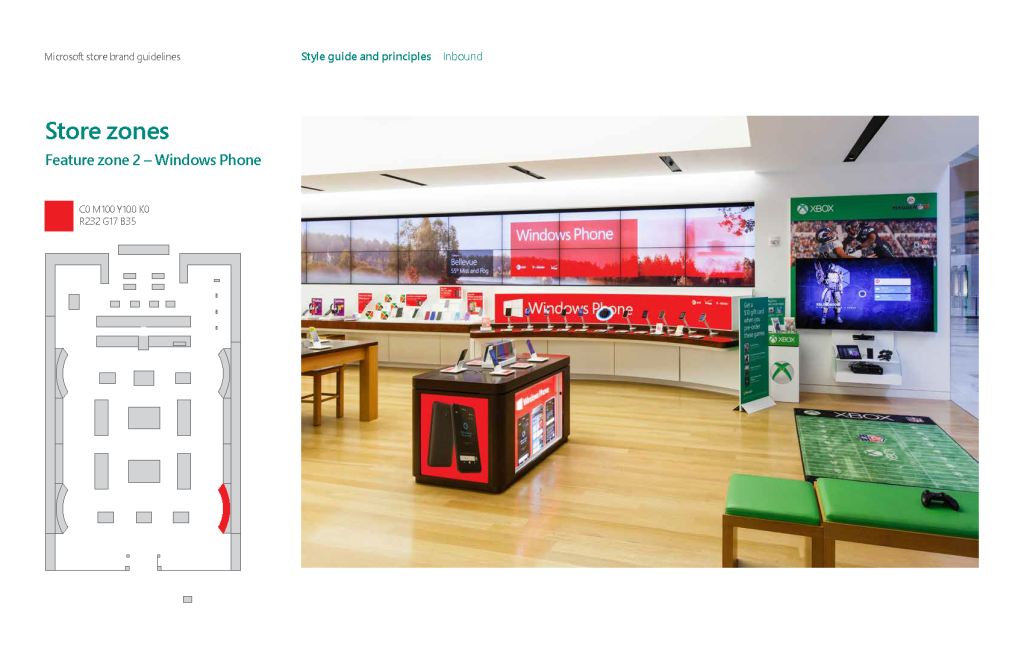
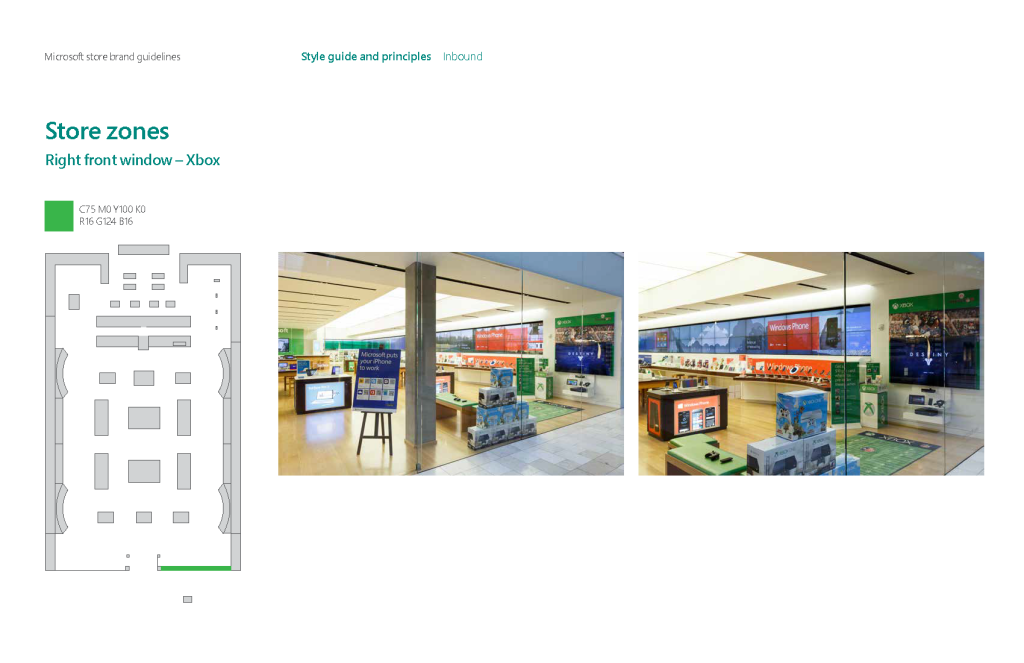
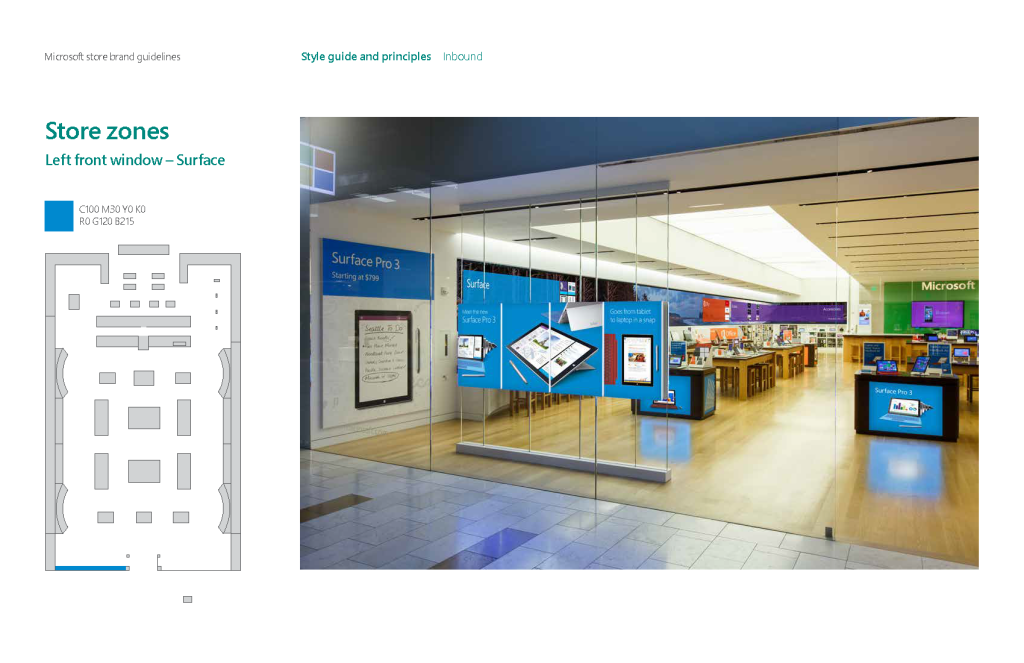
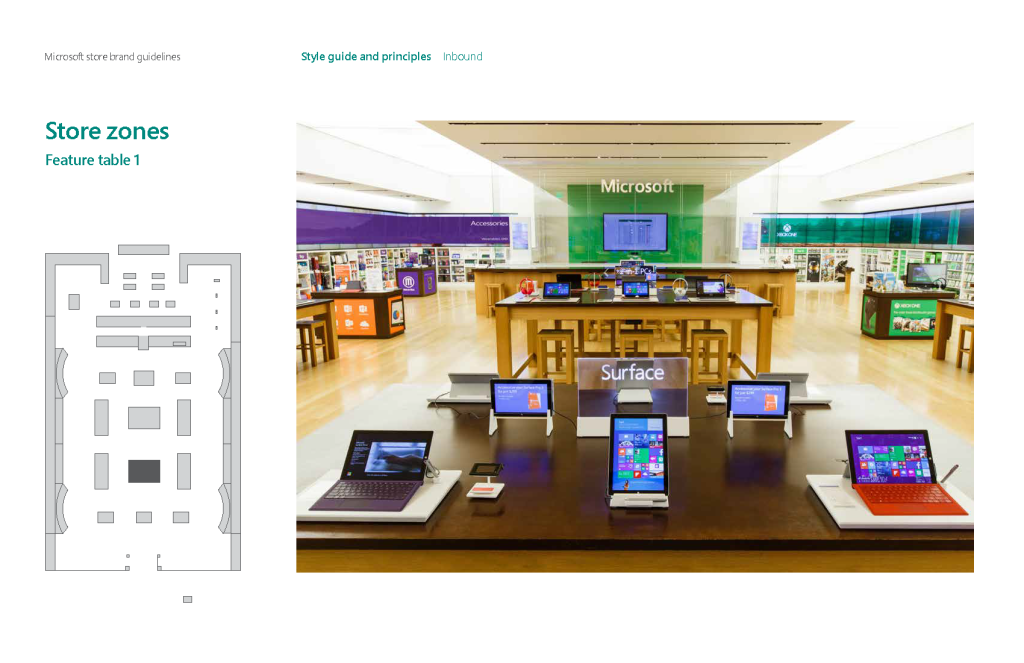
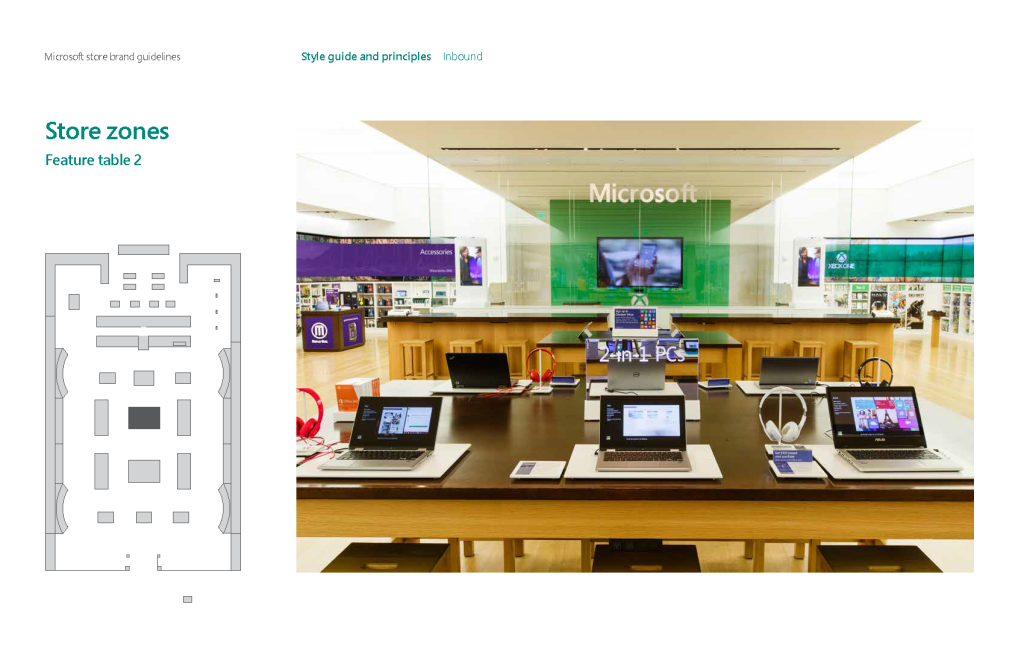
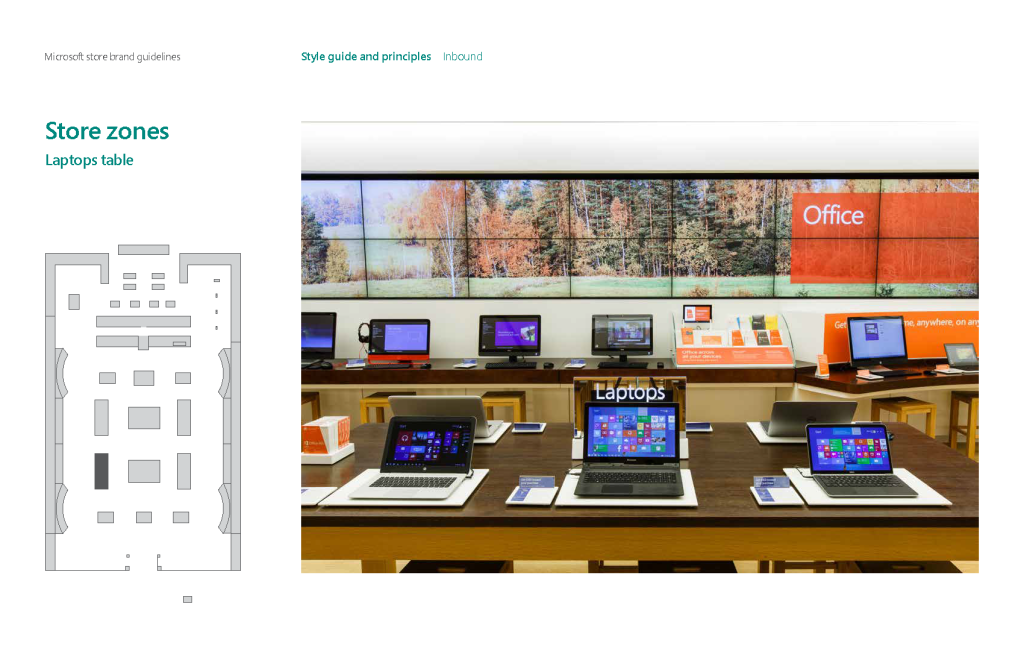
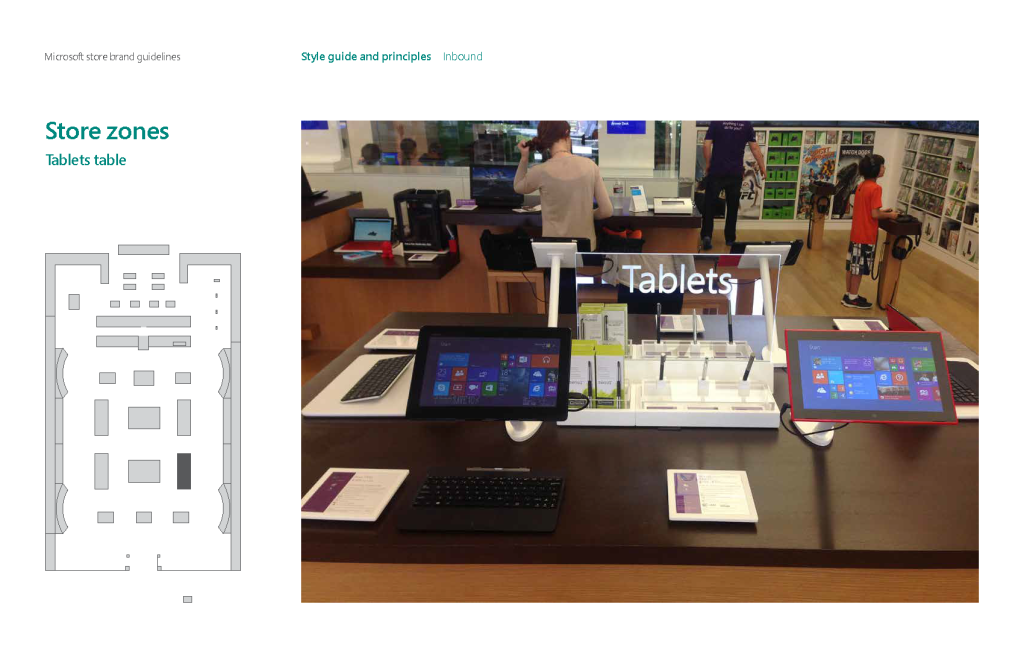
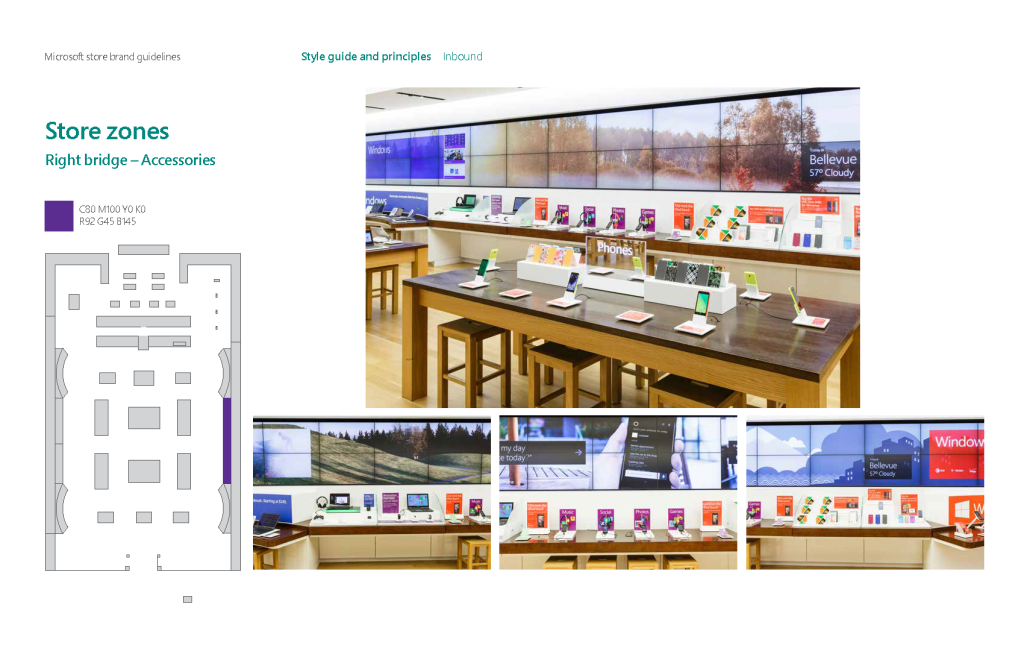
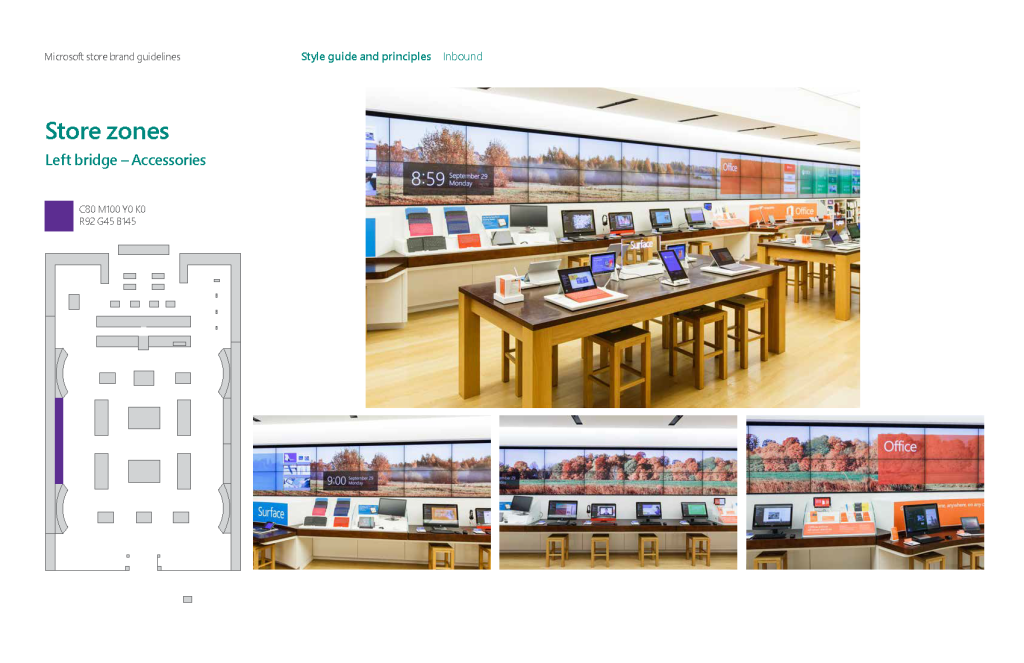
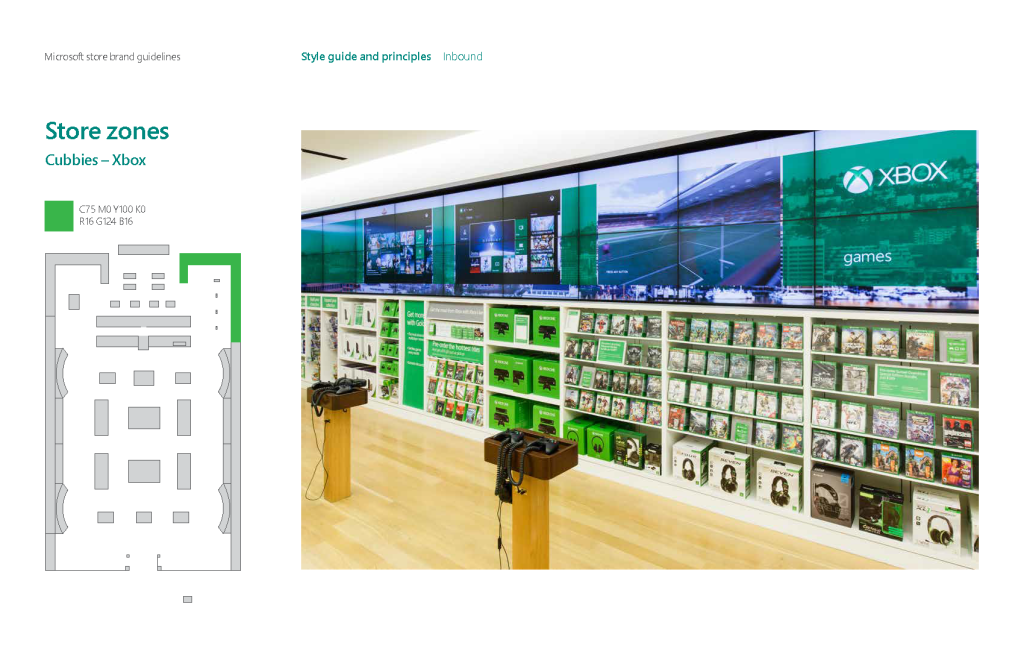
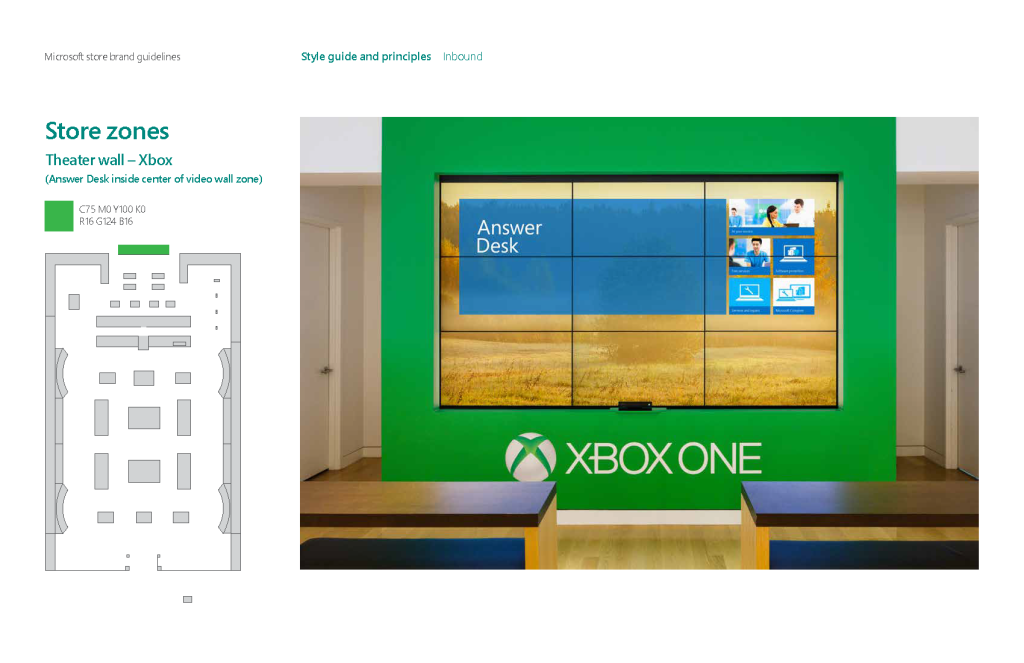
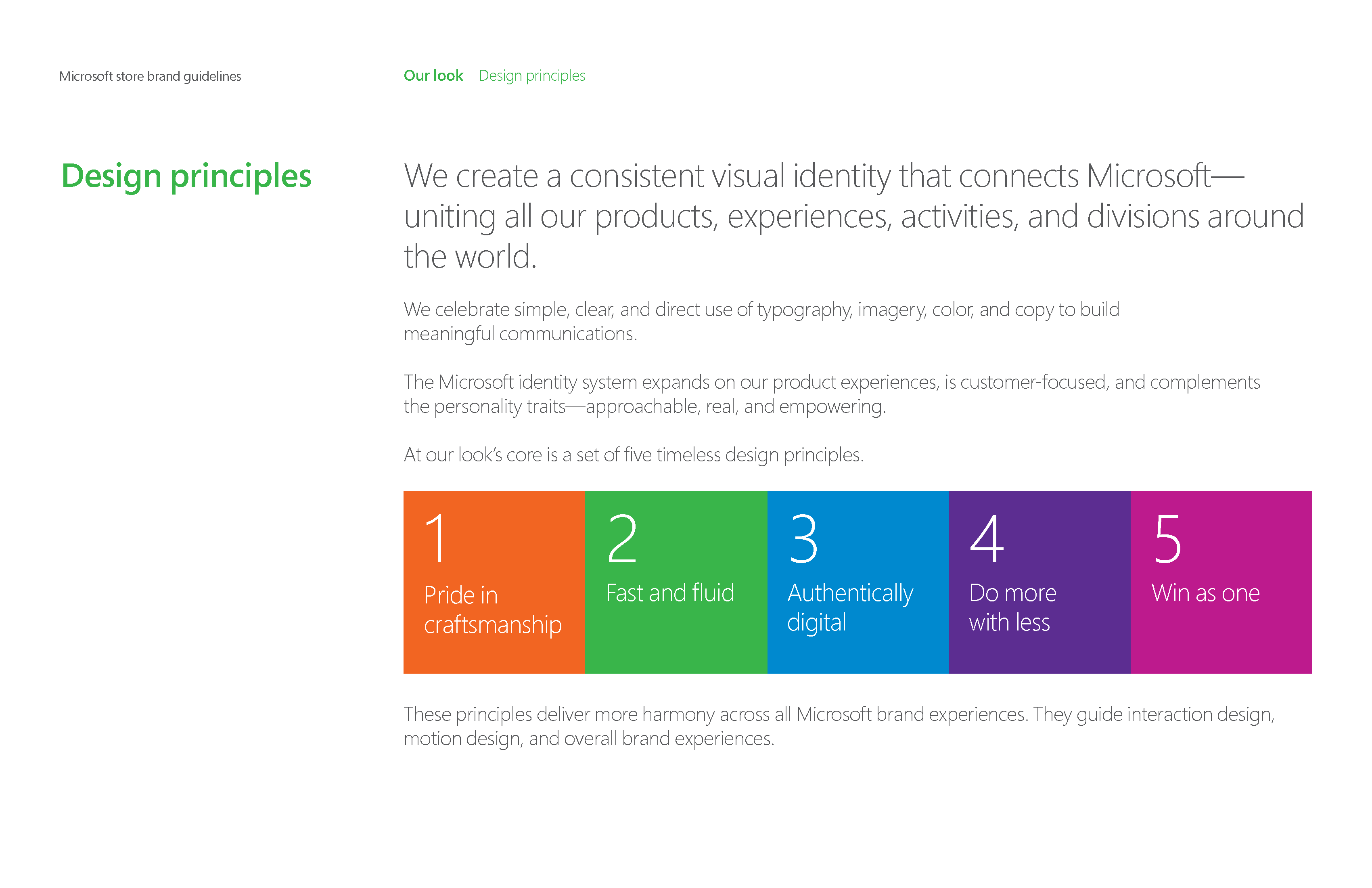
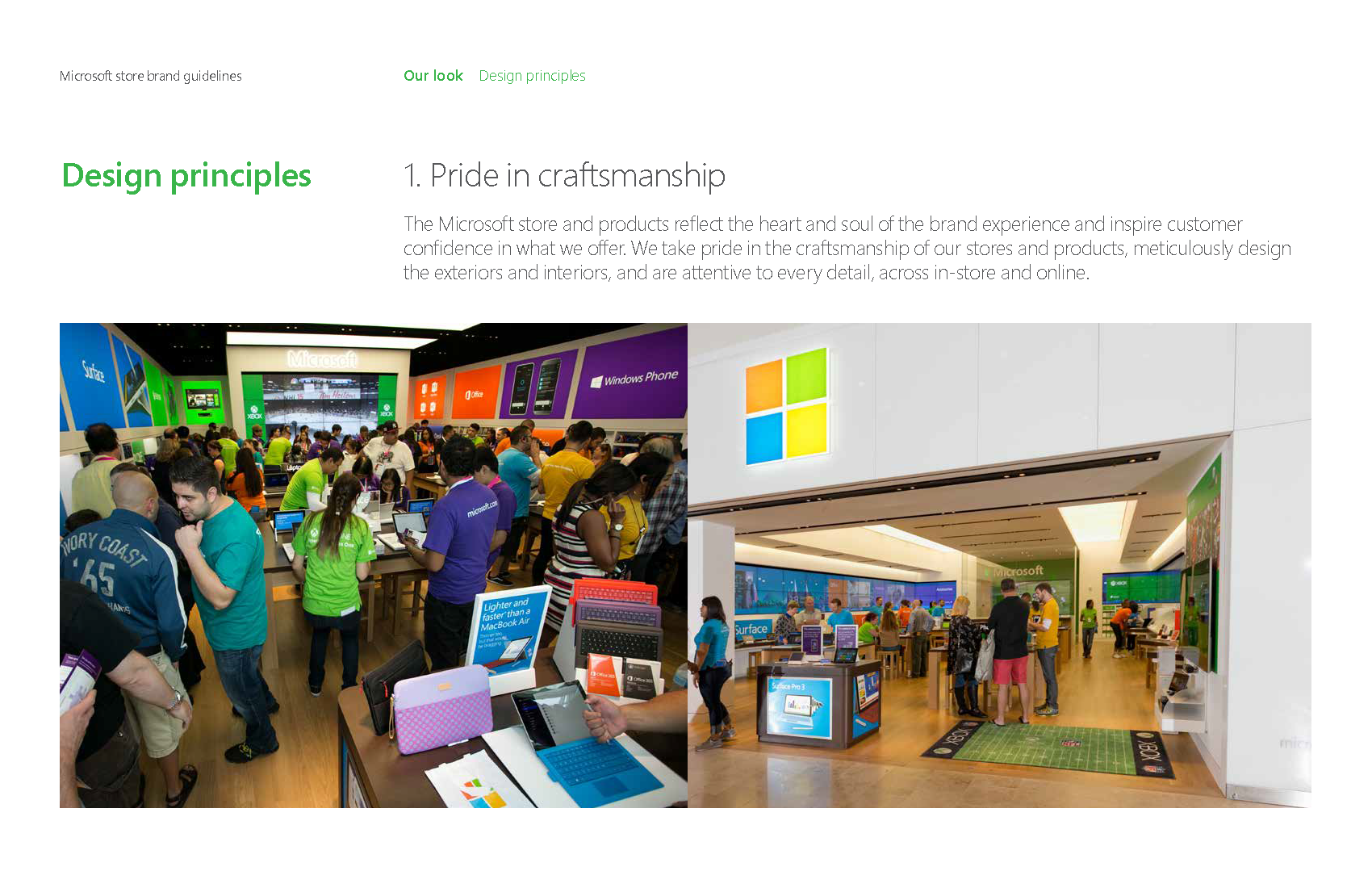
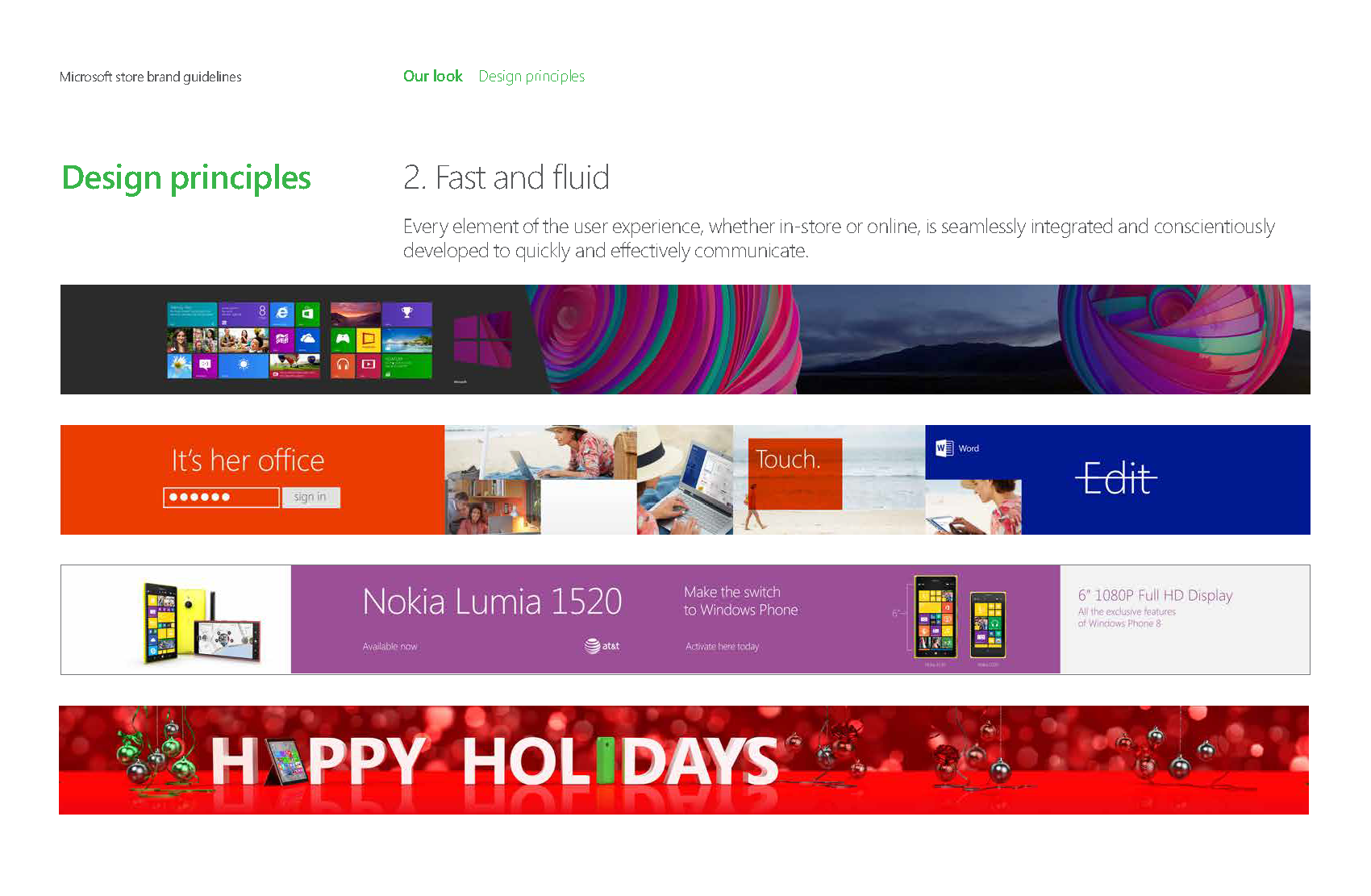
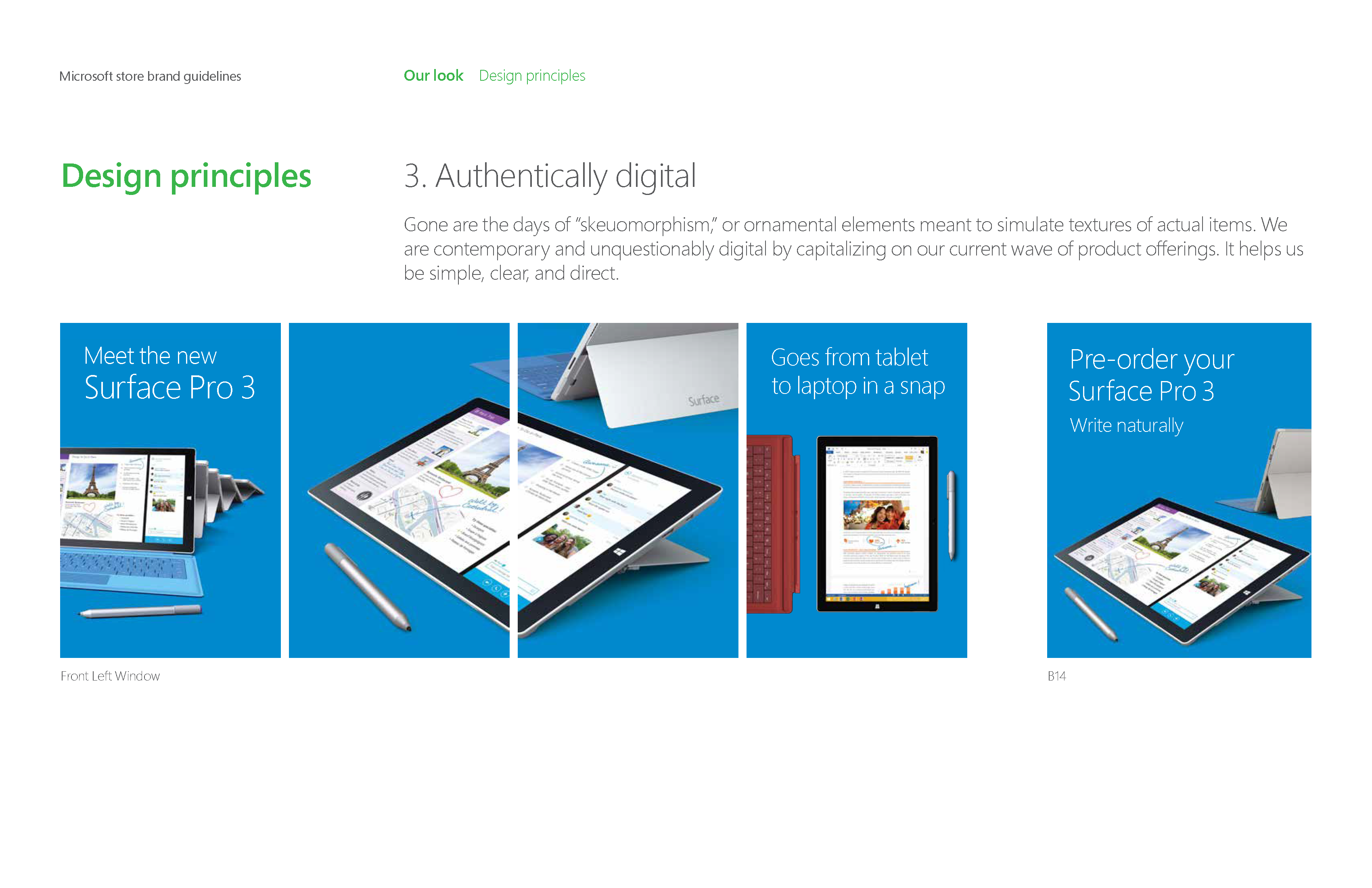
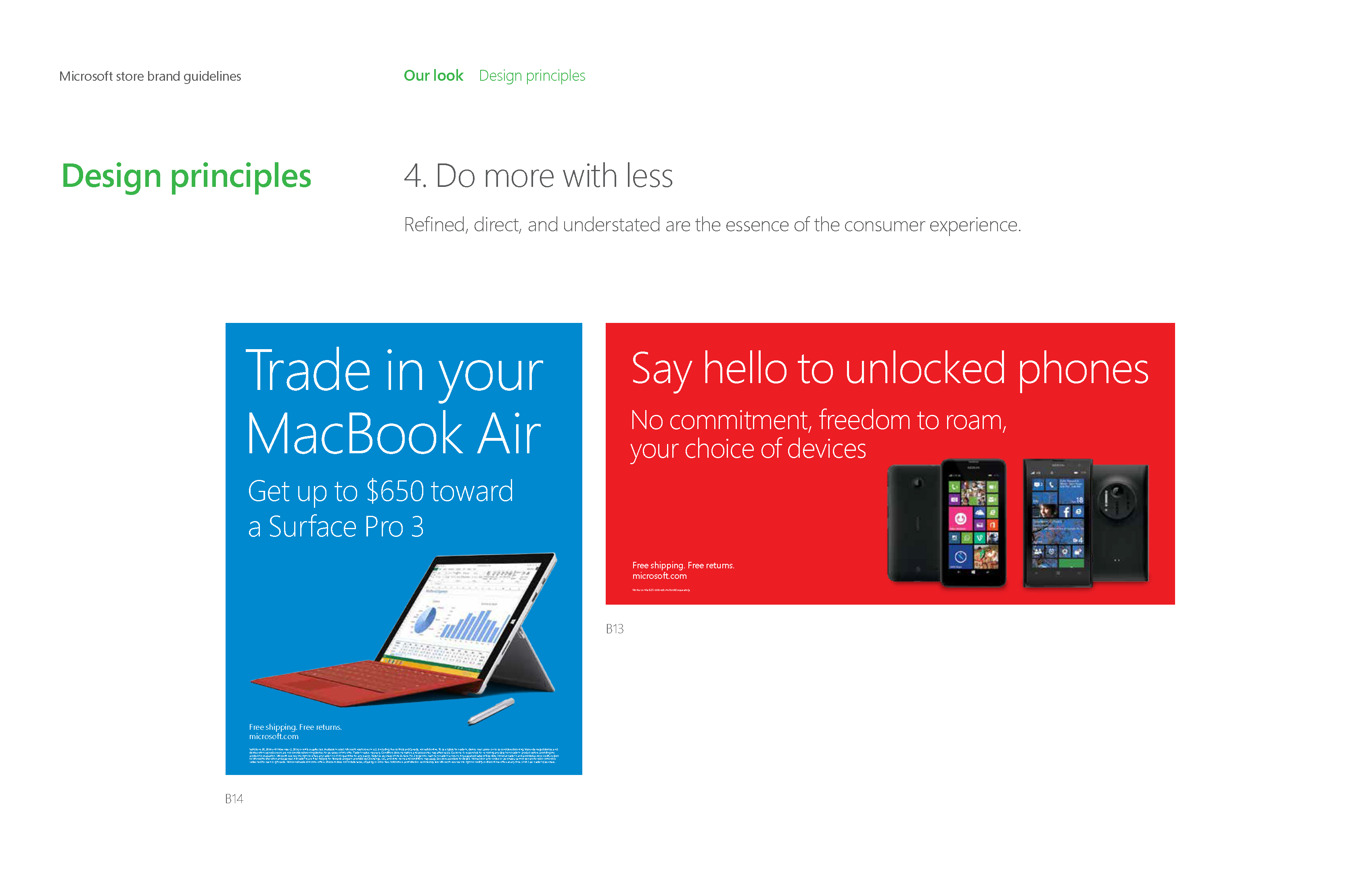
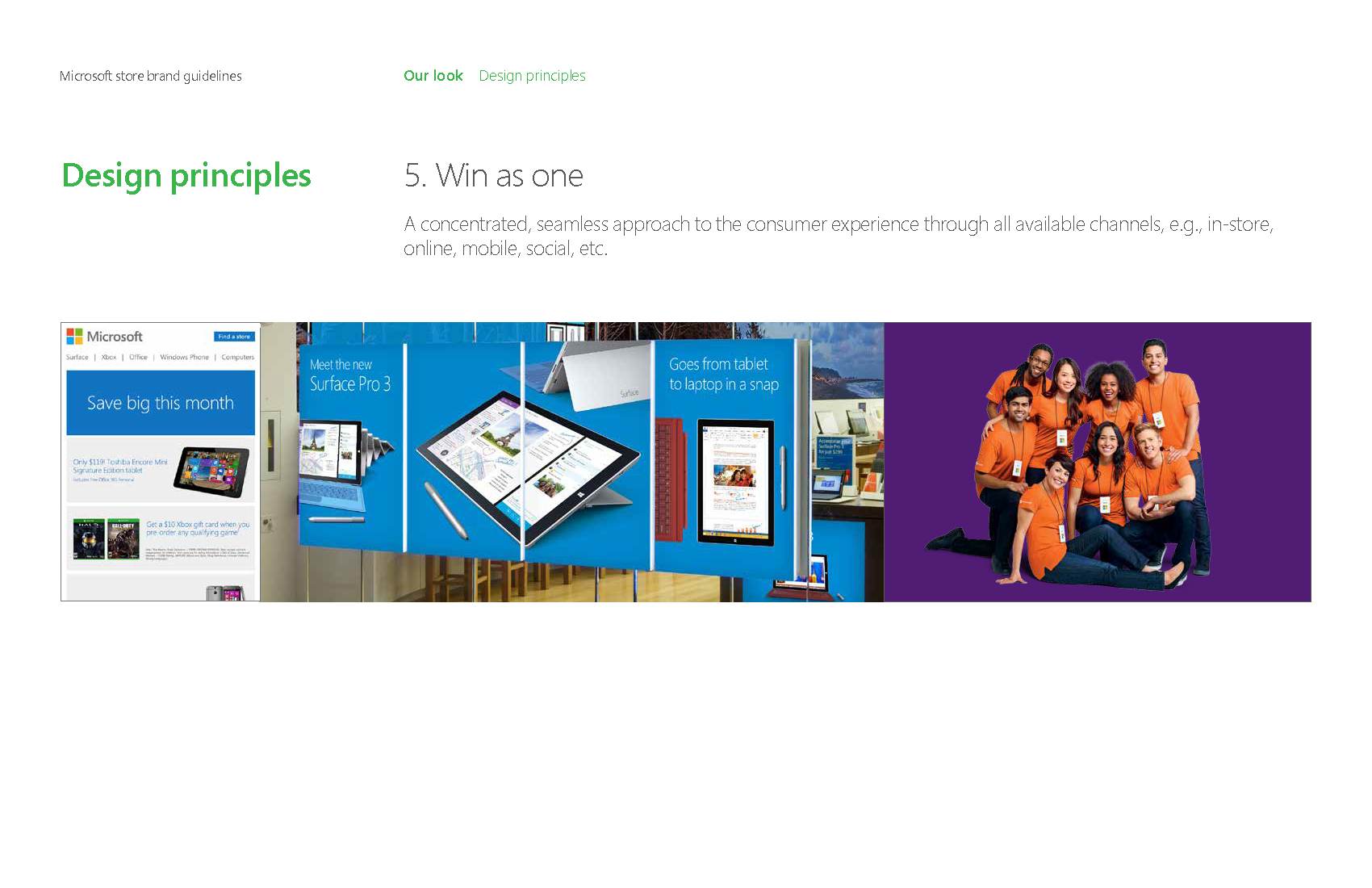
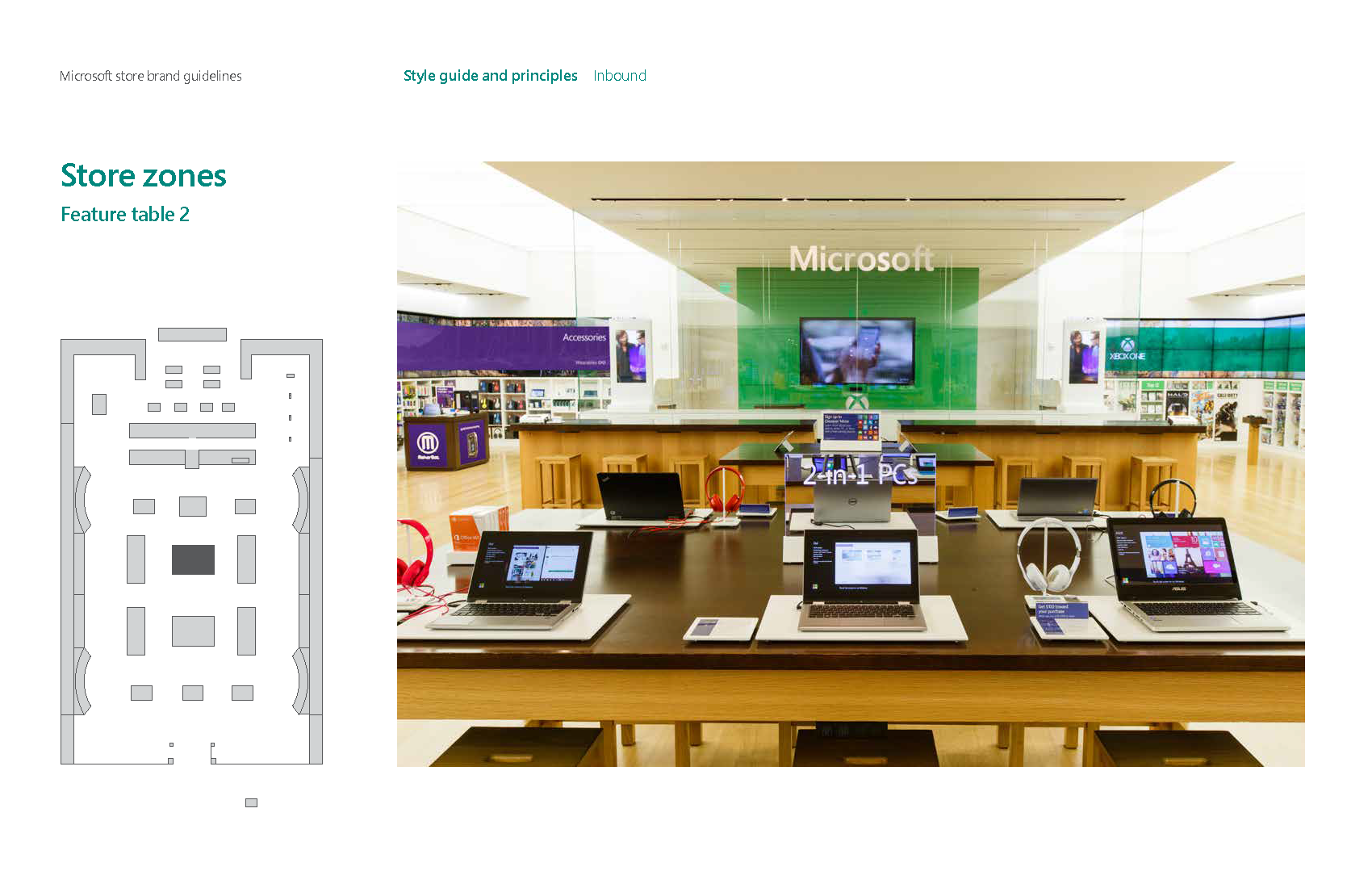
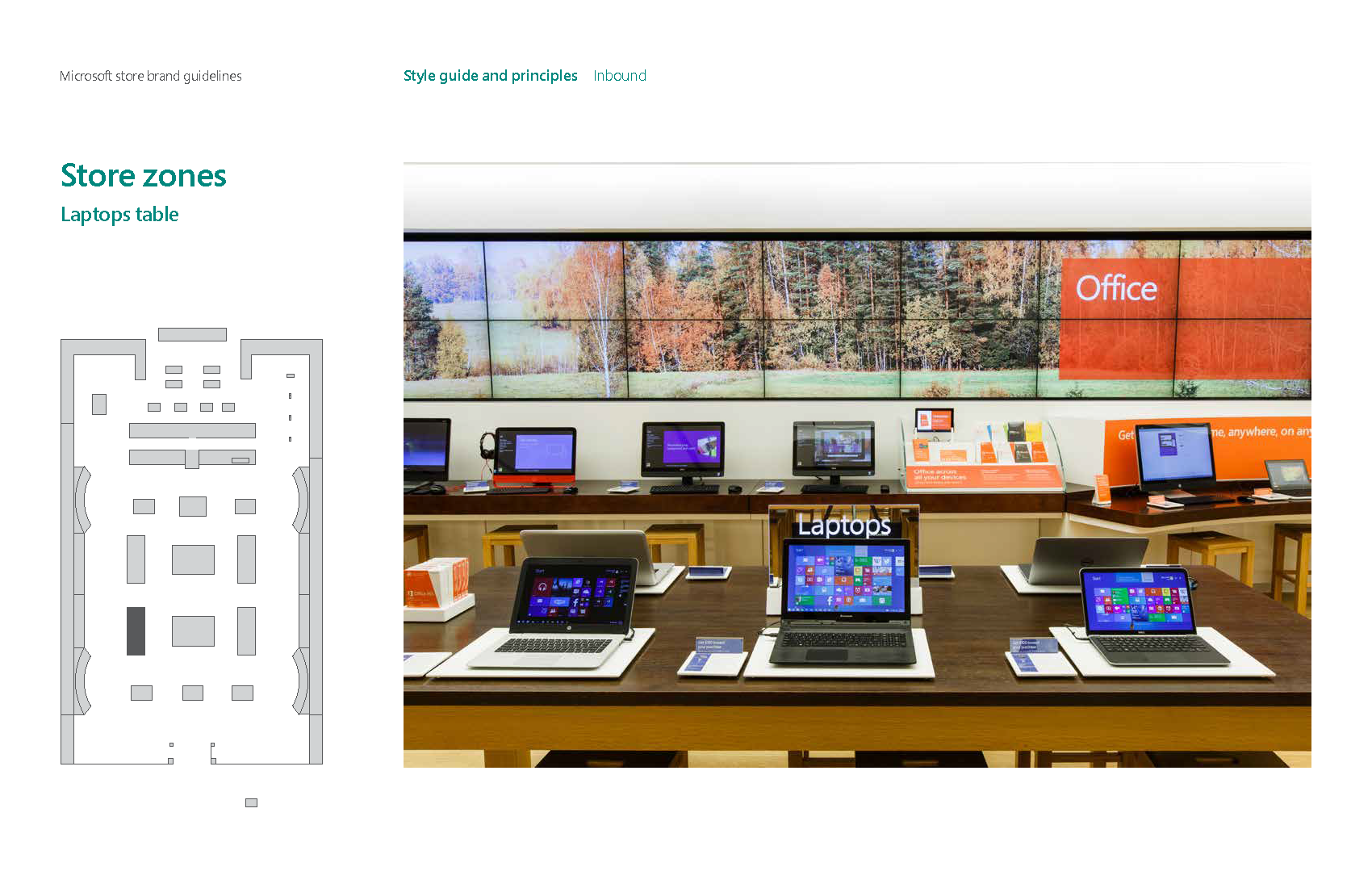
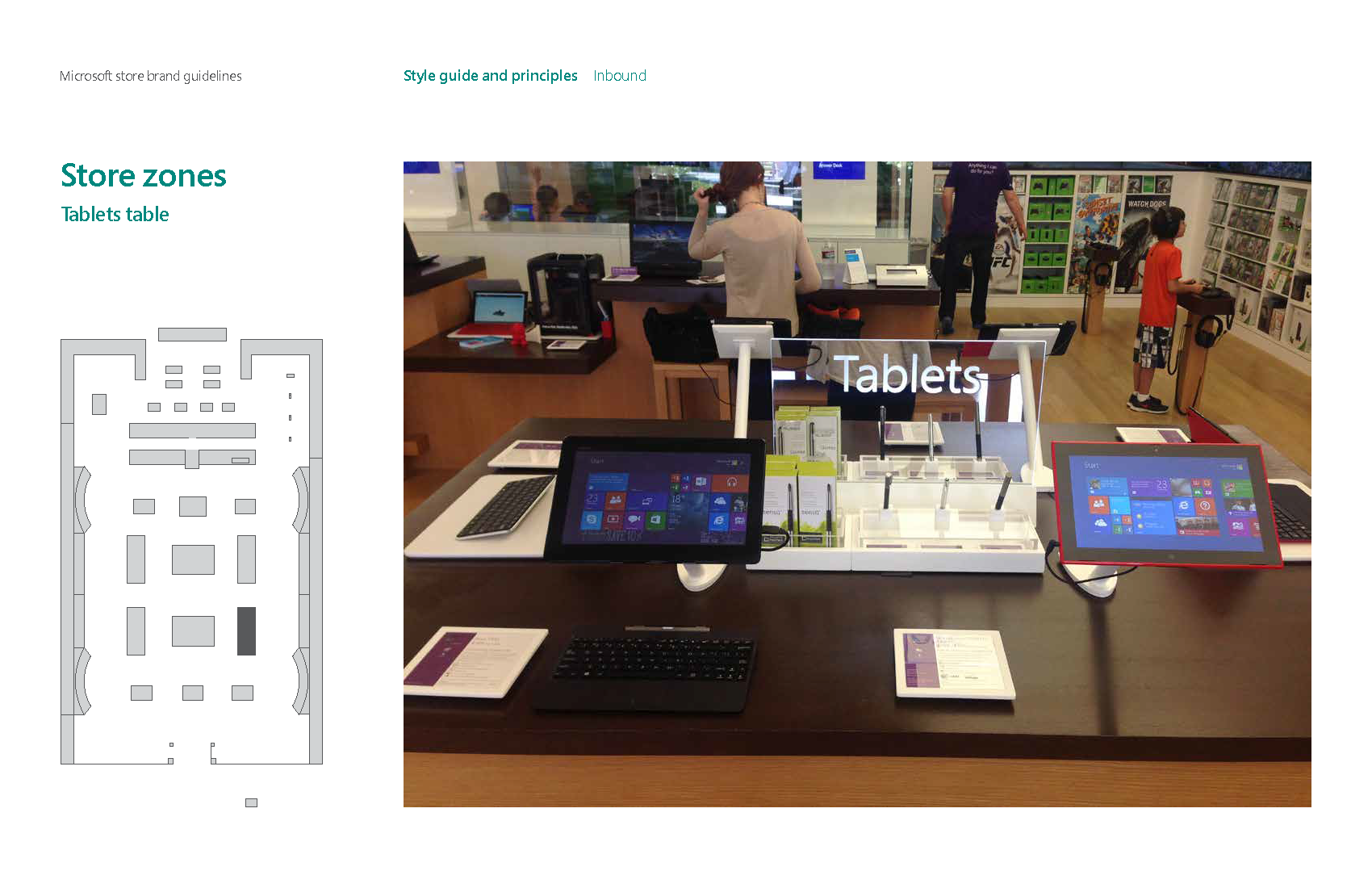
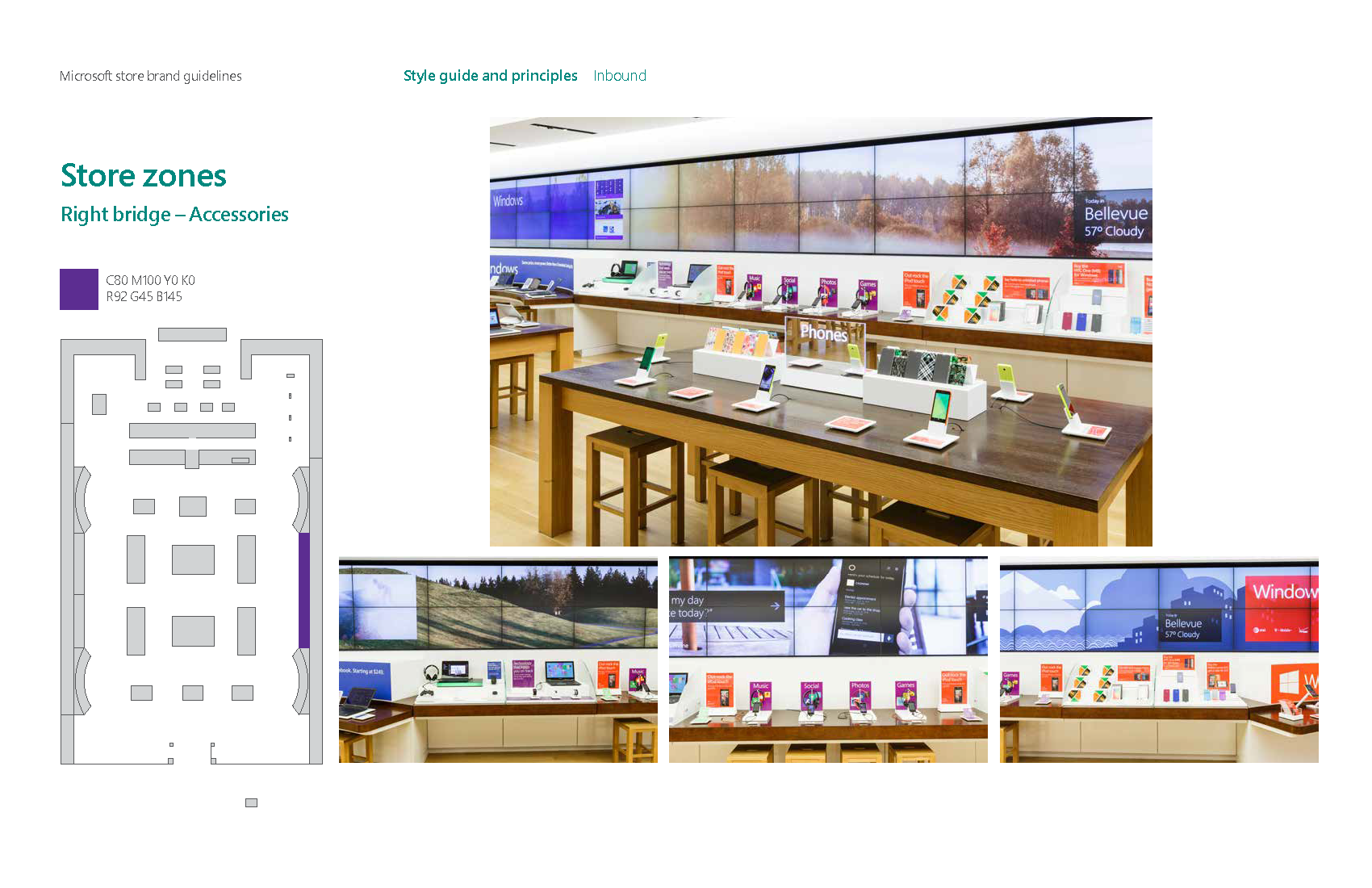
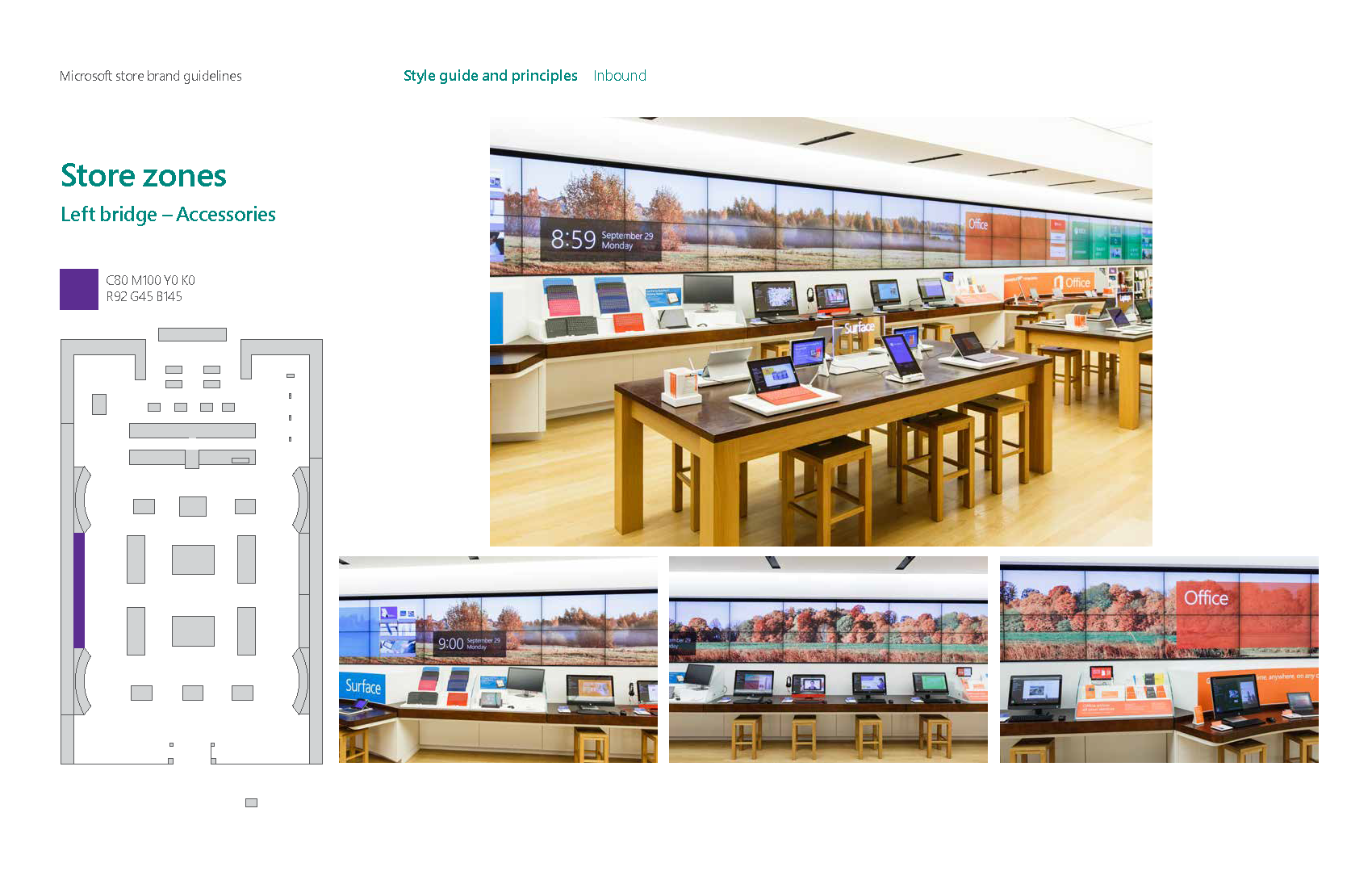
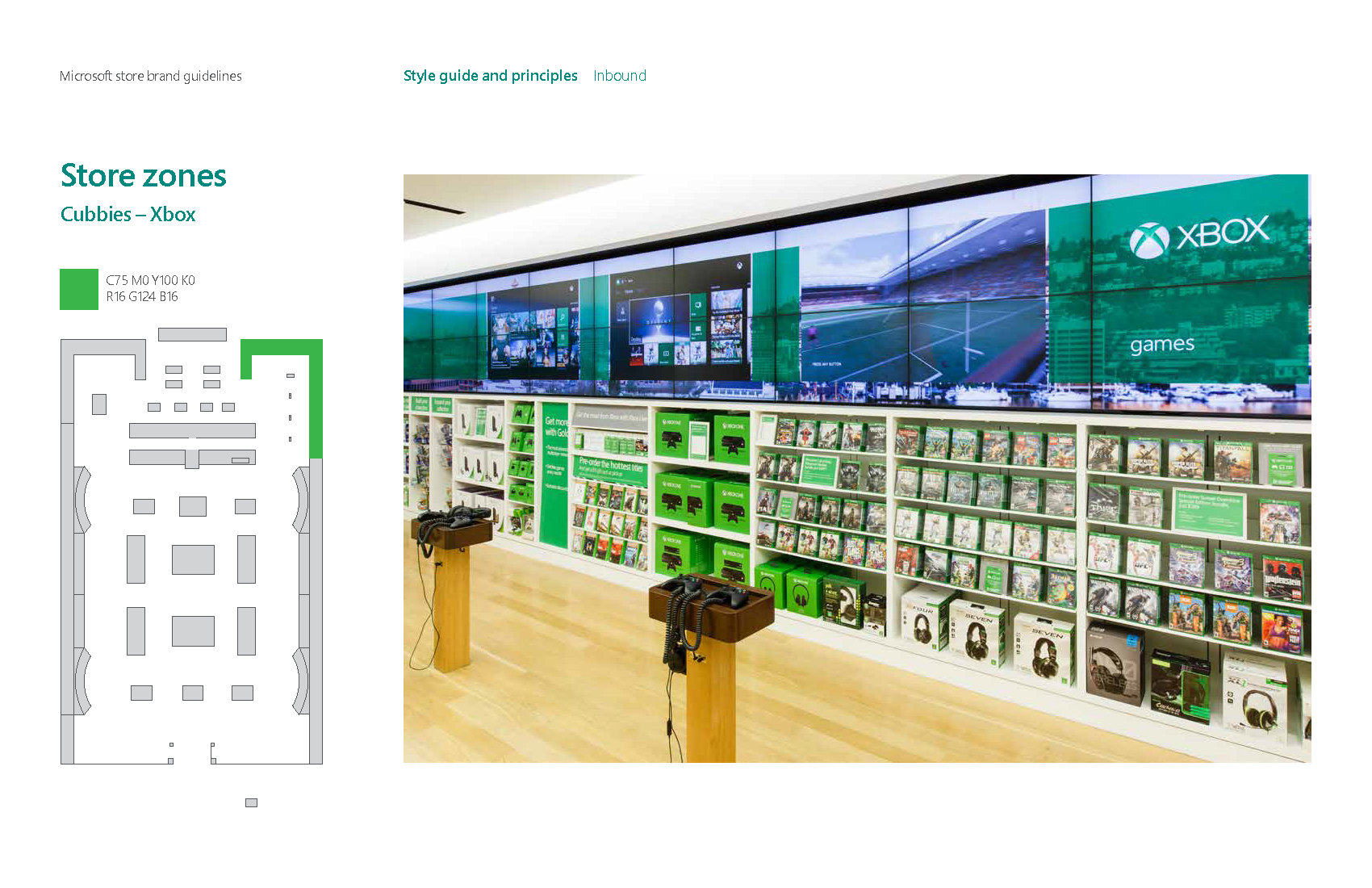
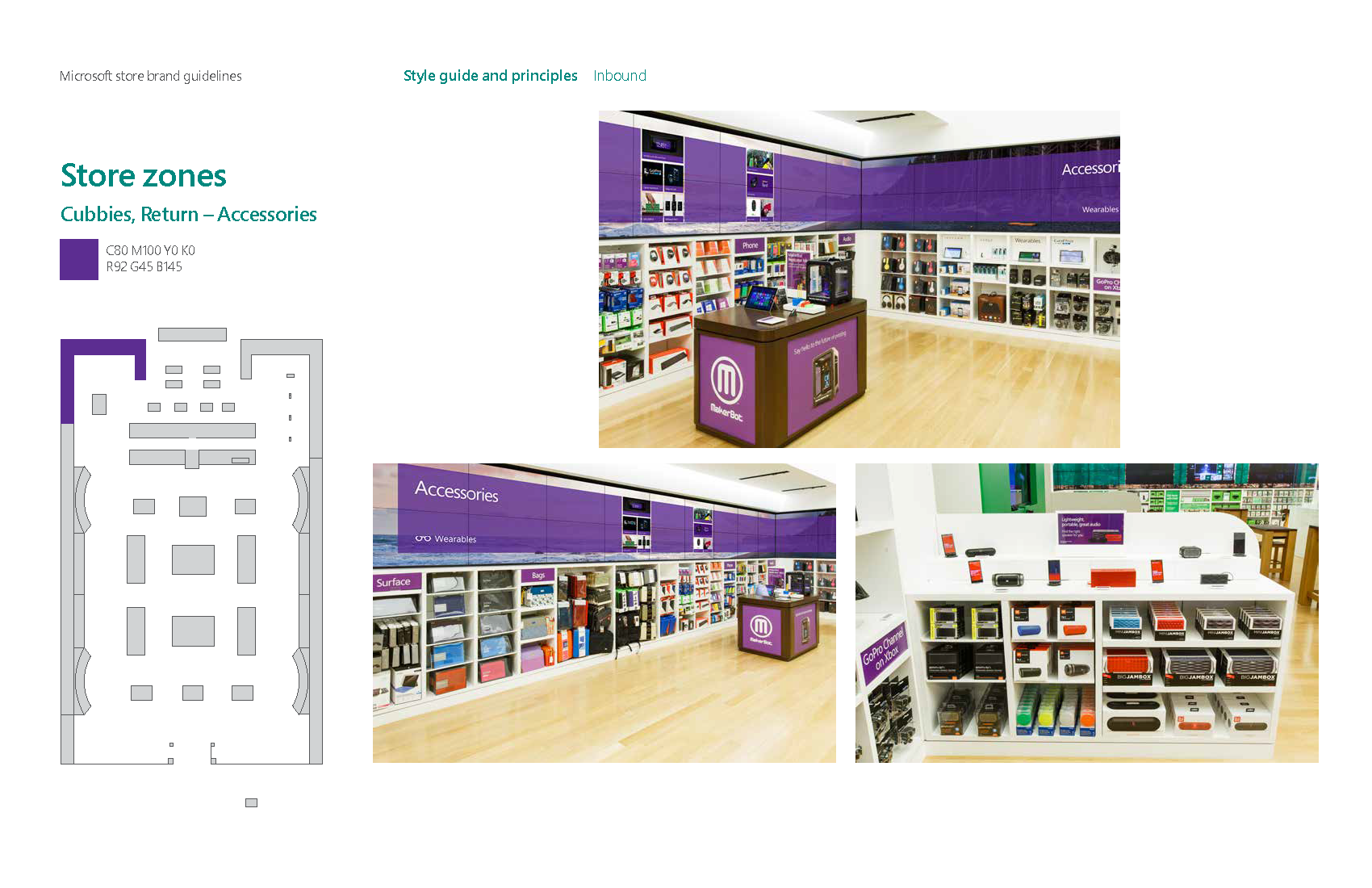
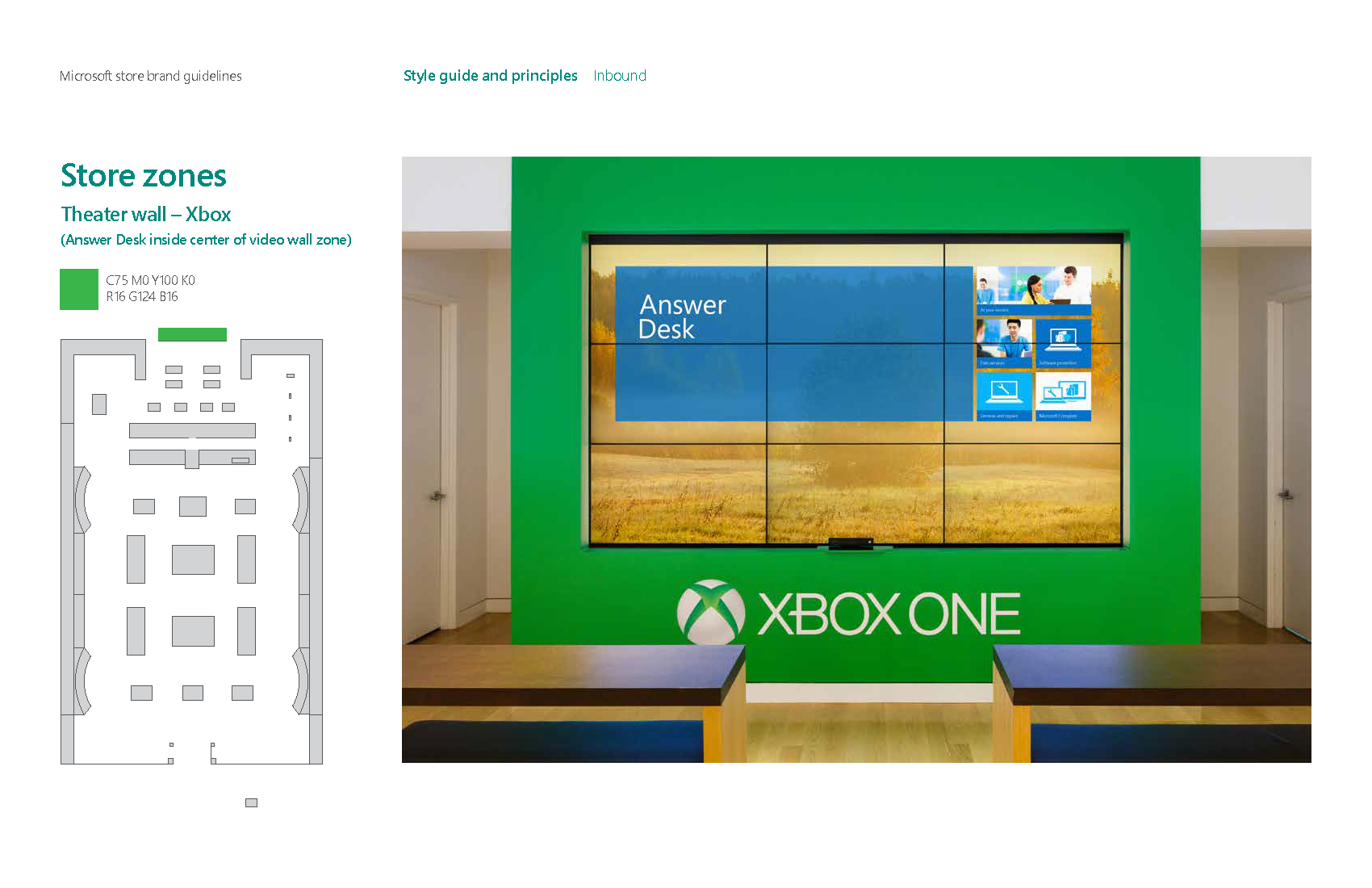
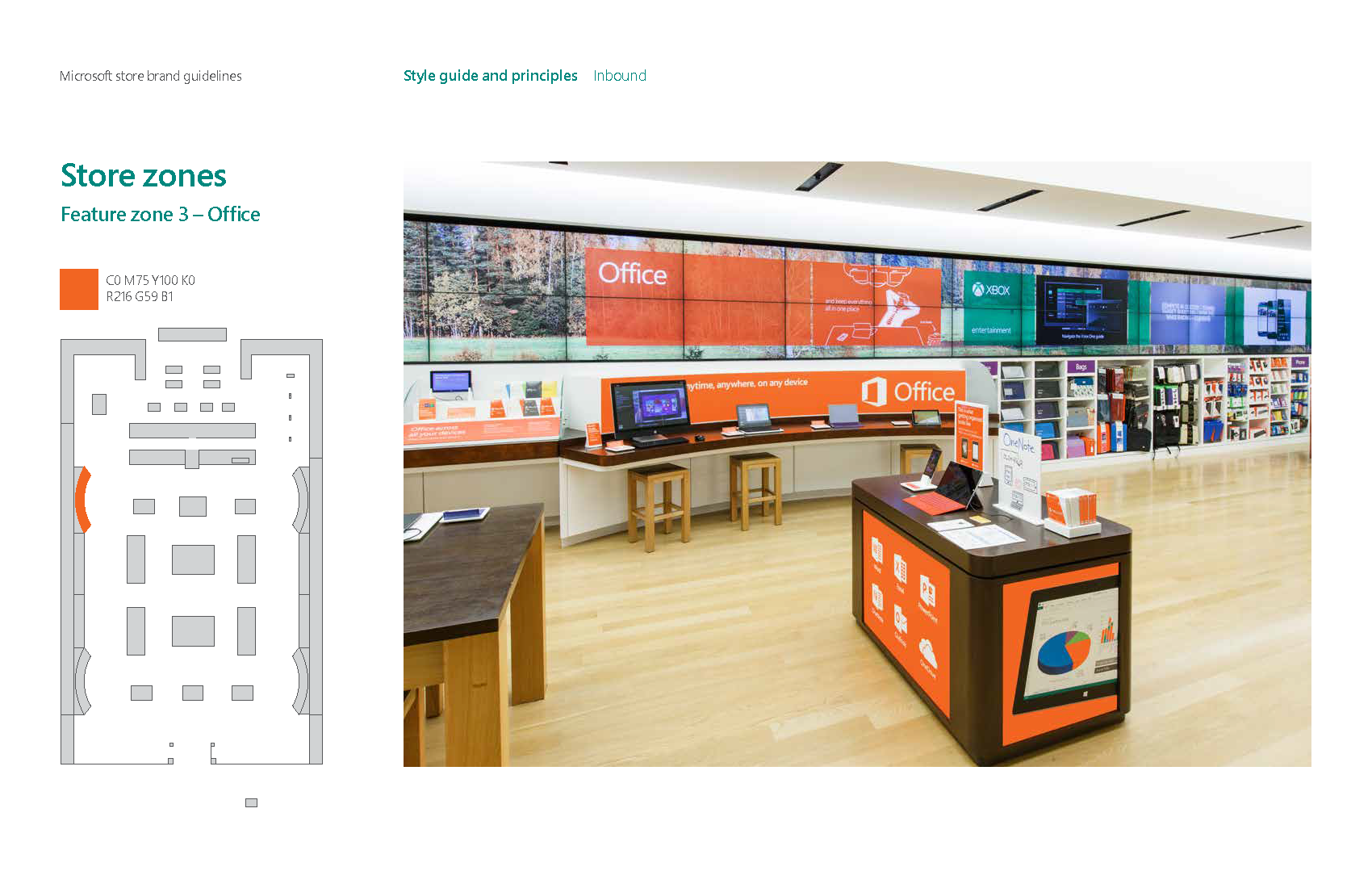
The Microsoft Store guidelines turned design intent into a reusable global playbook. They aligned architecture, fixtures, materials, interaction patterns, and visual expression so each location could respond to its context without losing the Microsoft experience.

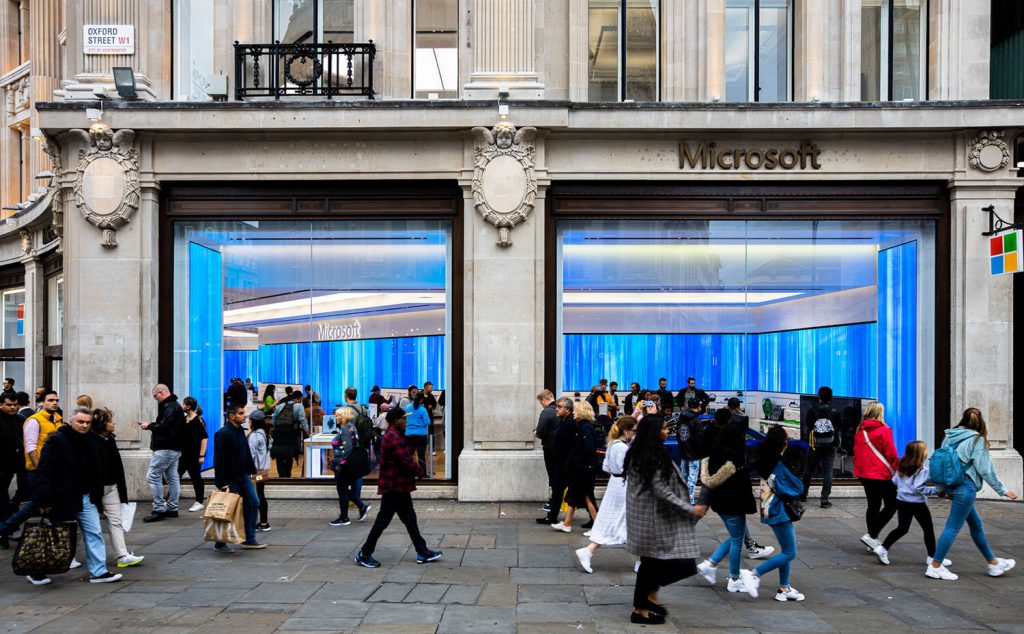
London flagship: experience strategy for a city crossroads

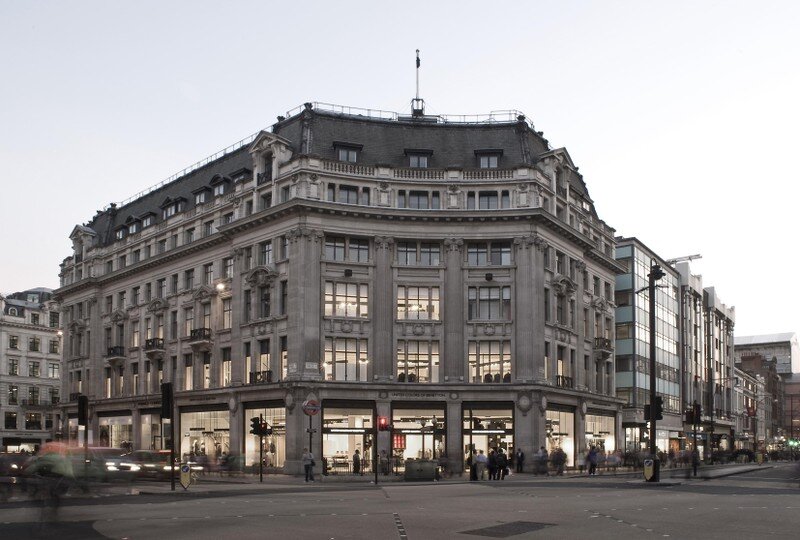
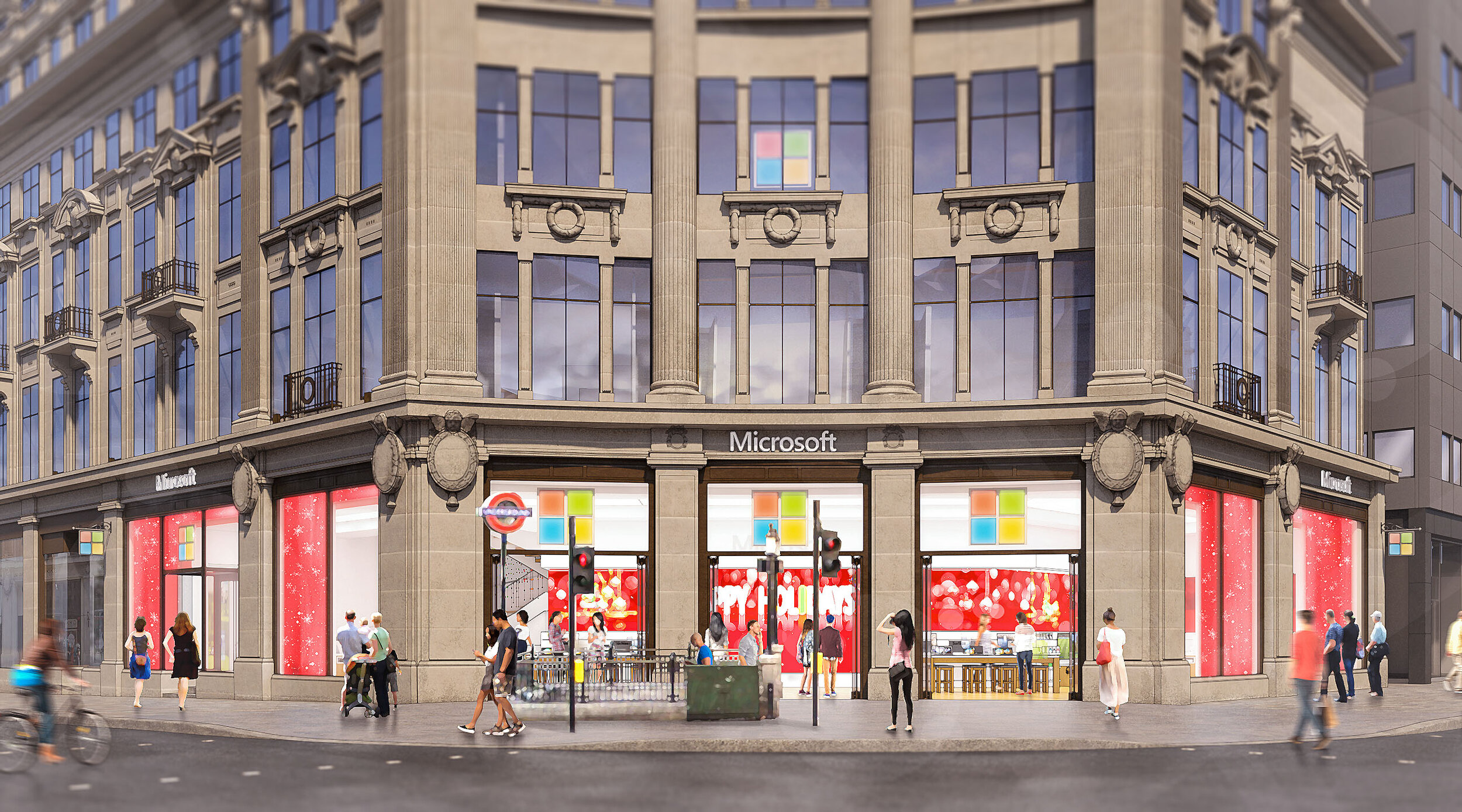
At Oxford Circus, the flagship had to do more than display products. I led the early design direction and experience strategy for the ground floor, framing how the storefront, product discovery, service, and London culture could work together. I orchestrated the team’s concept development, directed the creative work, and personally explored ideas that helped leadership see the opportunity before the store was built.

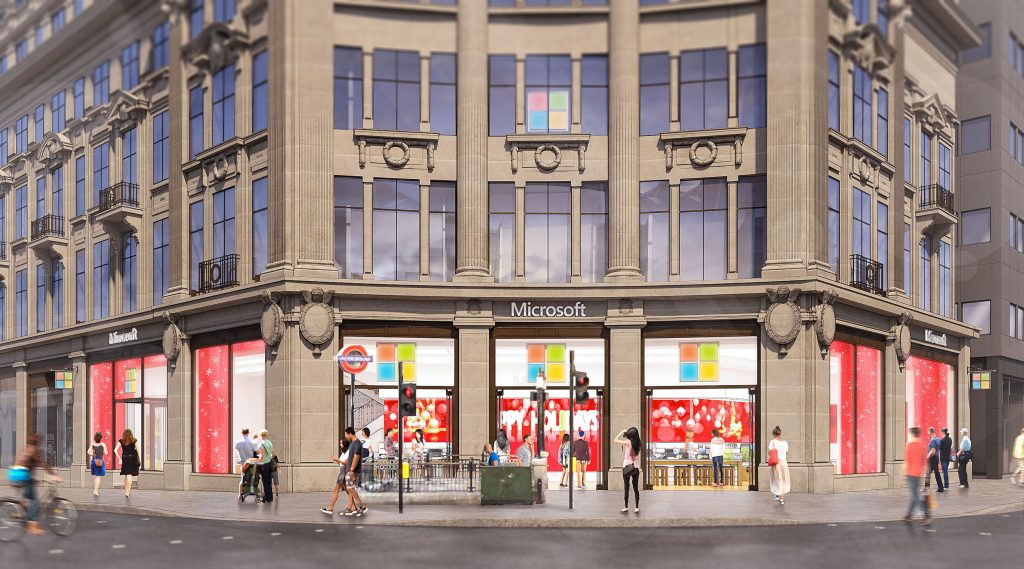
London flagship site at Oxford Circus

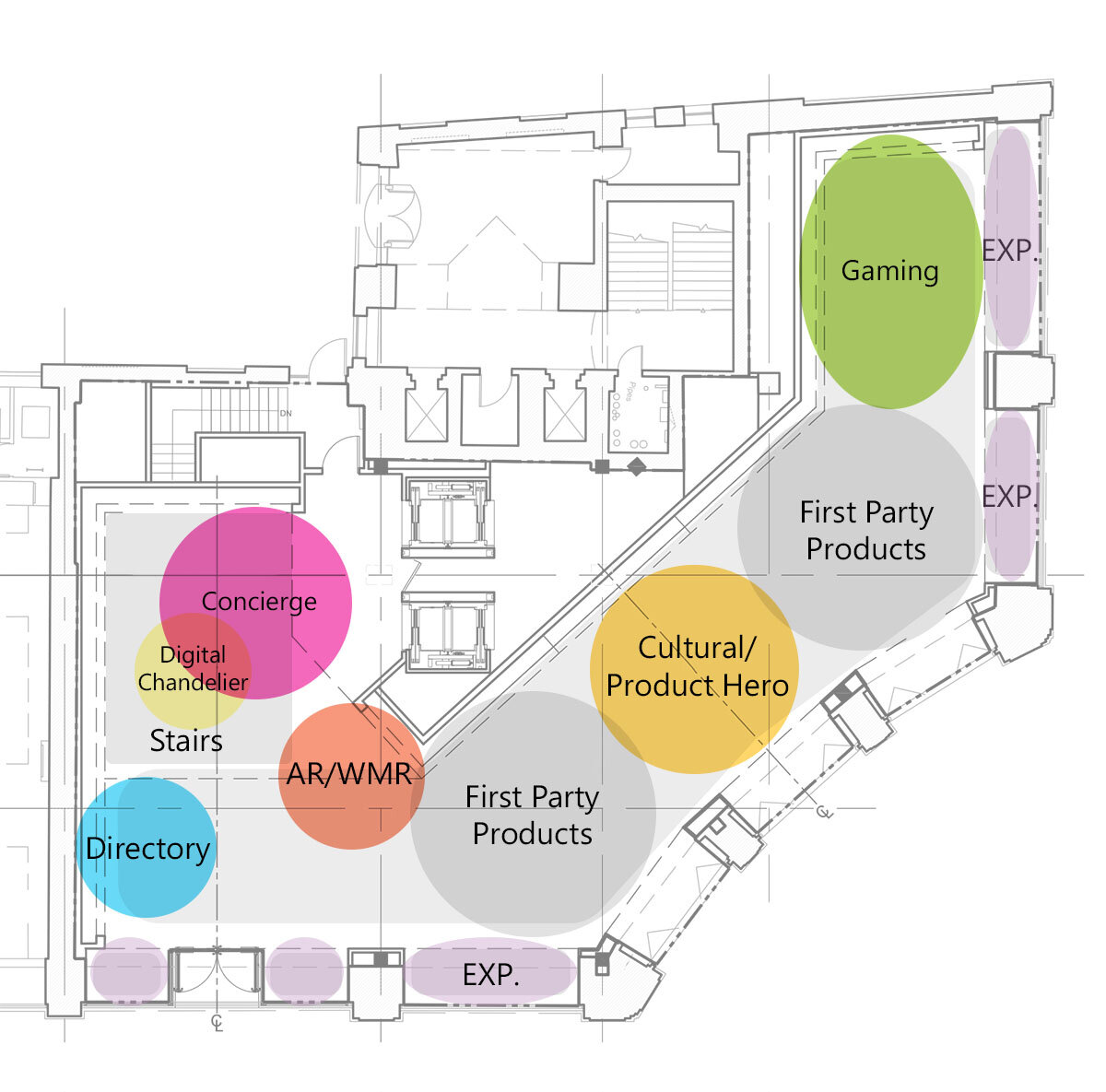
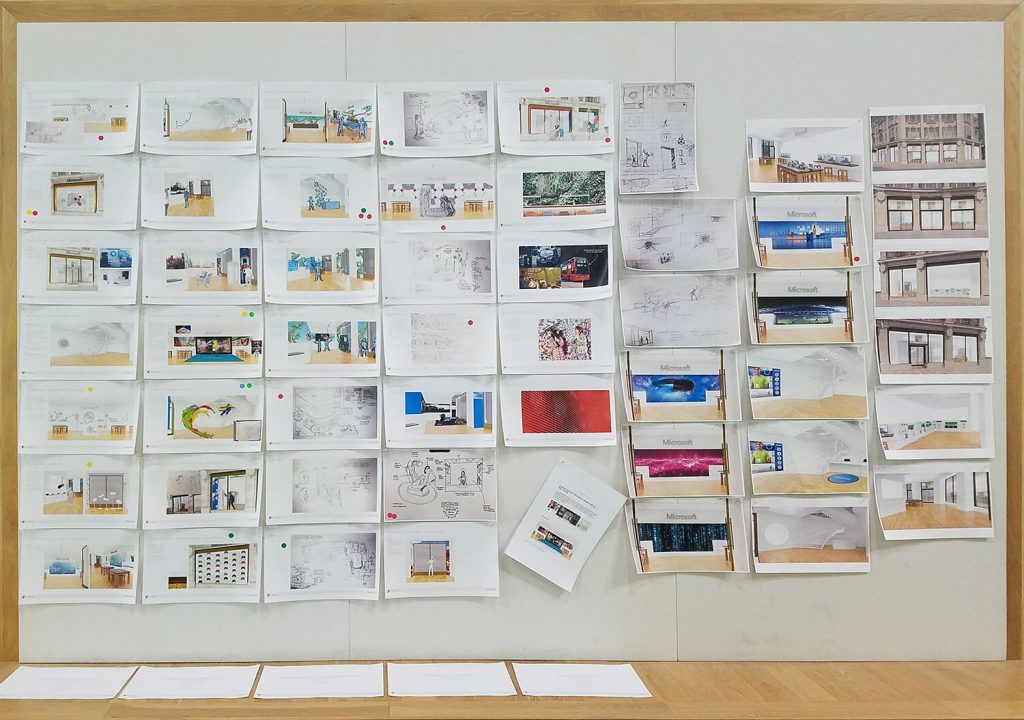
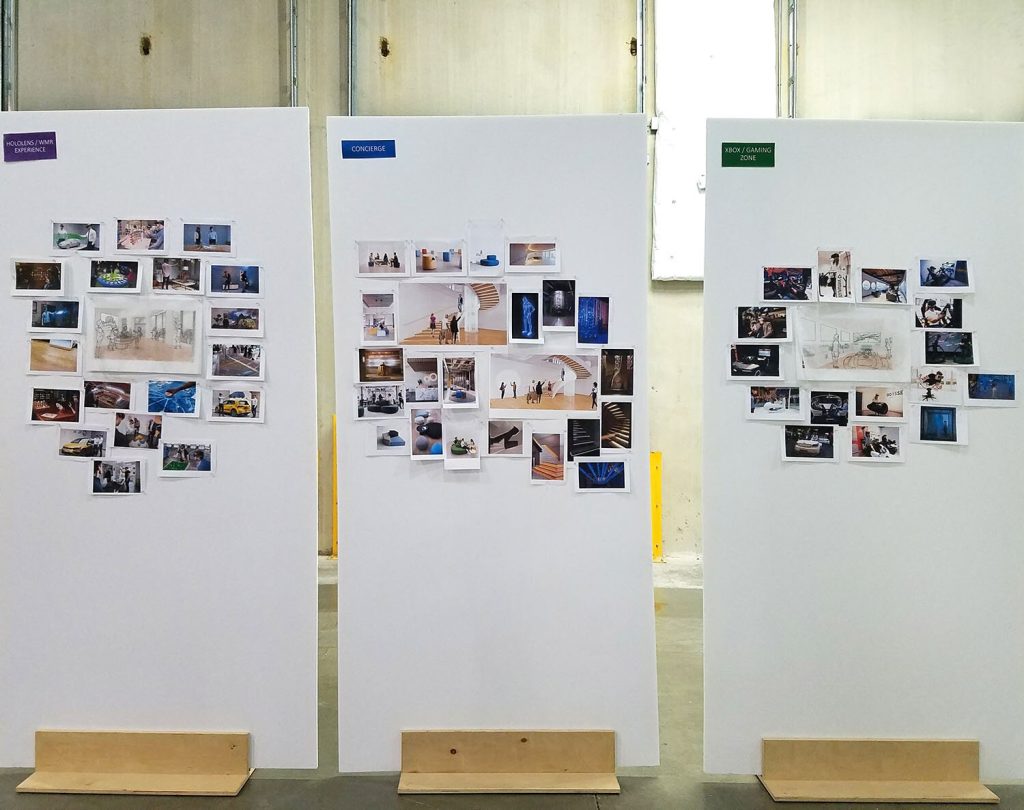
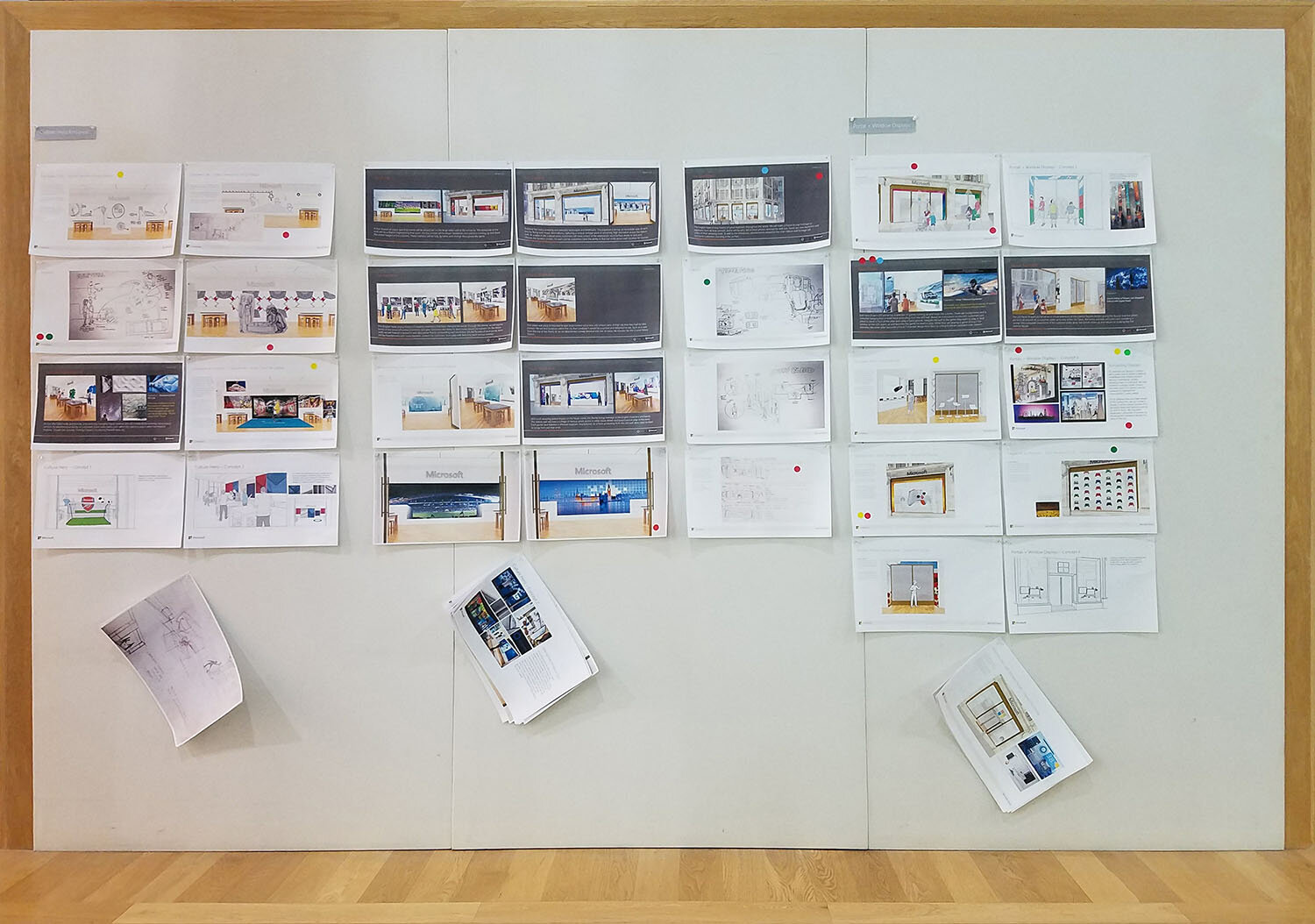
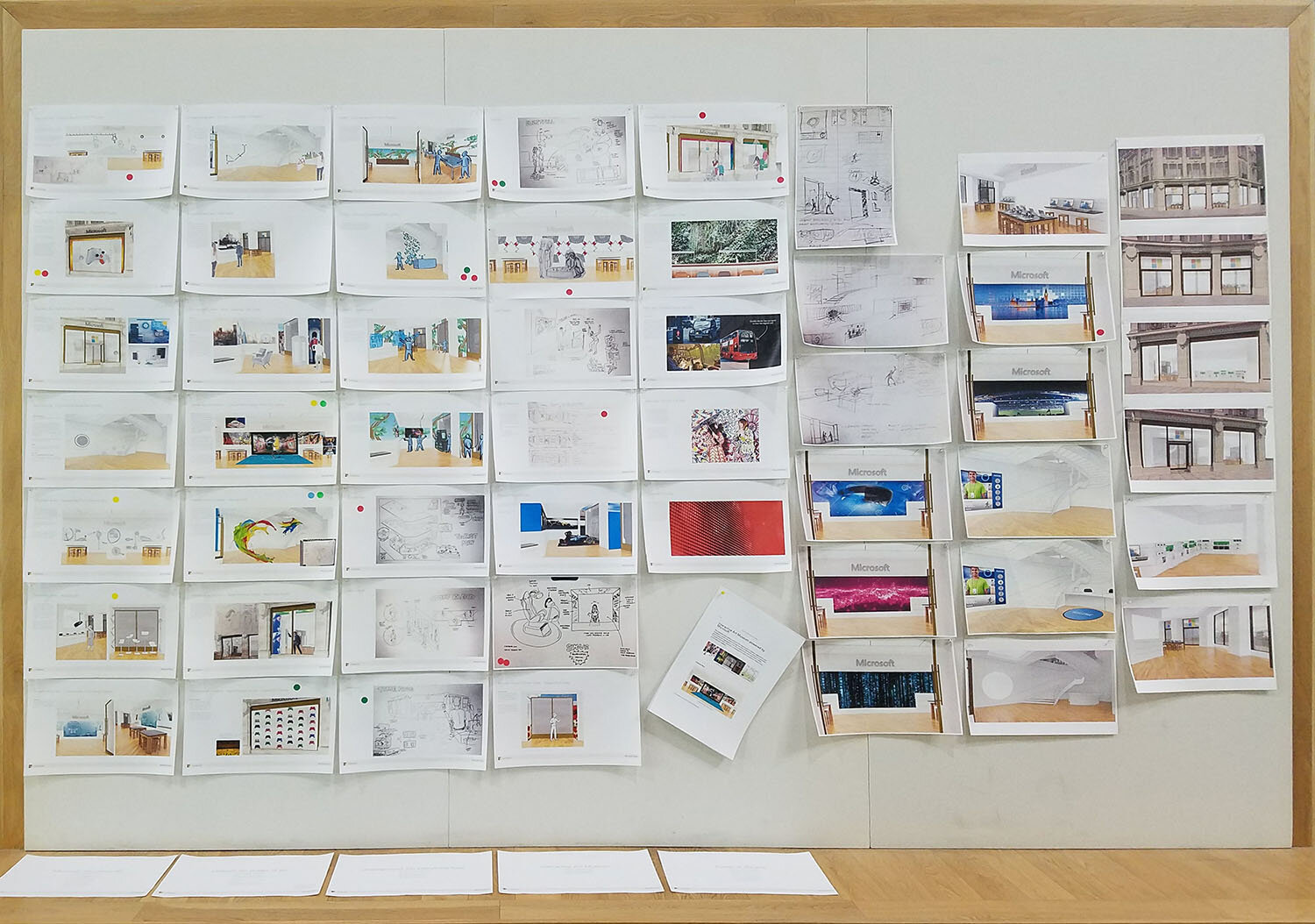
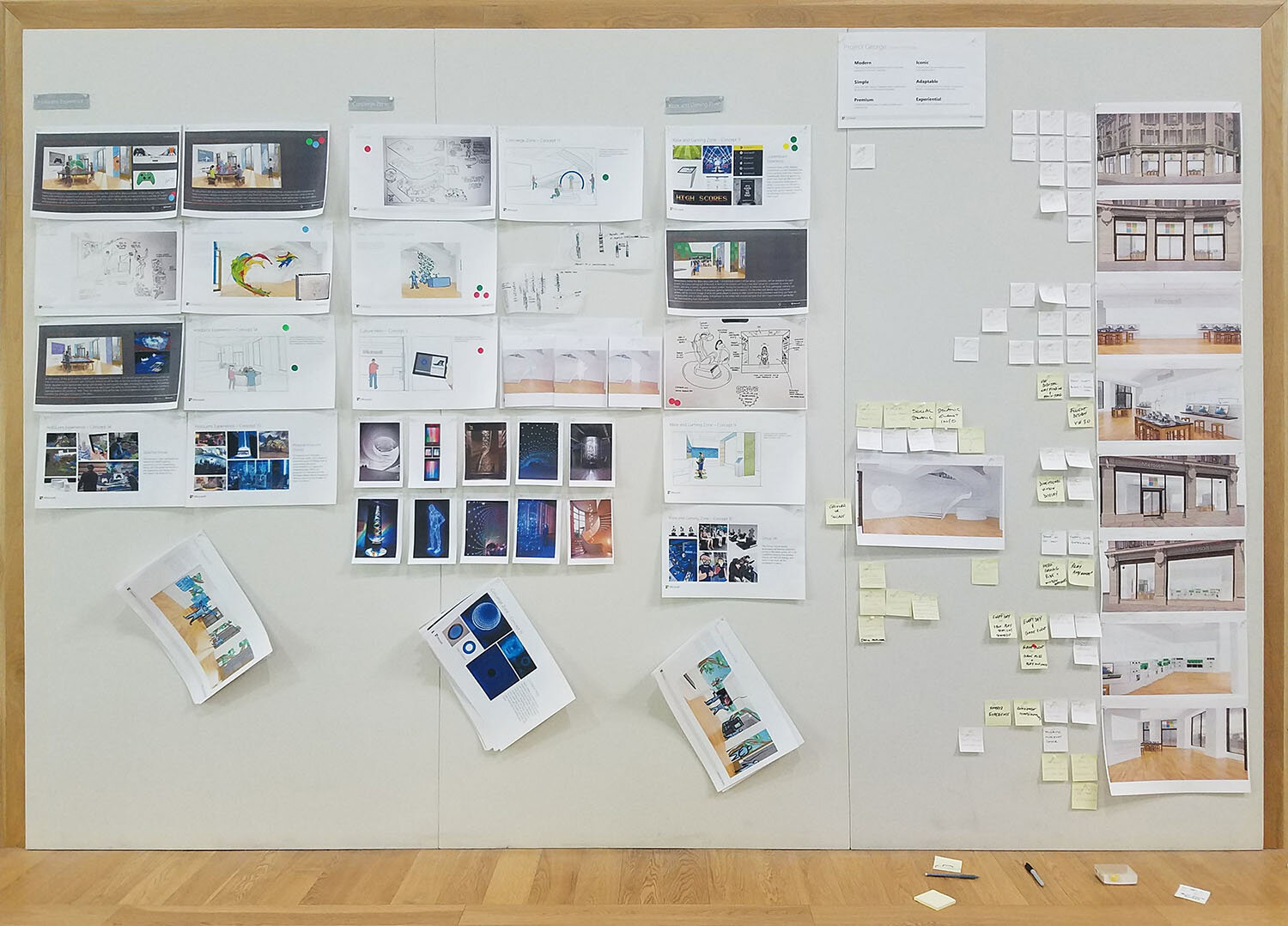
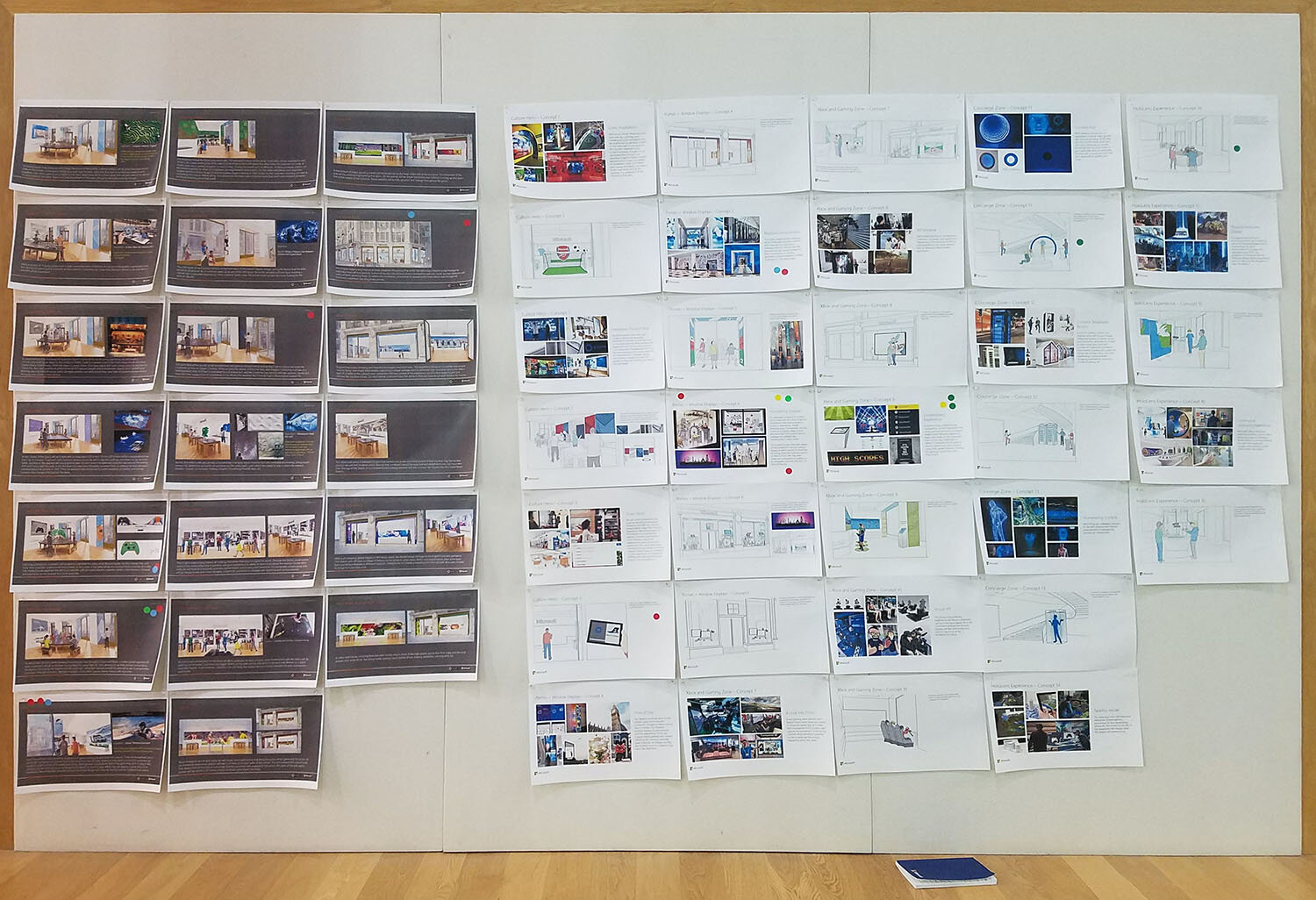
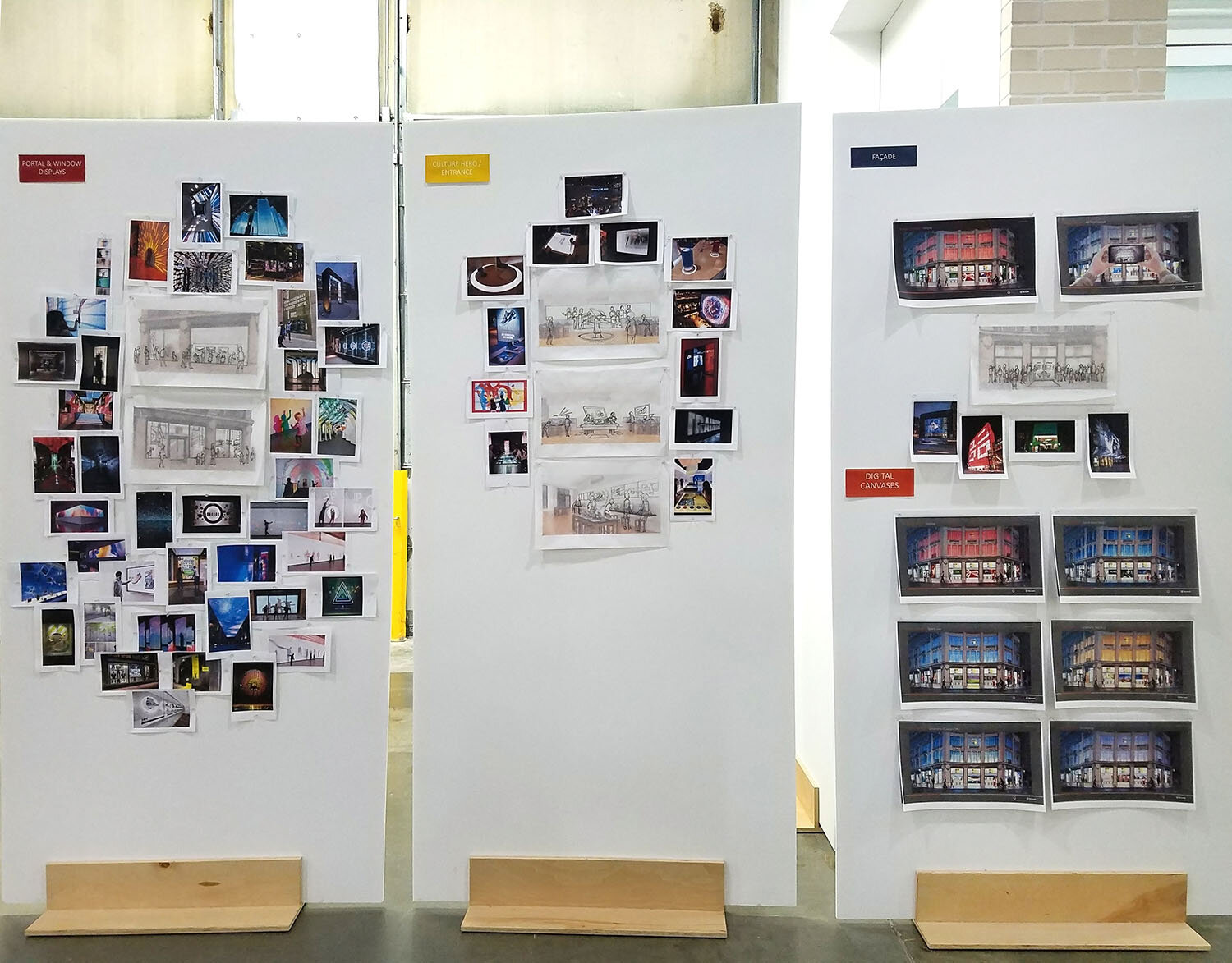
Ground floor opportunity zones

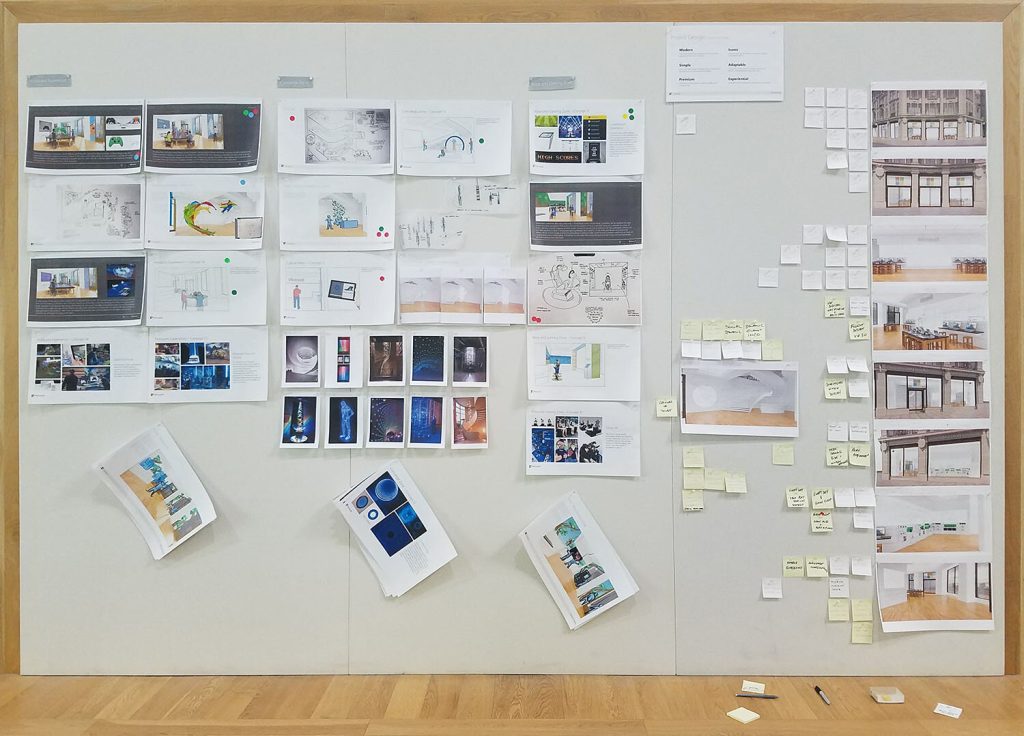
Turning a broad brief into a shared design language

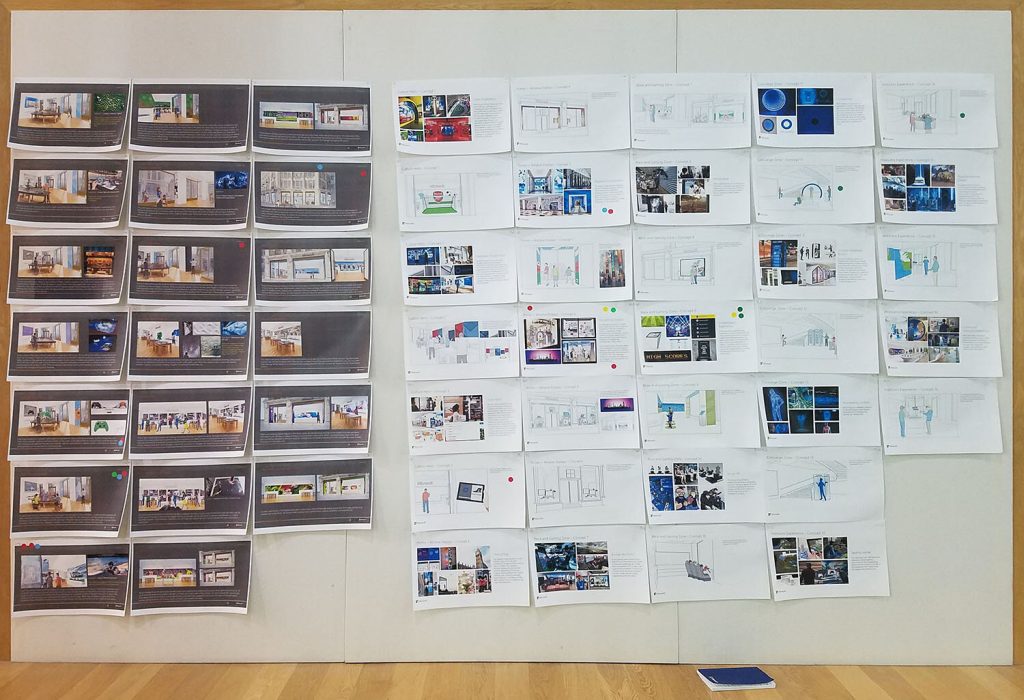
We mapped the ground-floor opportunity zones and moved through successive rounds of ideation and refinement. My direction brought the work back to six principles—modern, simple, premium, iconic, adaptable, and experiential—so the concepts could be judged as parts of one Microsoft experience. The goal was to make technology approachable while giving each zone a clear role in the customer journey.

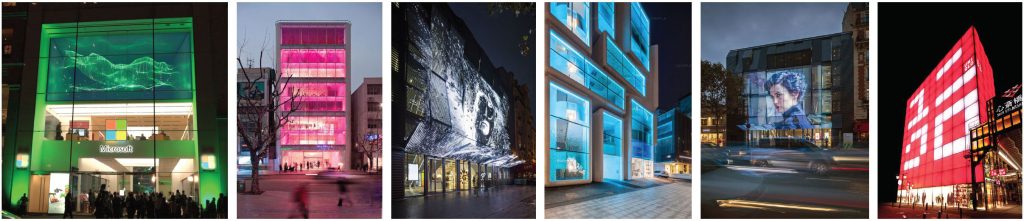
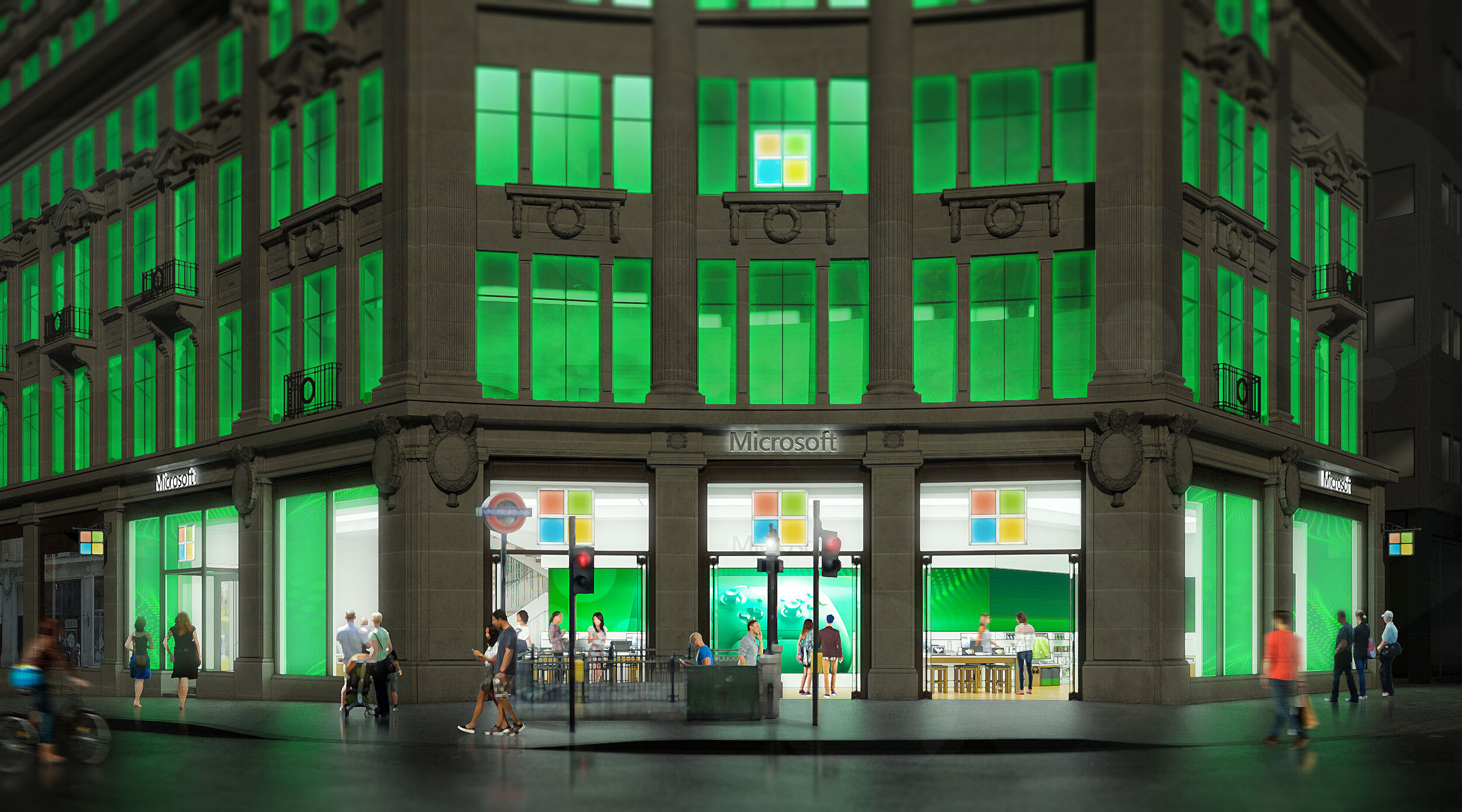
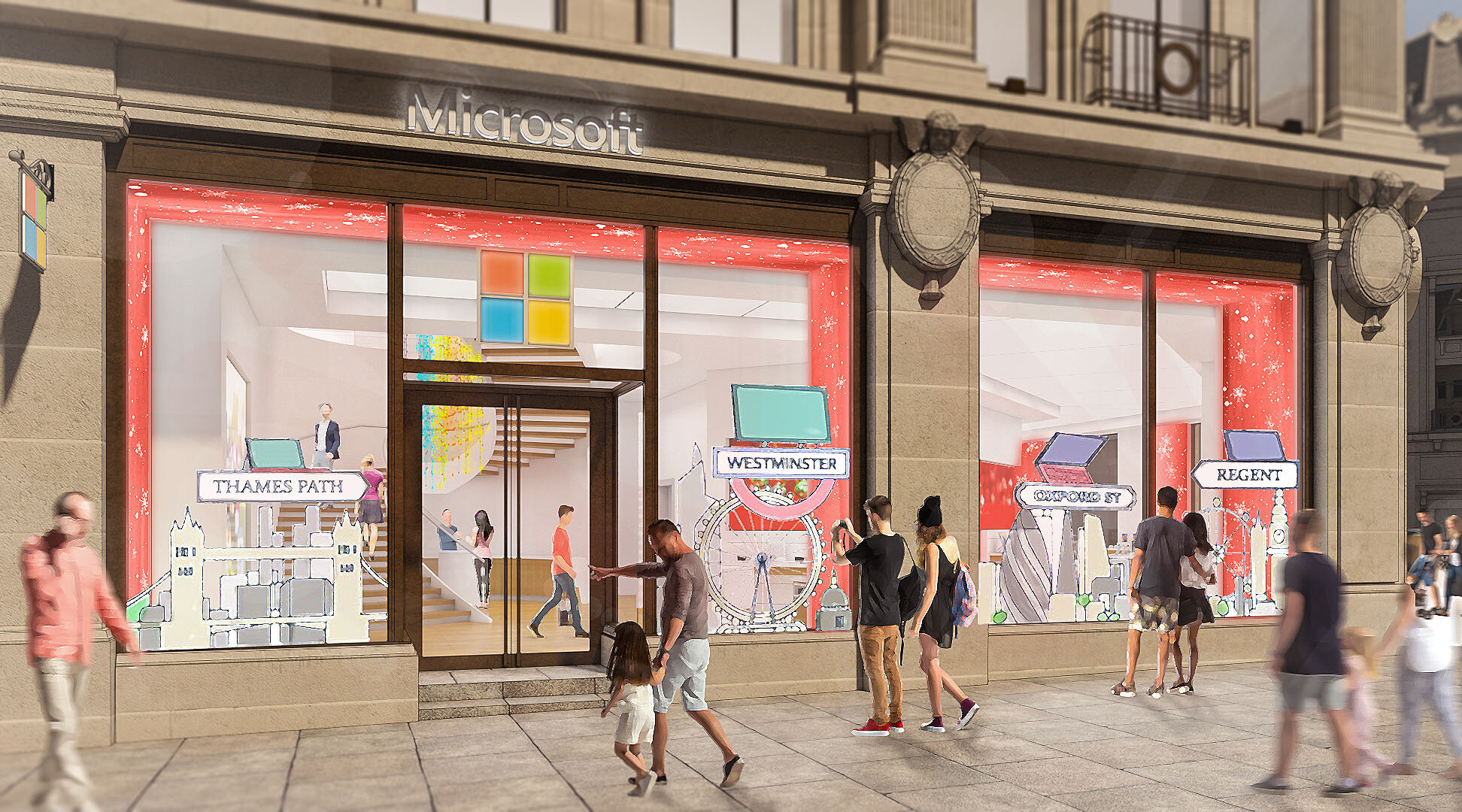
A façade that could respond to the city

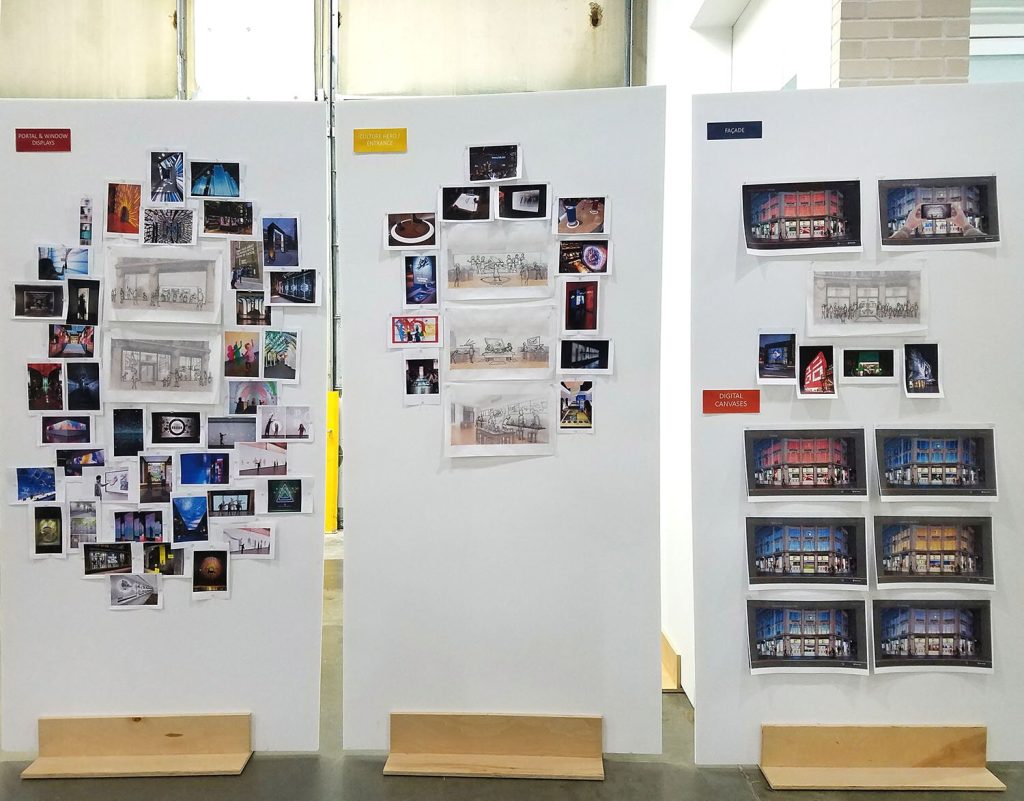
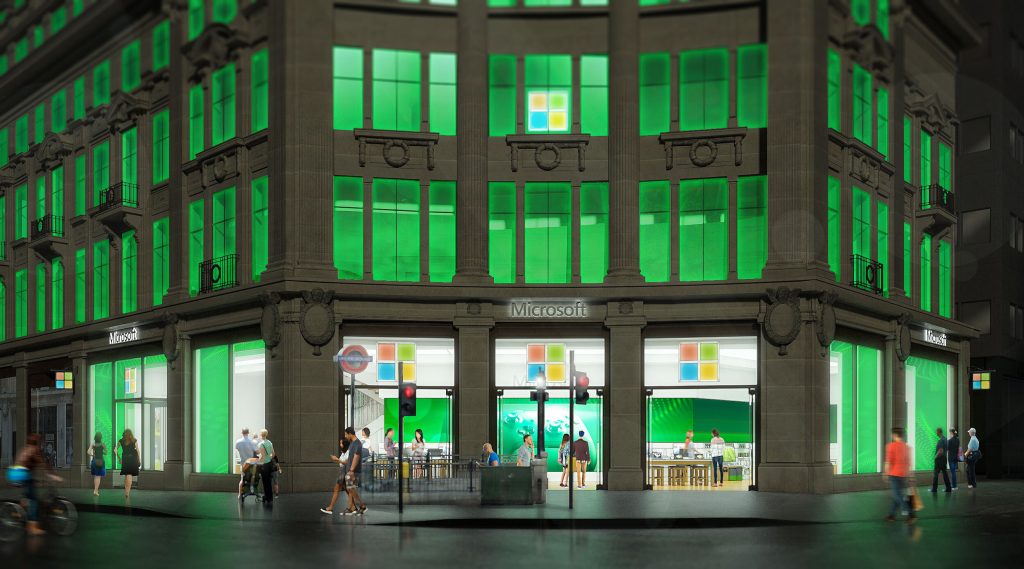
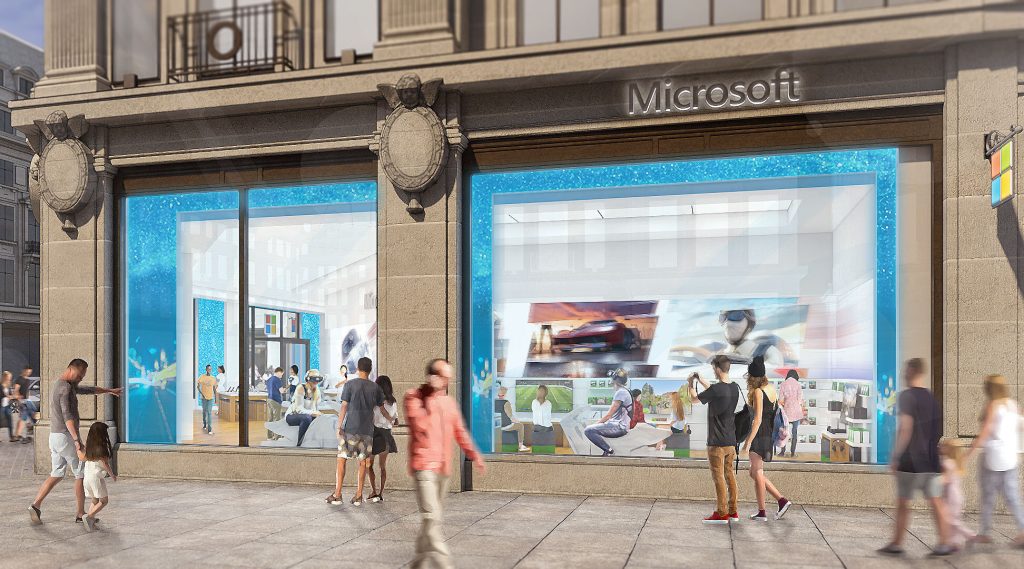
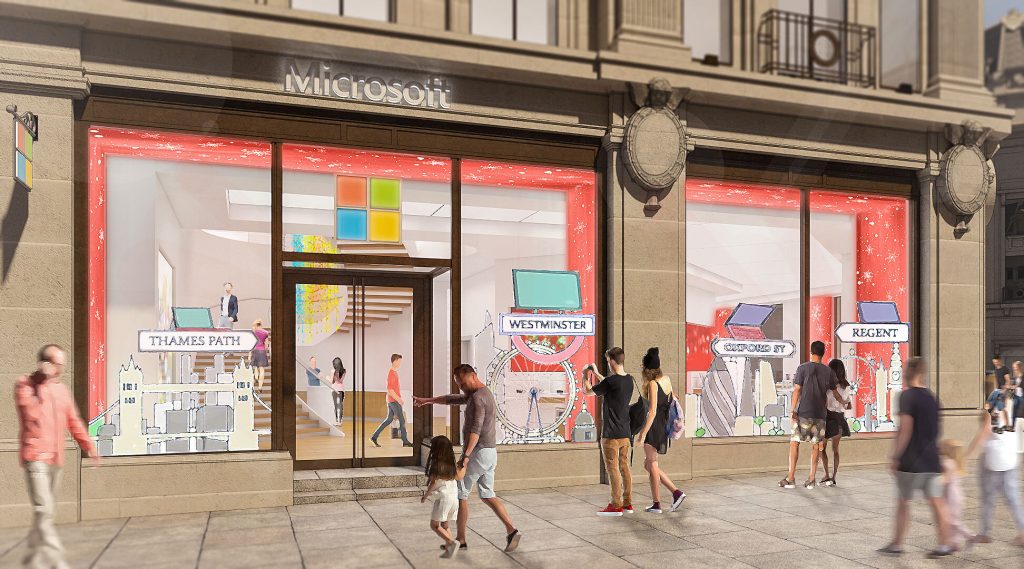
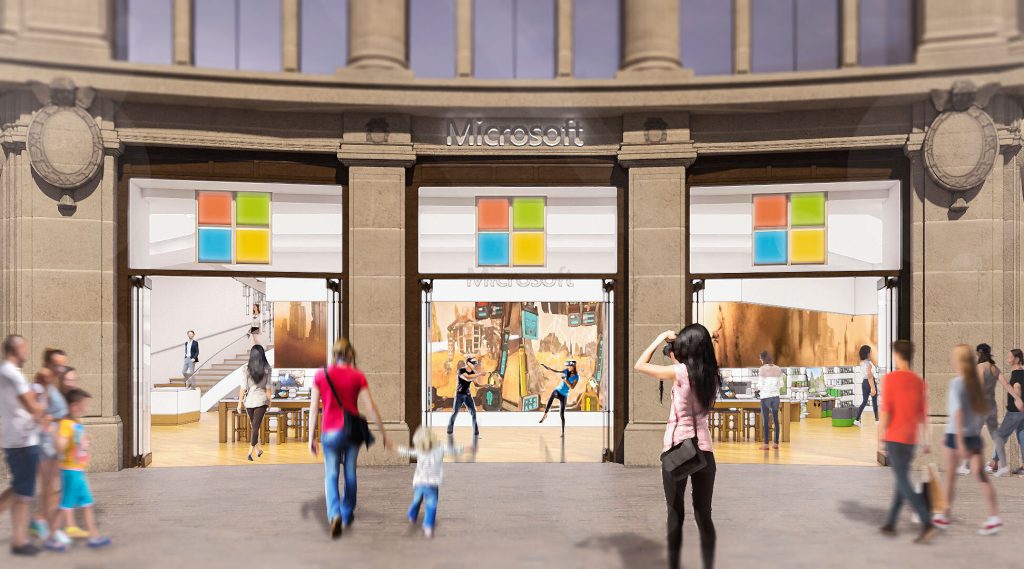
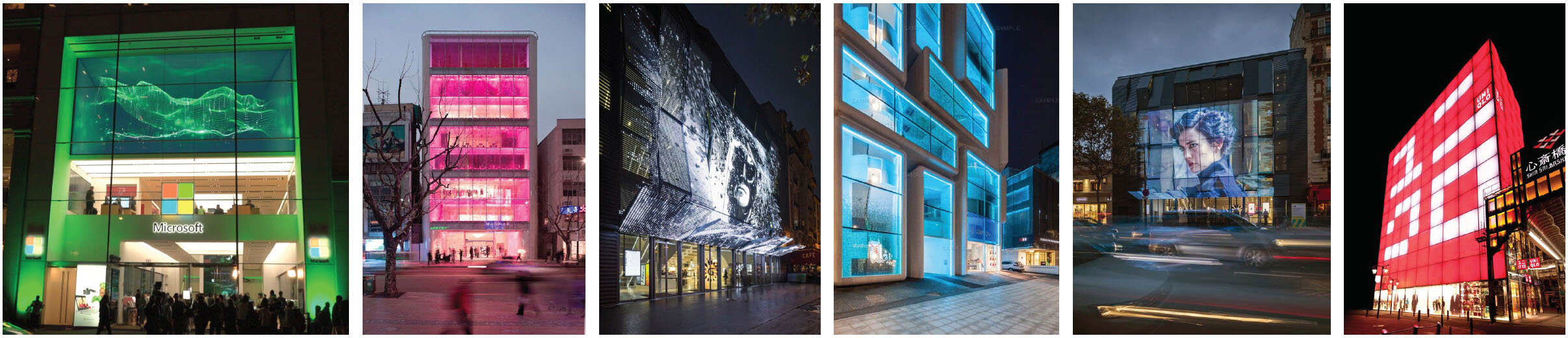
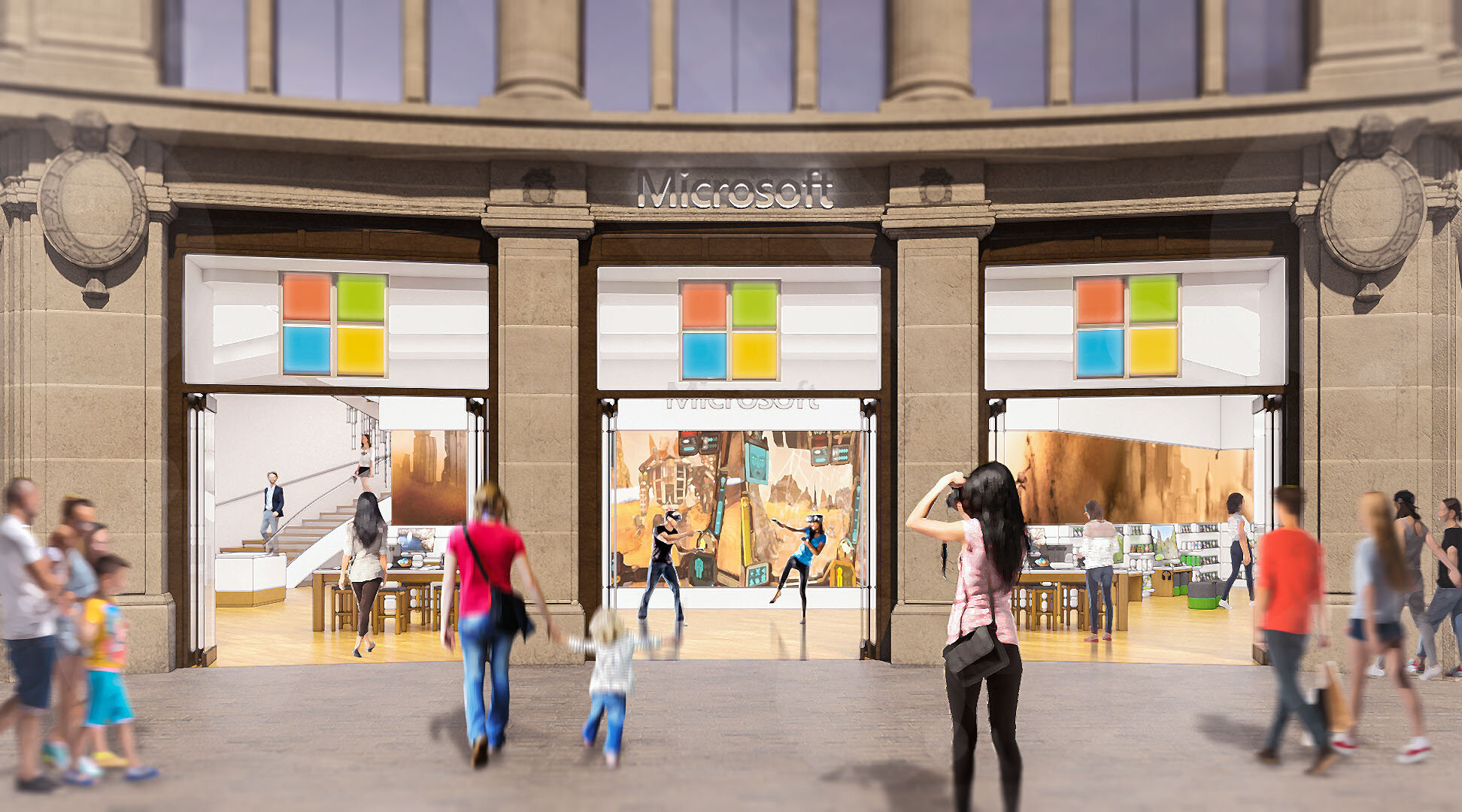
The exterior concepts treated the historic frontage as a flexible expression of Microsoft. Lighting and content could shift for seasonal campaigns, launches, and cultural moments while respecting the architectural constraints of the site. I directed the balance between a distinctive brand presence and the character of this London corner.

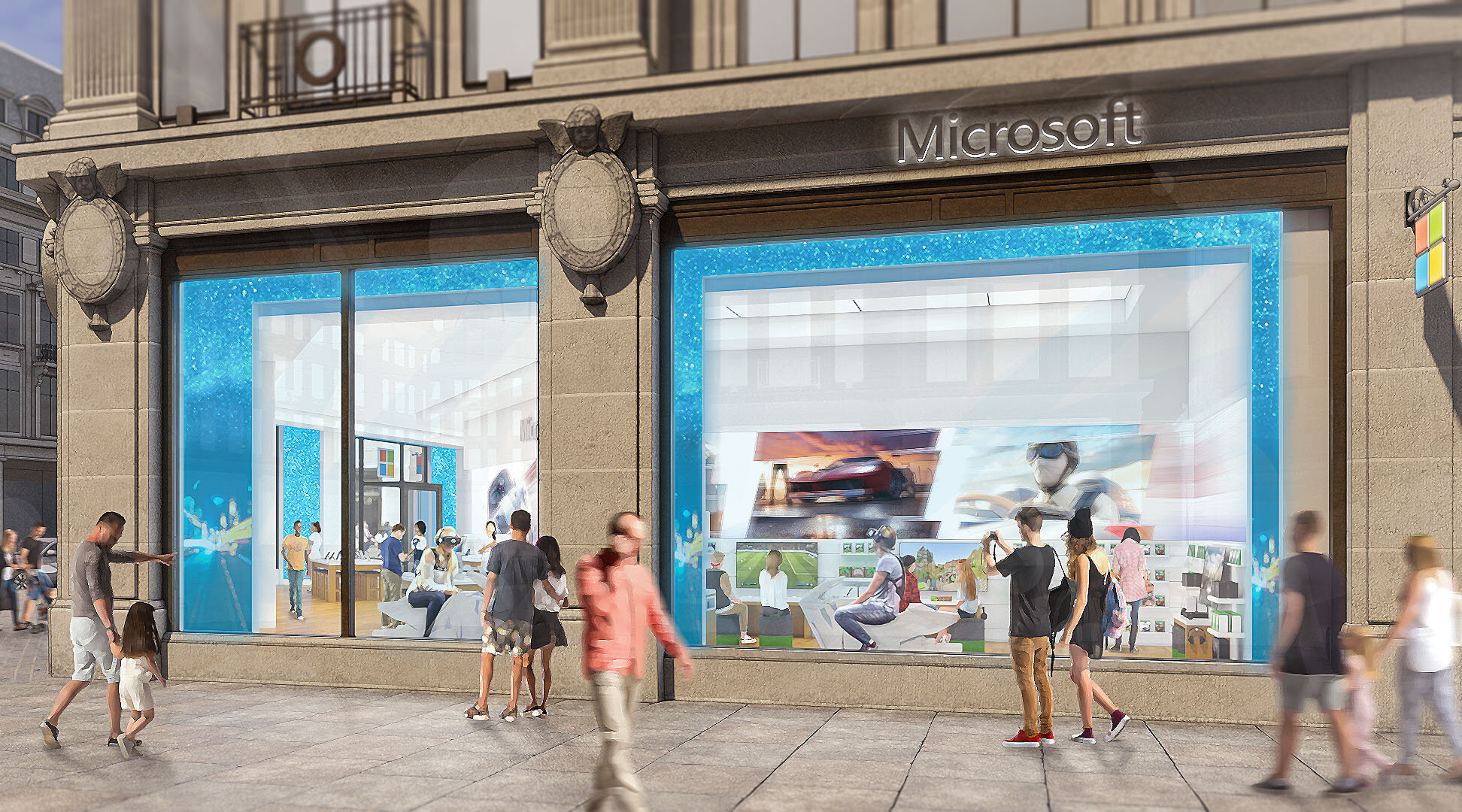
Digital portals that invited people in

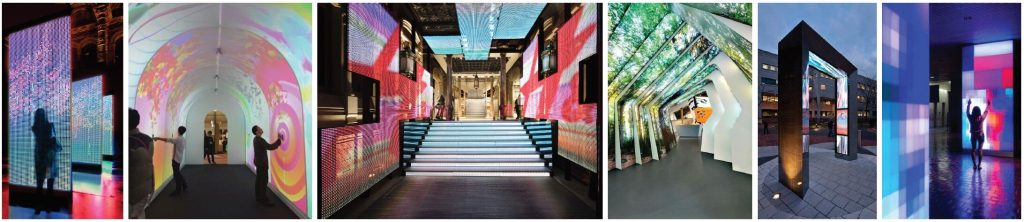
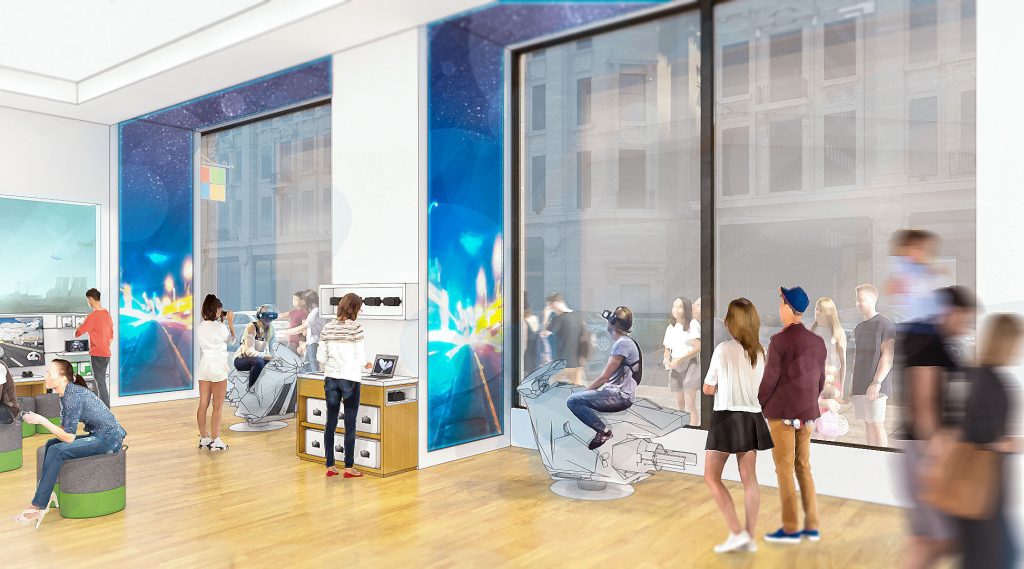
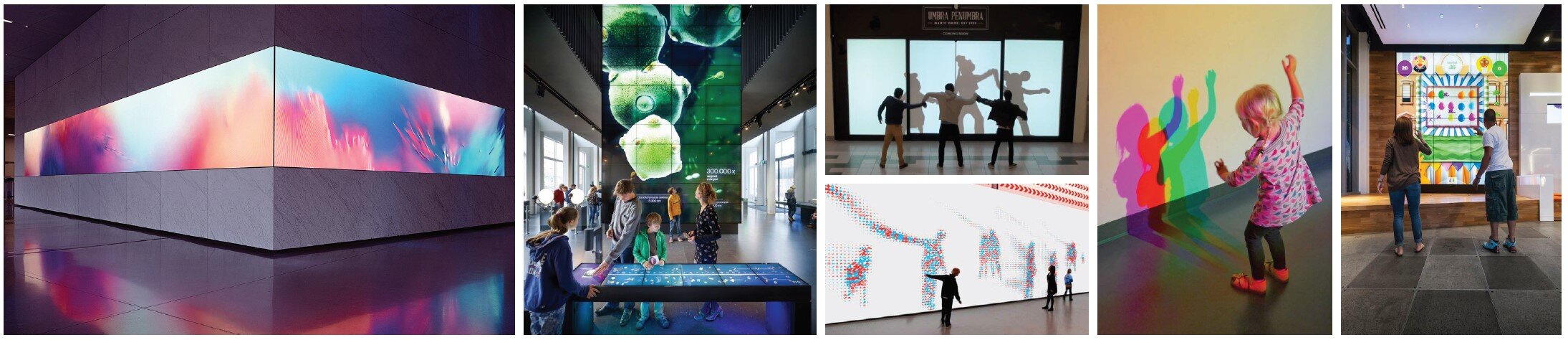
The windows became active thresholds between street and store. We explored digital portals that could preview experiences inside and adapt to gaming, mixed reality, product launches, and seasonal stories. I pushed for a storefront that made the experience visible from both Oxford Street and Regent Street, rather than relying on static display alone.

A hero stage built for changing moments

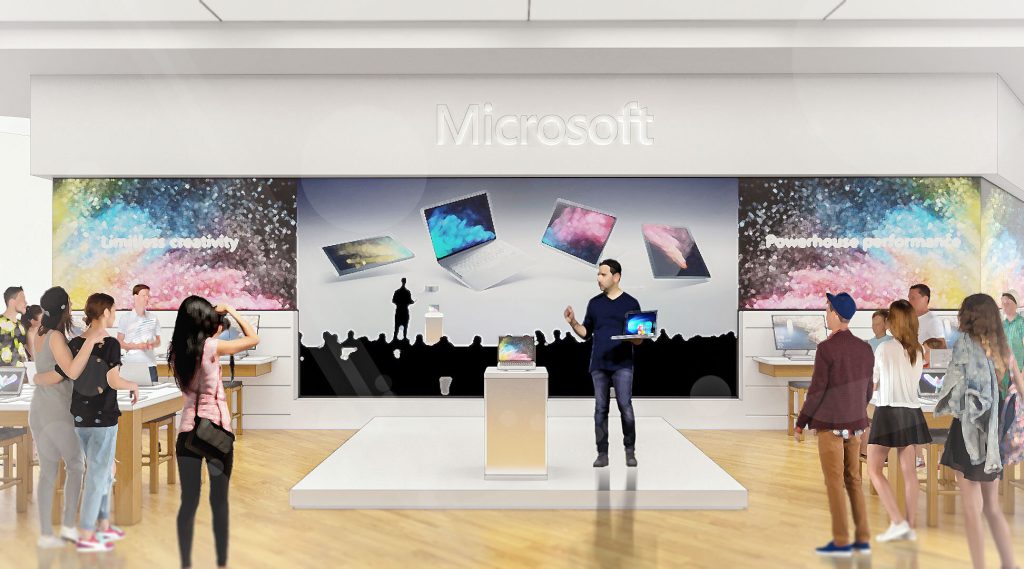
At the meeting point of the two streets, the entrance hero stage was conceived as a flexible platform for first-party products, events, and London stories. I directed explorations of scale, sightlines, media, and modularity so this prominent zone could change purpose without losing a coherent identity. The concept made the first steps into the store feel like an invitation to participate.

Making gaming visible and social

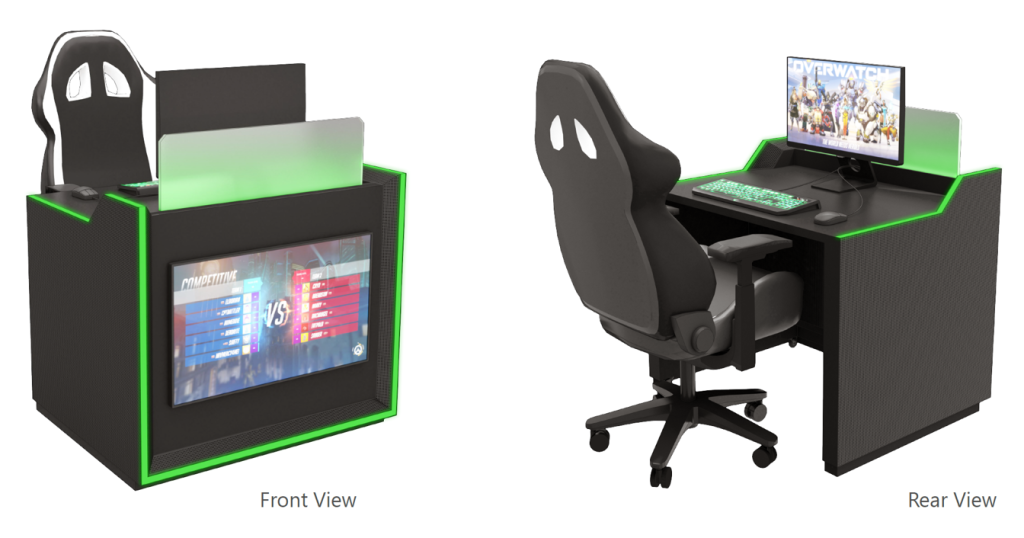
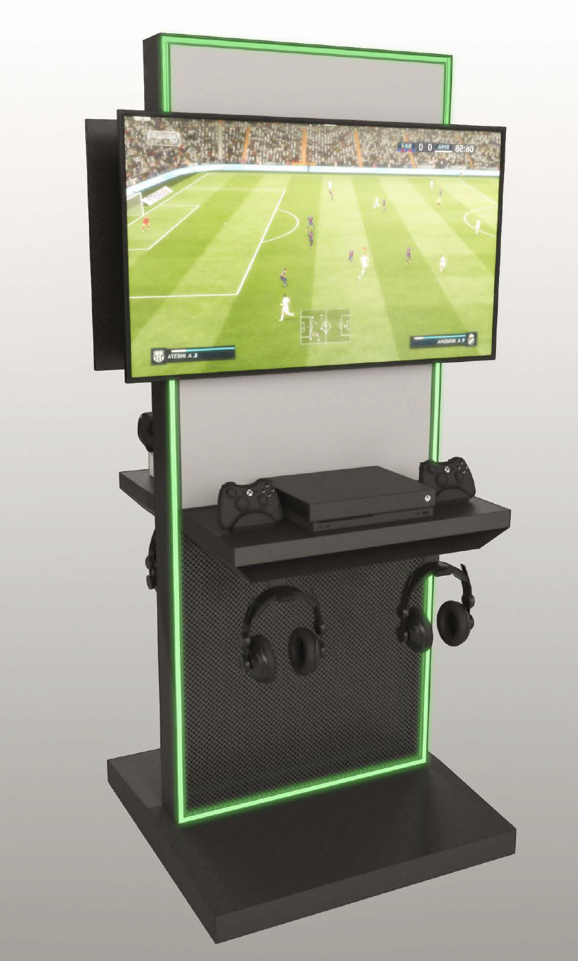
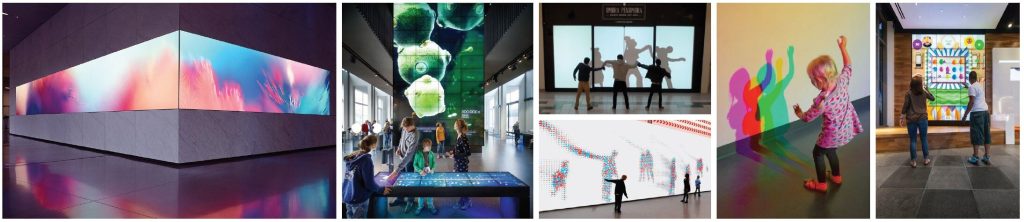
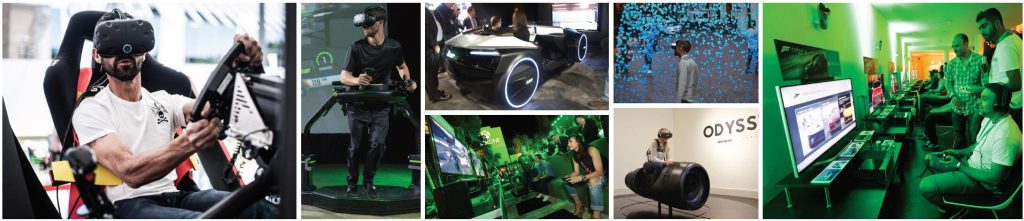
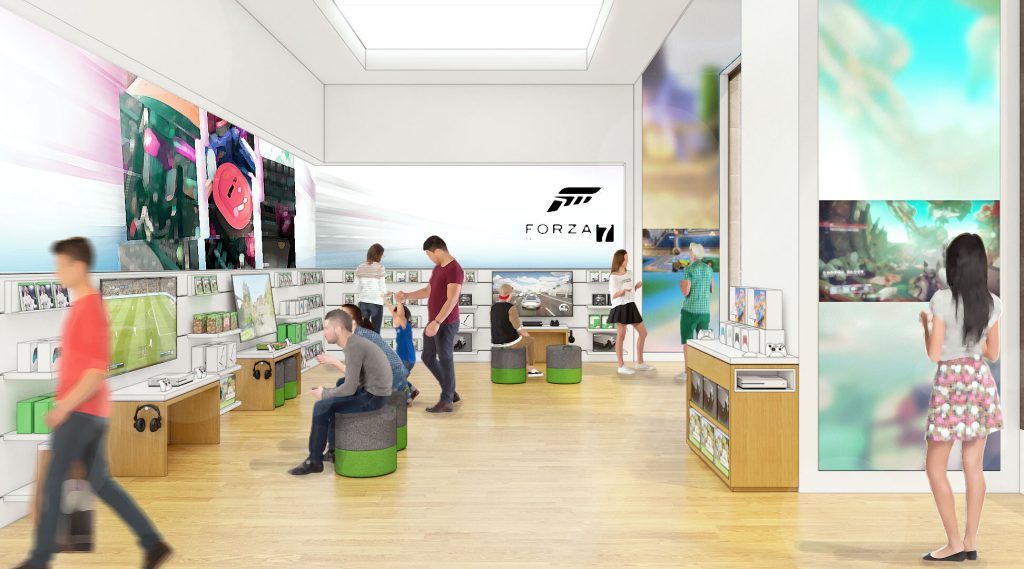
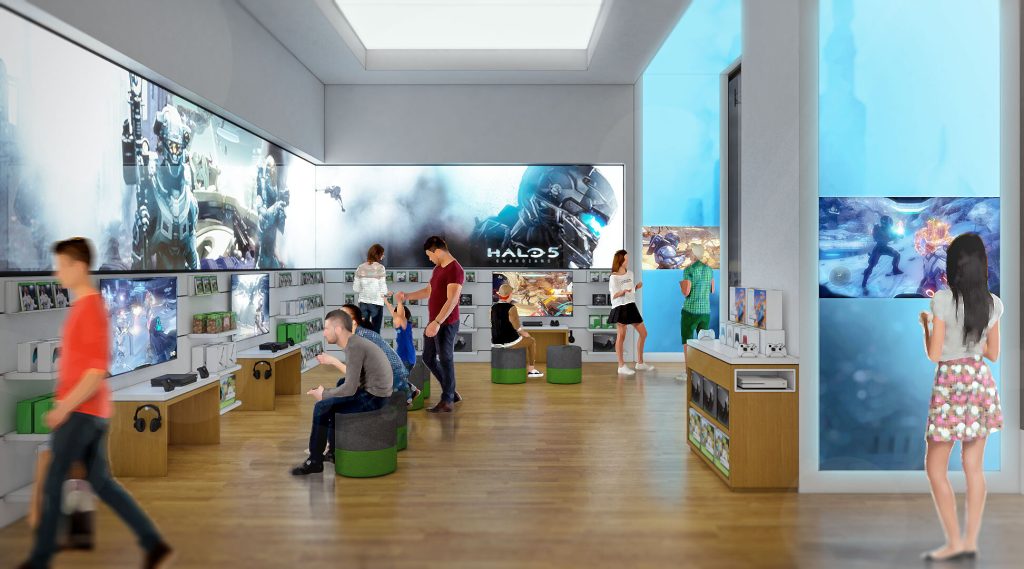
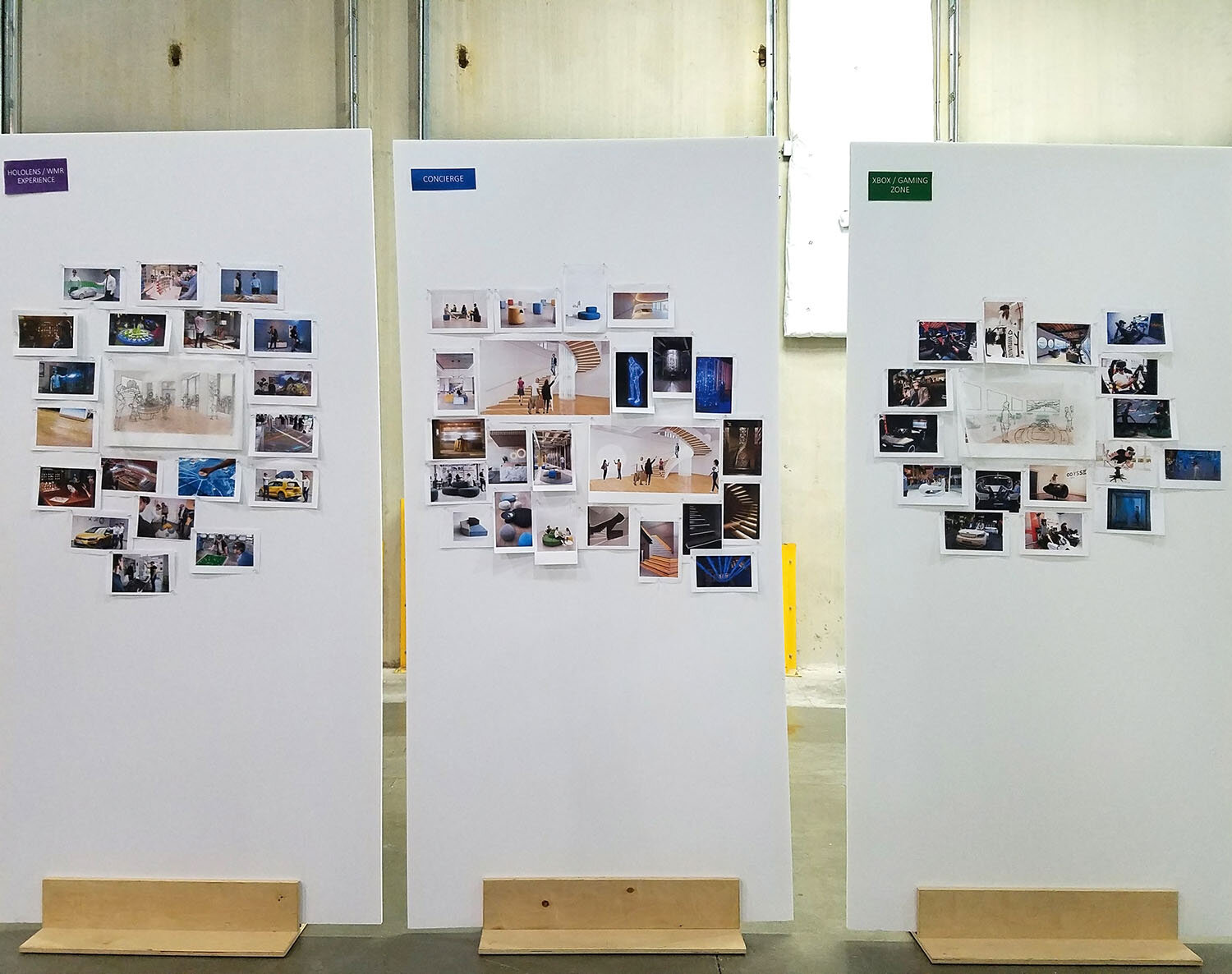
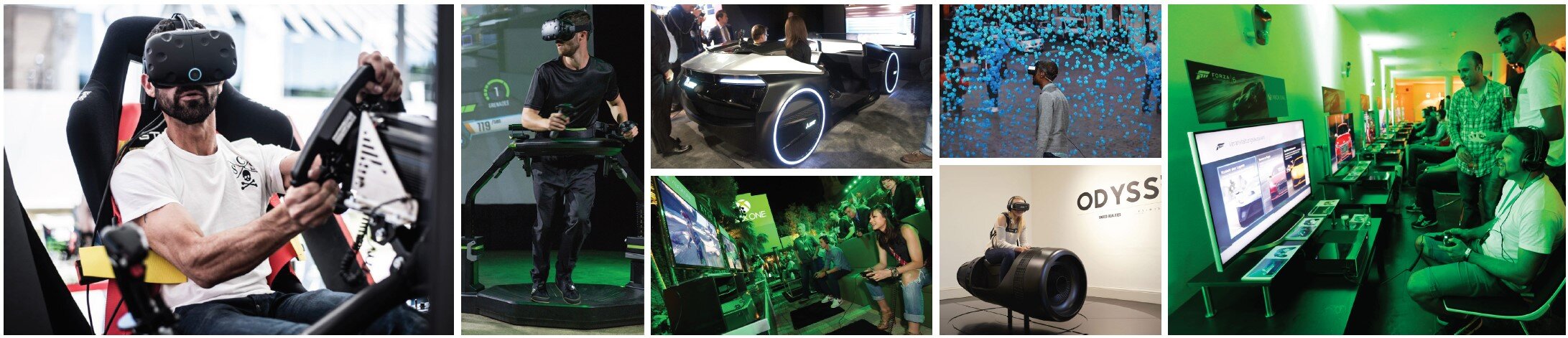
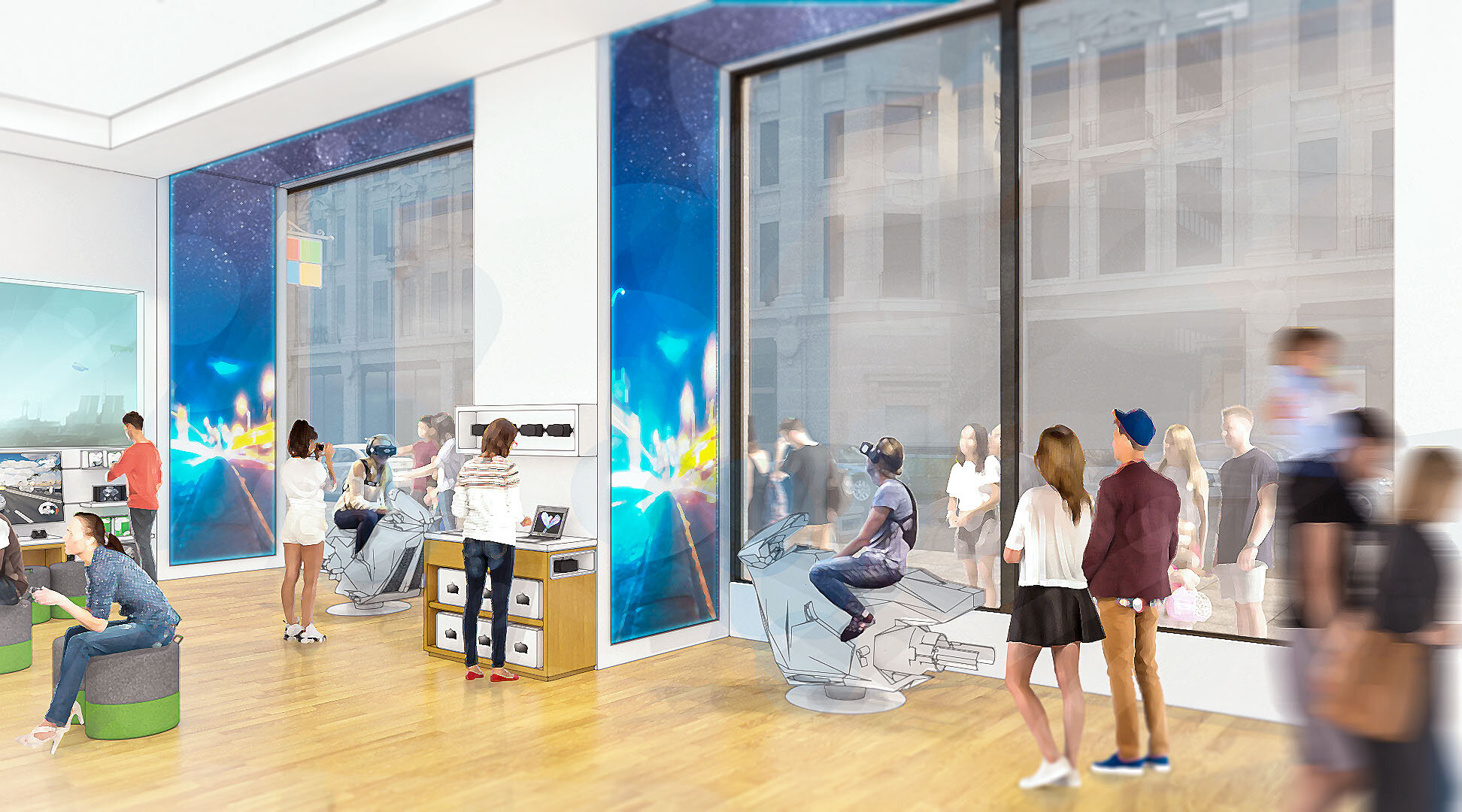
The game zone brought Xbox and Windows Mixed Reality into a more public retail setting. We explored large-format 4K HDR play, Xbox Play Anywhere, and shared VR rides that could engage people watching as well as those playing. My design direction focused on turning product demonstration into a lively, legible experience for the whole floor.

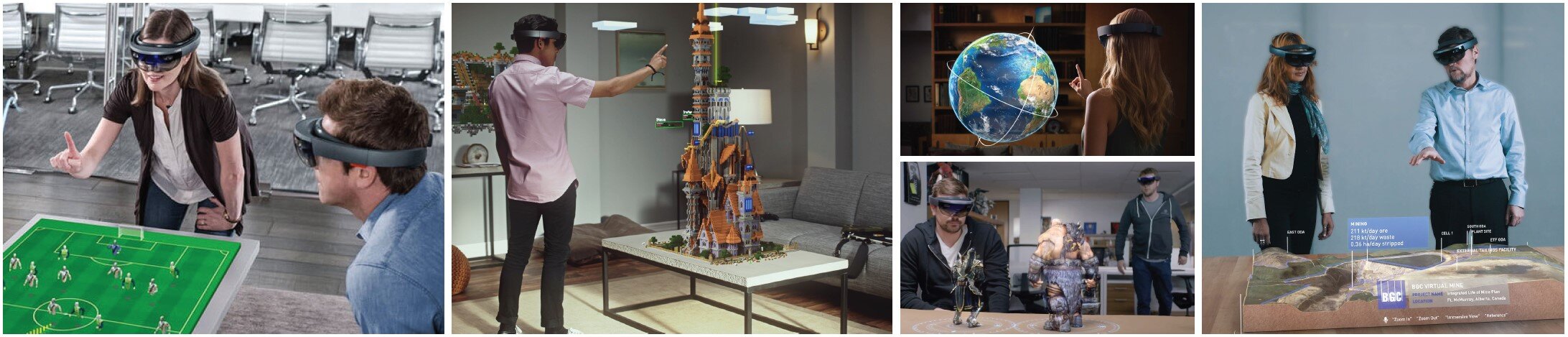
Mixed reality people could understand together

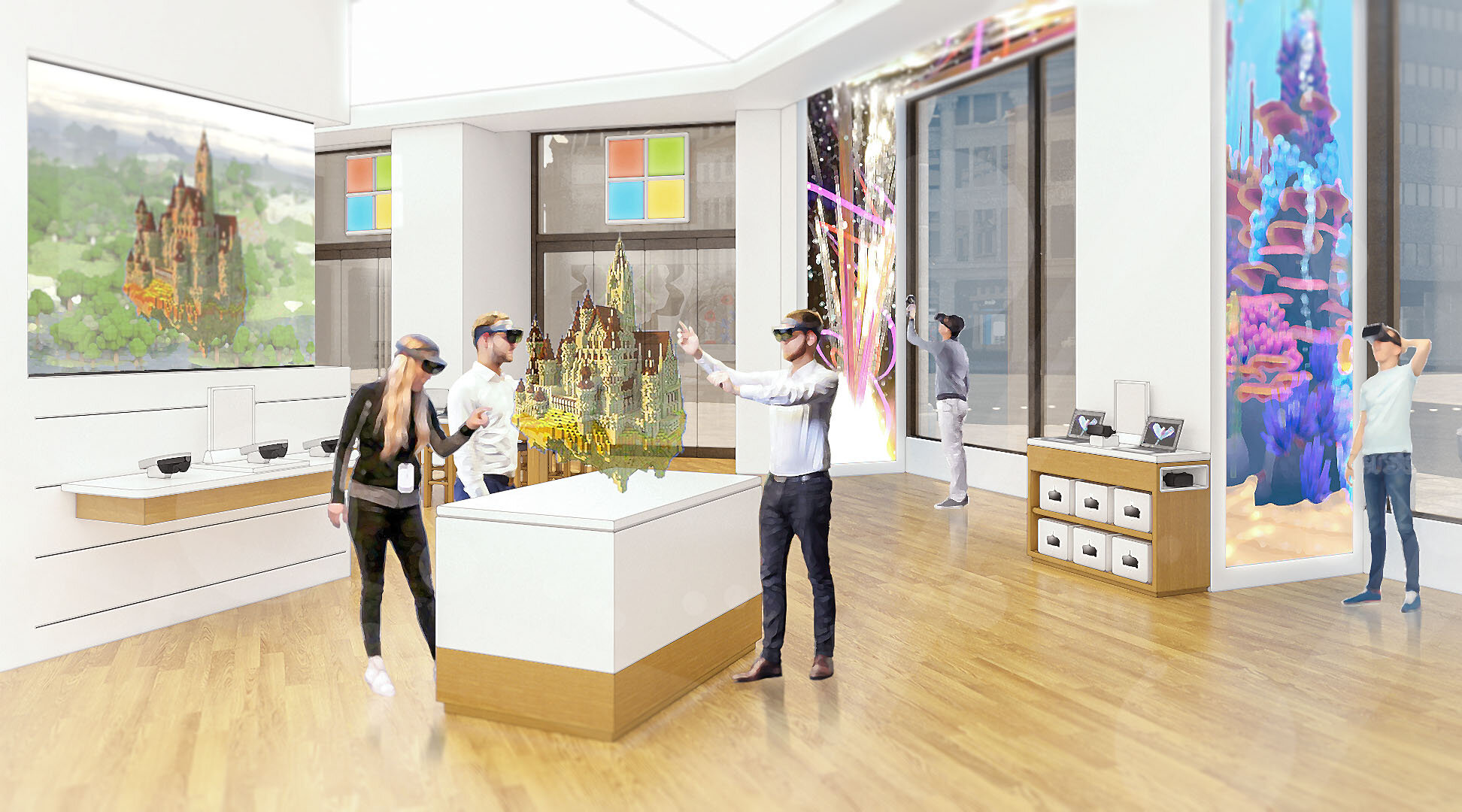
HoloLens and Windows Mixed Reality concepts paired hands-on demos with mirrored content on surrounding walls and portals. That let visitors see what someone in a headset was experiencing and made an unfamiliar technology easier to grasp. I guided the team toward accessible, social demonstrations that connected emerging technology to the broader store experience.

Mixed reality experience moodboard

HoloLens experience concept

A human path through a complex store

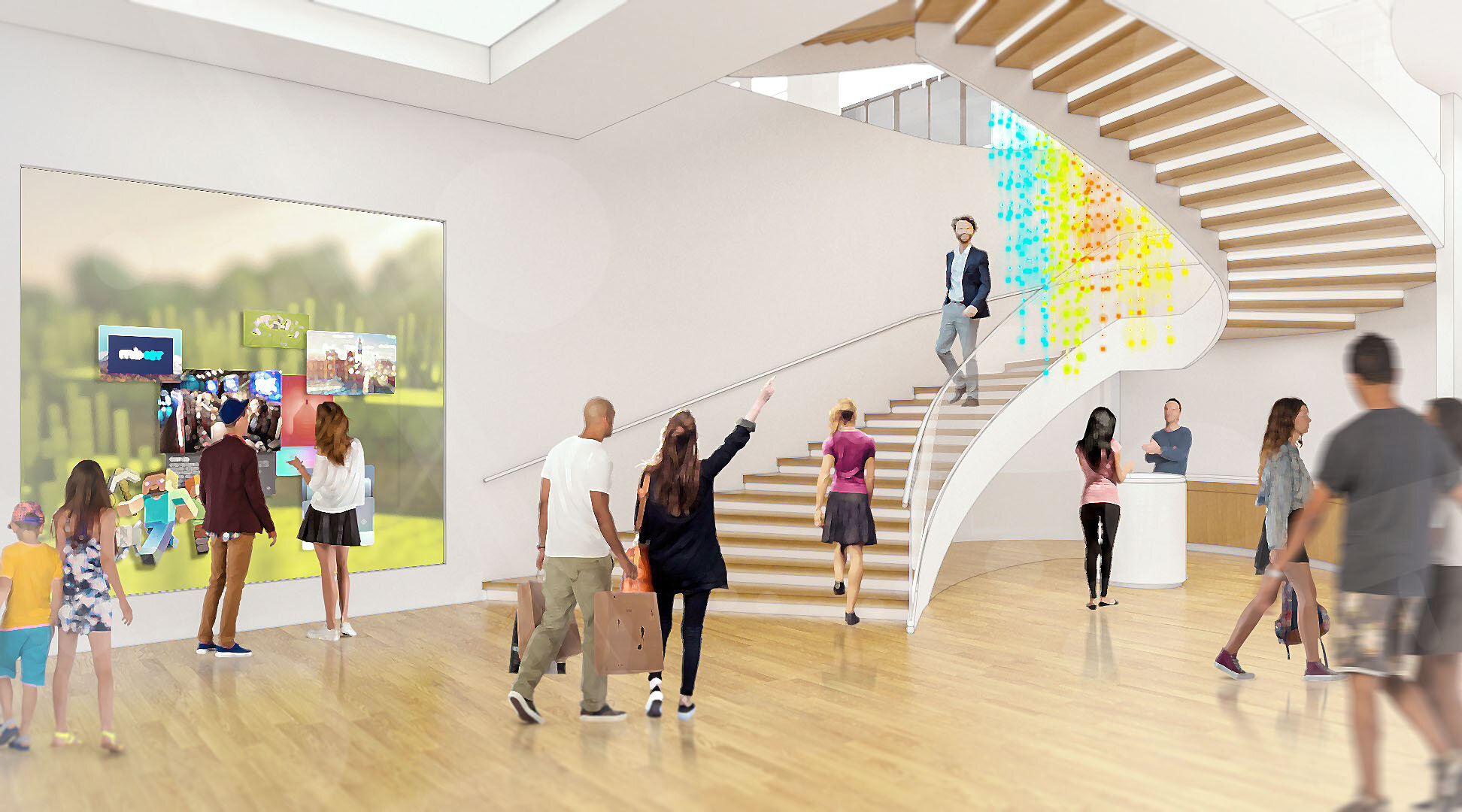
A digital directory and concierge point were conceived together near the staircase. Touch interaction, conversational assistance, and a real person could help visitors orient themselves, find the right experience, and continue to the upper floors. I led the strategy for wayfinding as a service moment, with digital and human help reinforcing each other.

Directory and concierge concept moodboard

Digital directory and concierge concept

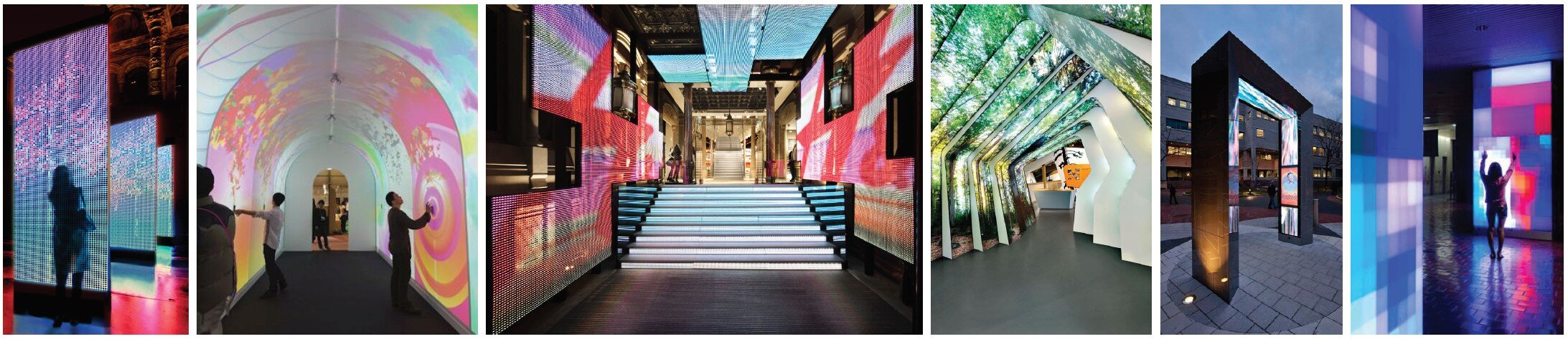
Connecting the floors with light and motion

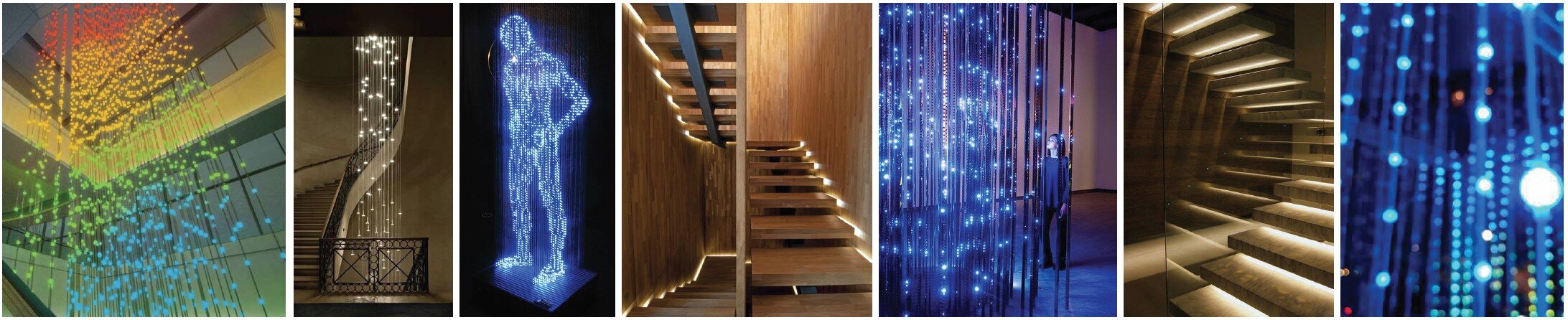
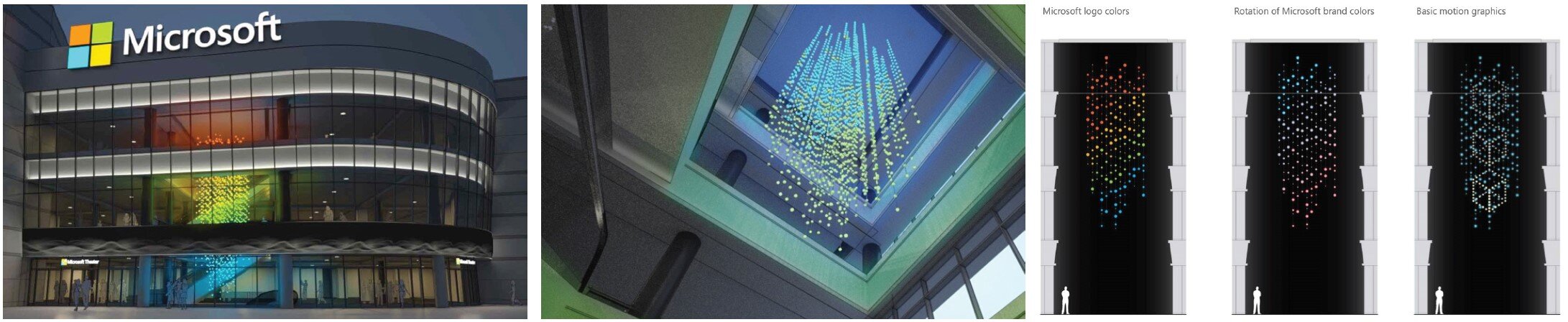
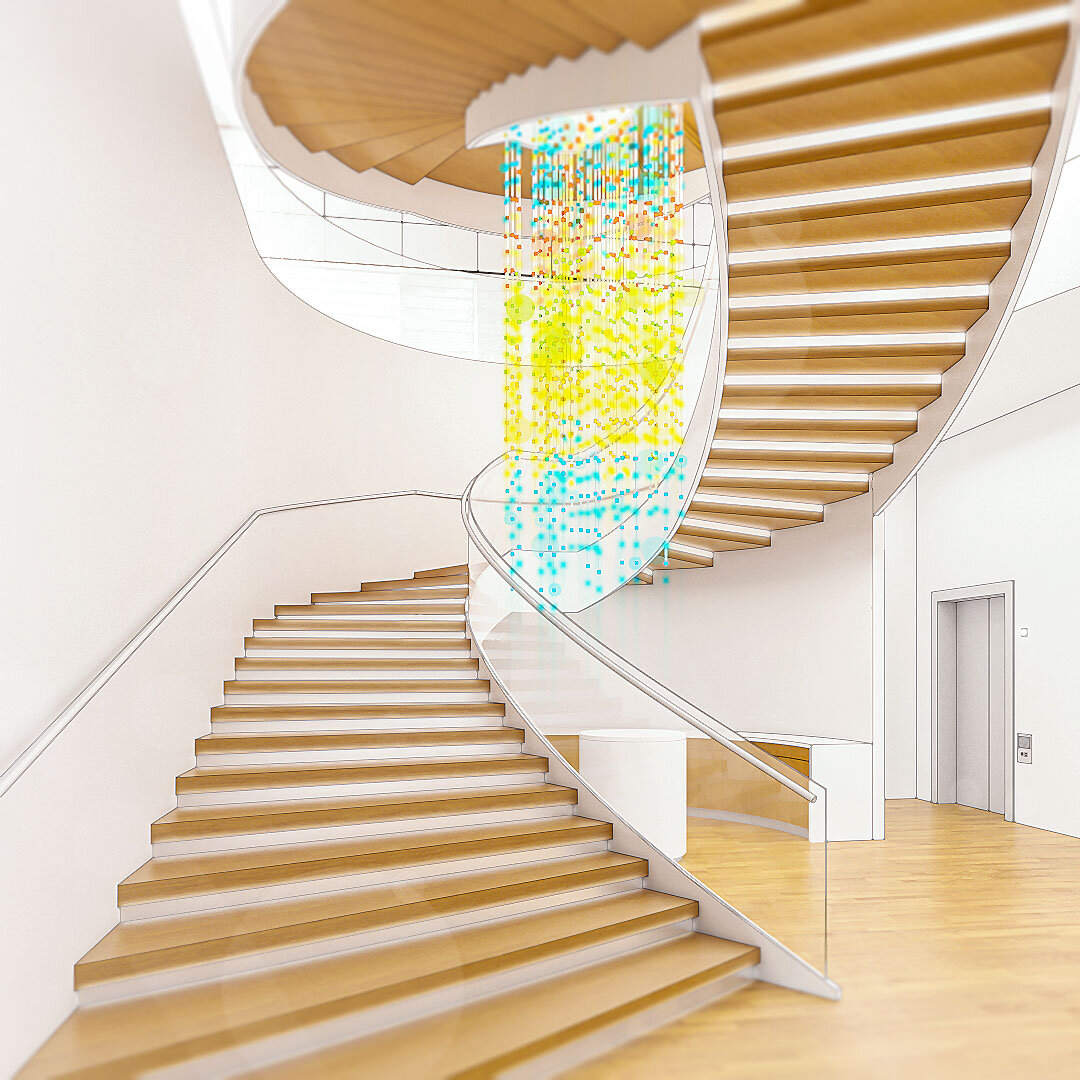
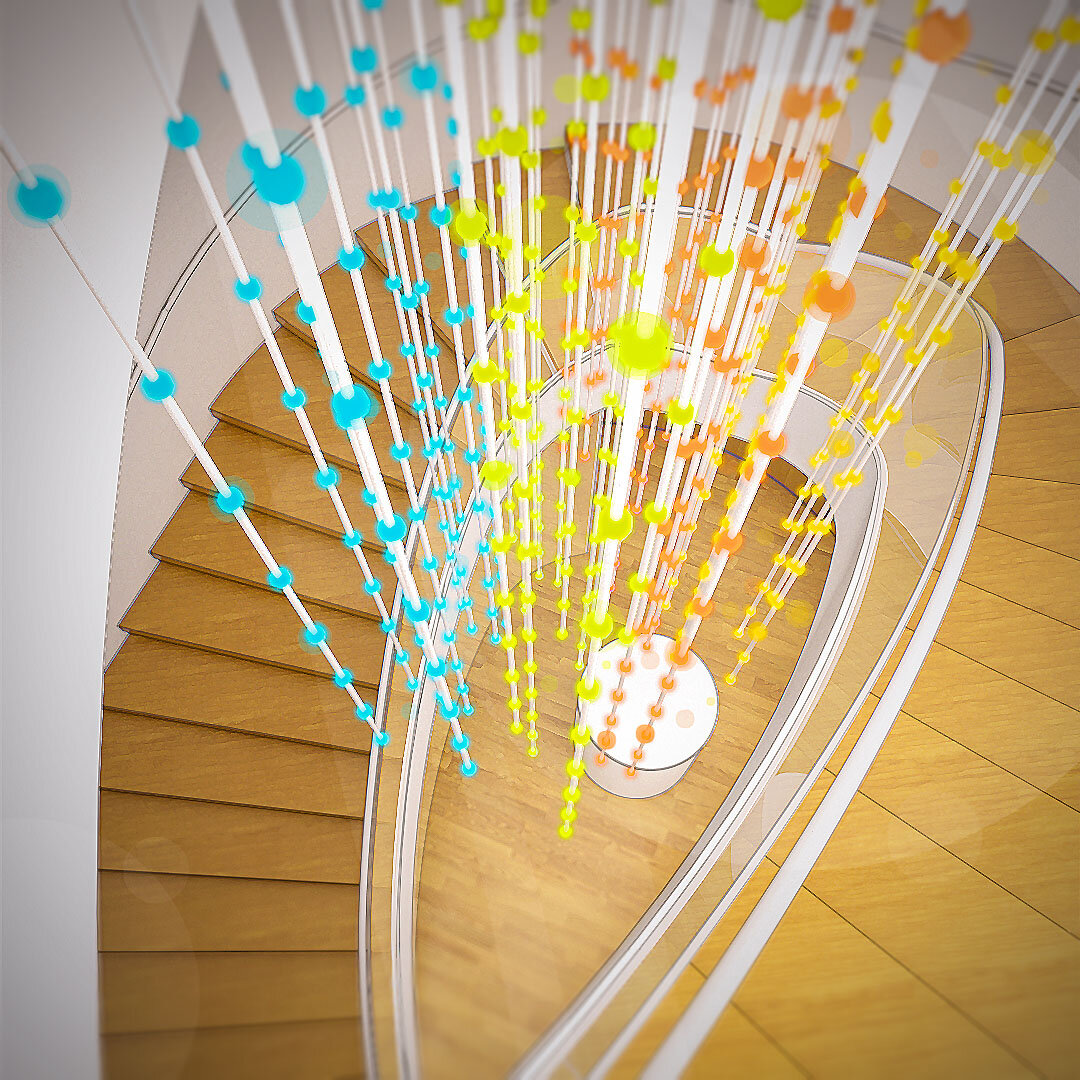
The digital chandelier exploration gave the vertical journey a recognizable center. Building on an idea developed by colleagues for the Microsoft Theater in Los Angeles, we considered programmable light, brand color, and motion that could draw people upward through the store. I directed how that shared concept might serve this London environment and personally explored its spatial expression.

Digital chandelier light and motion exploration

Digital chandelier concept exploration one

Digital chandelier concept exploration two

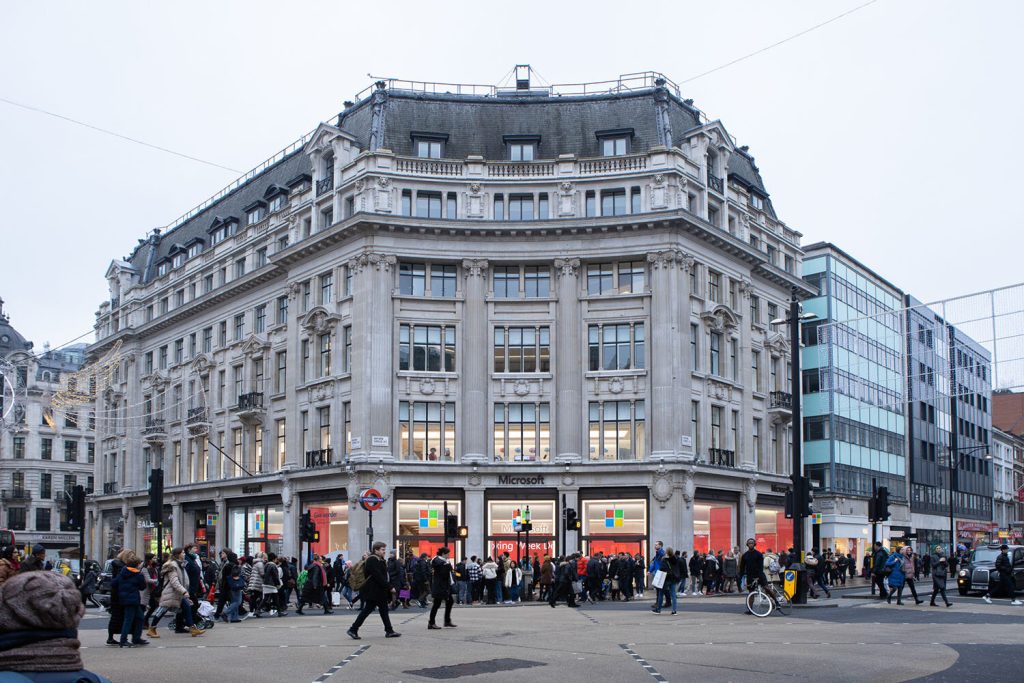
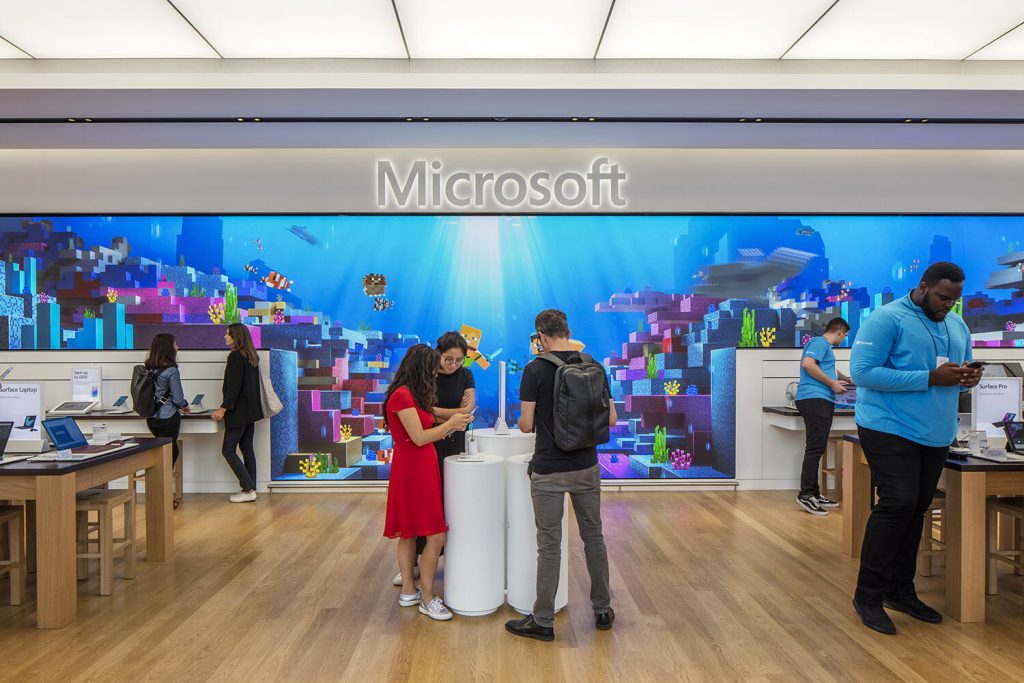
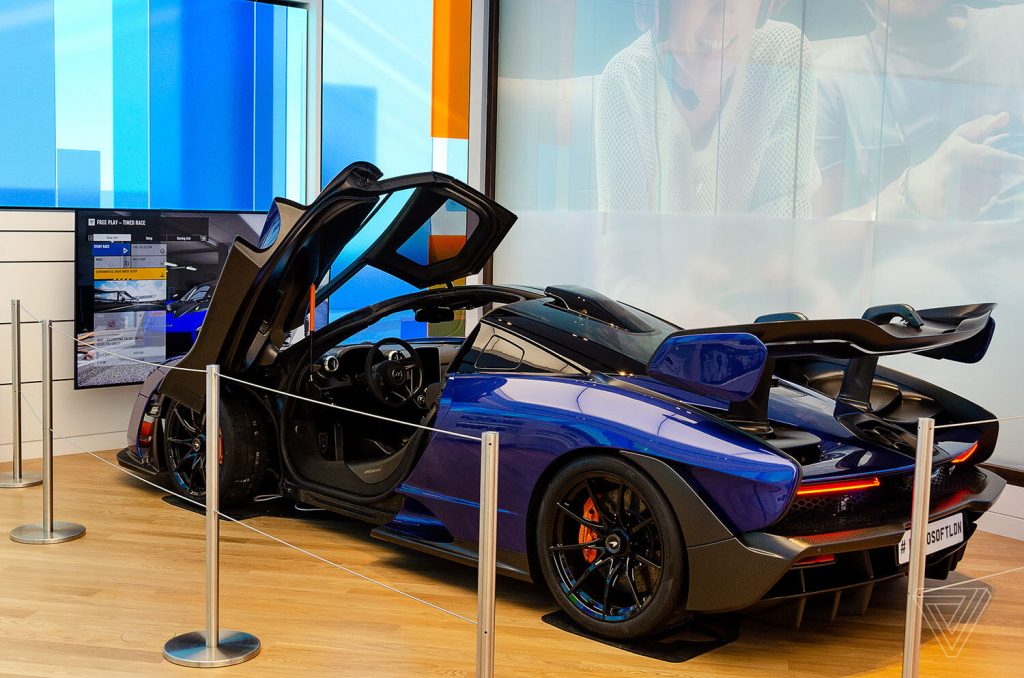
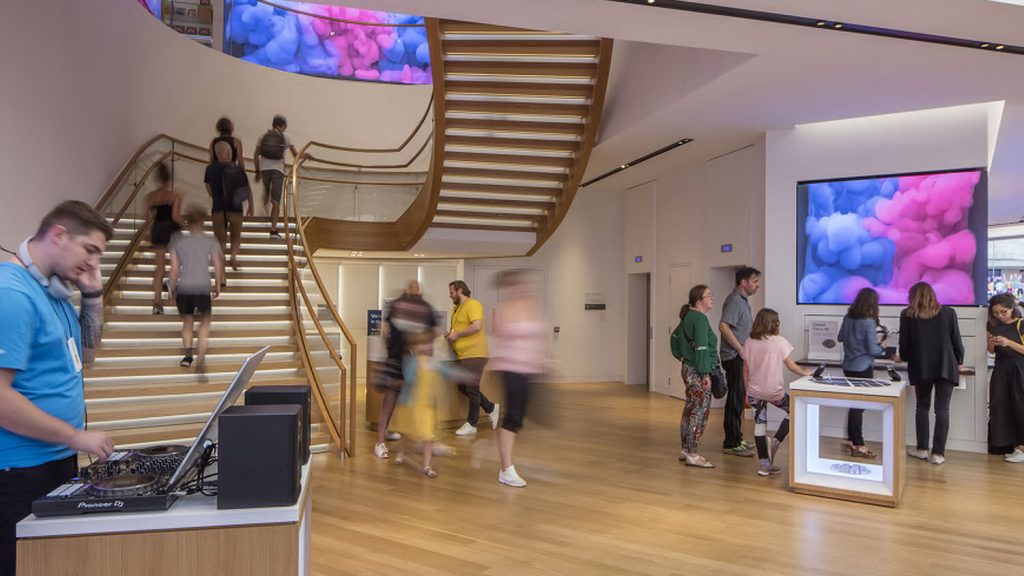
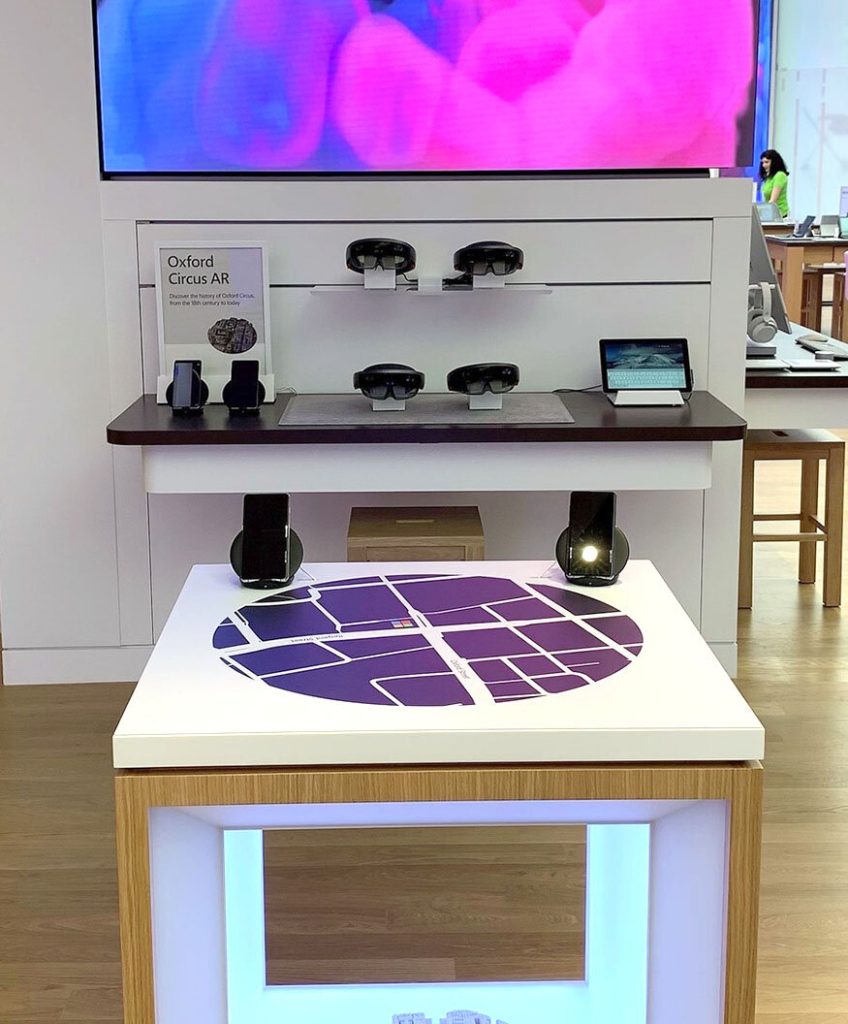
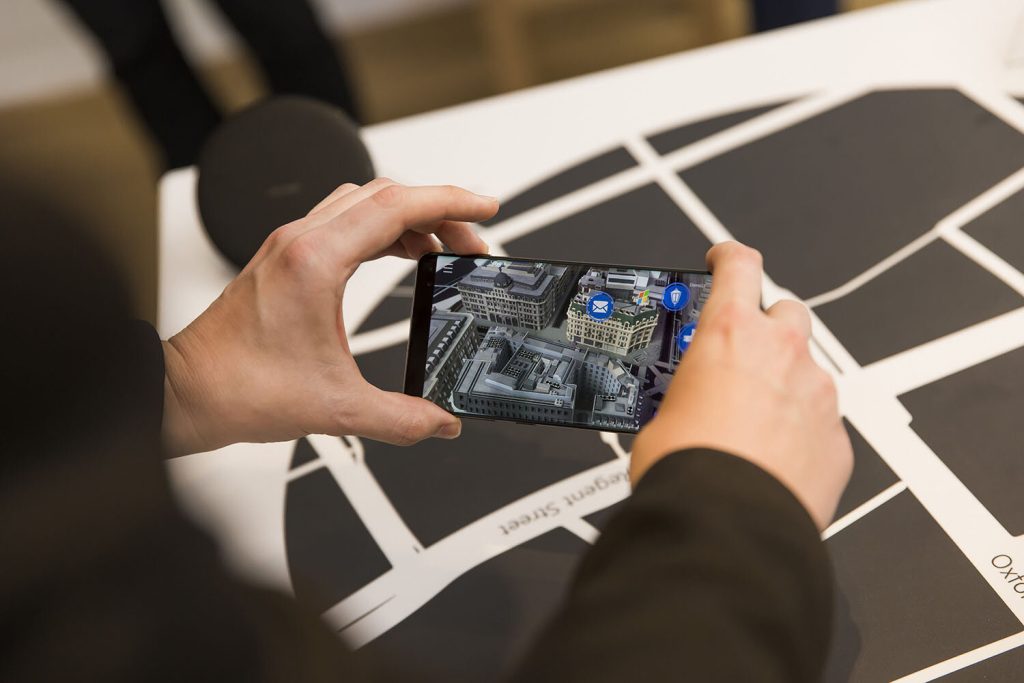
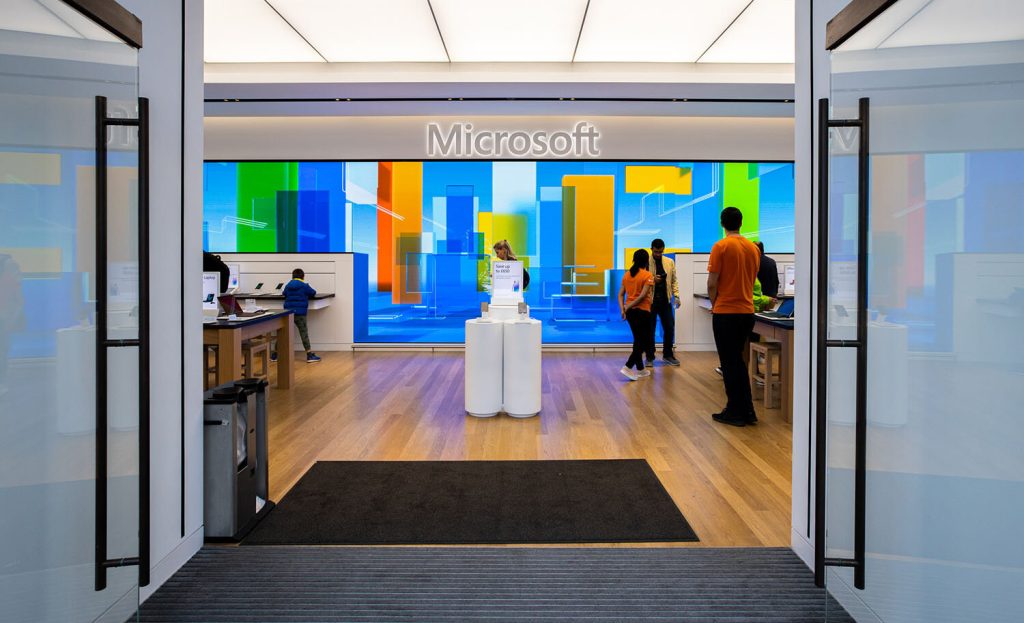
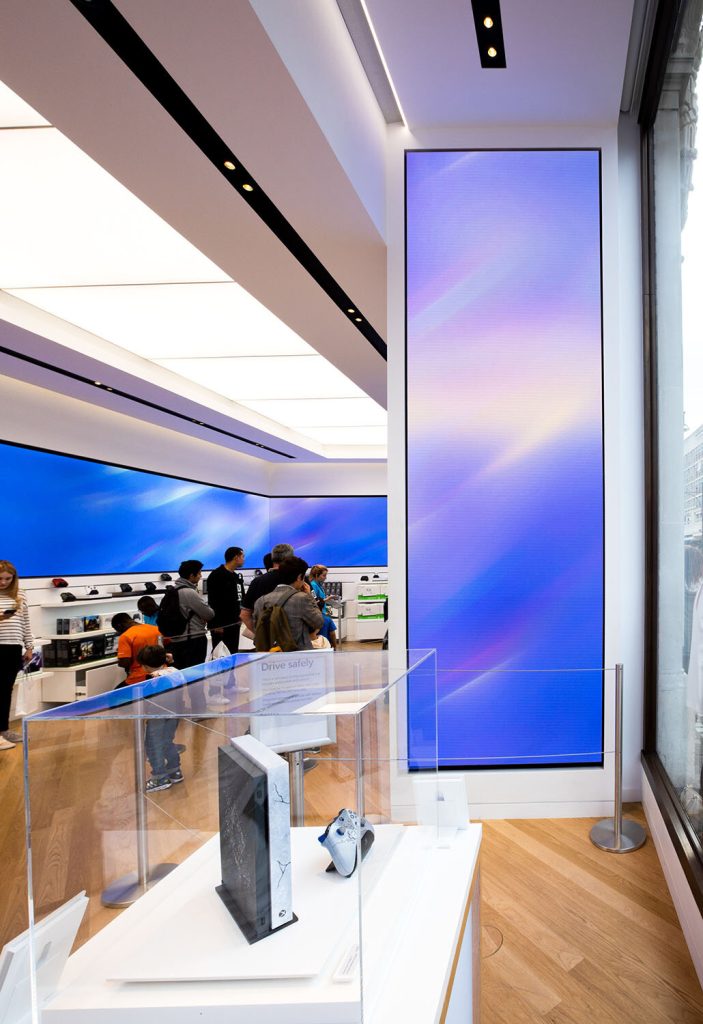
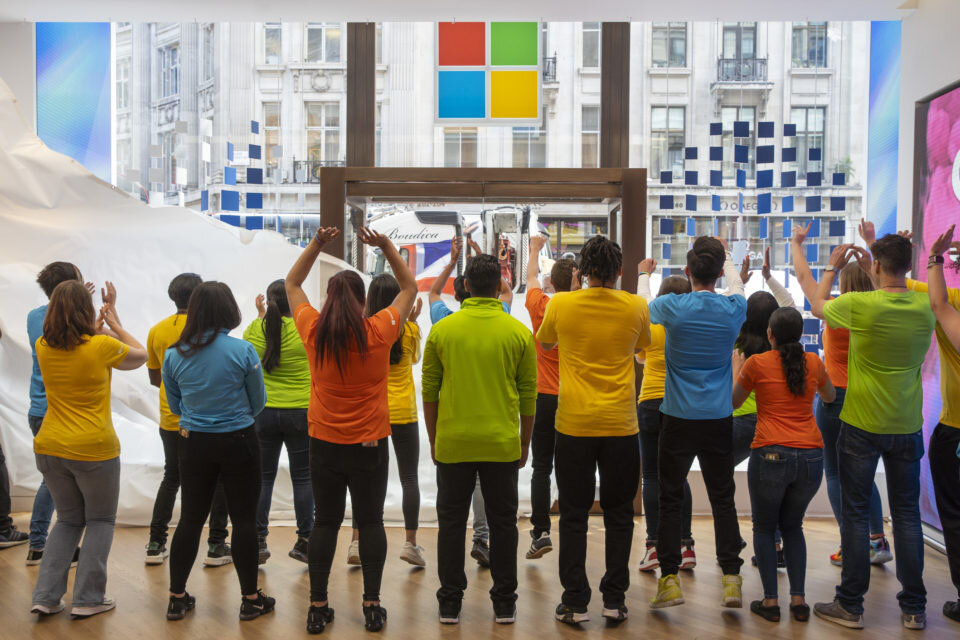
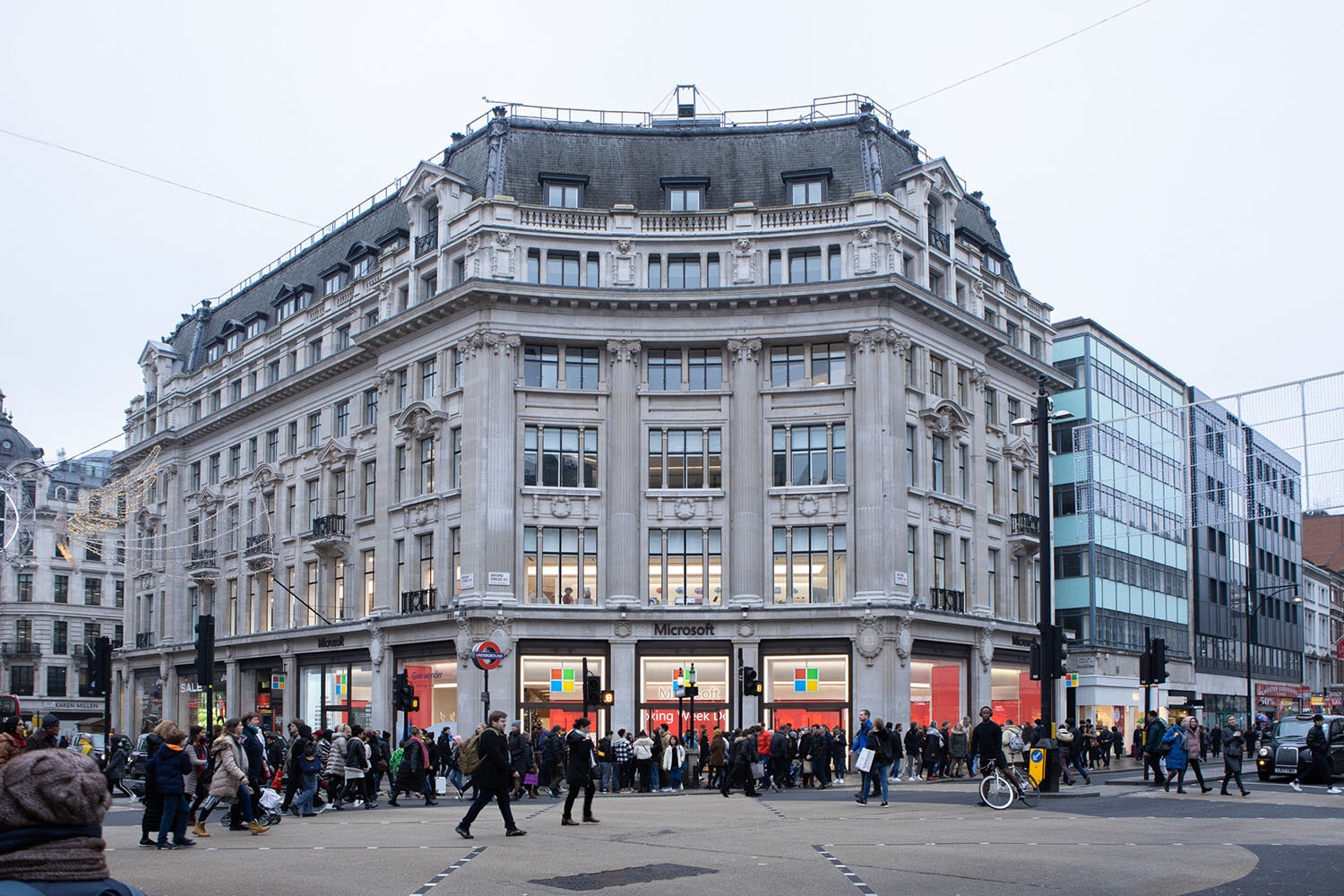
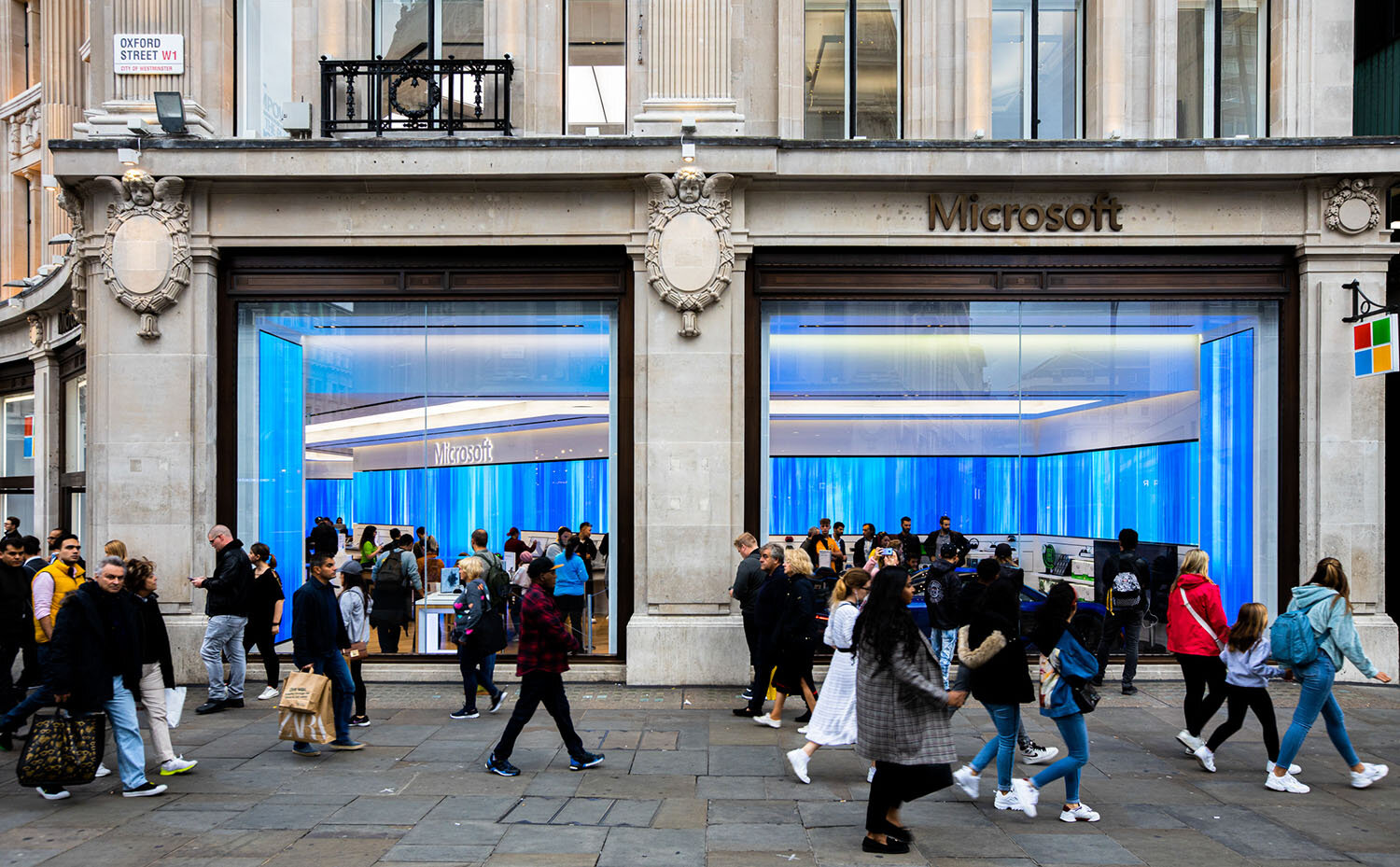
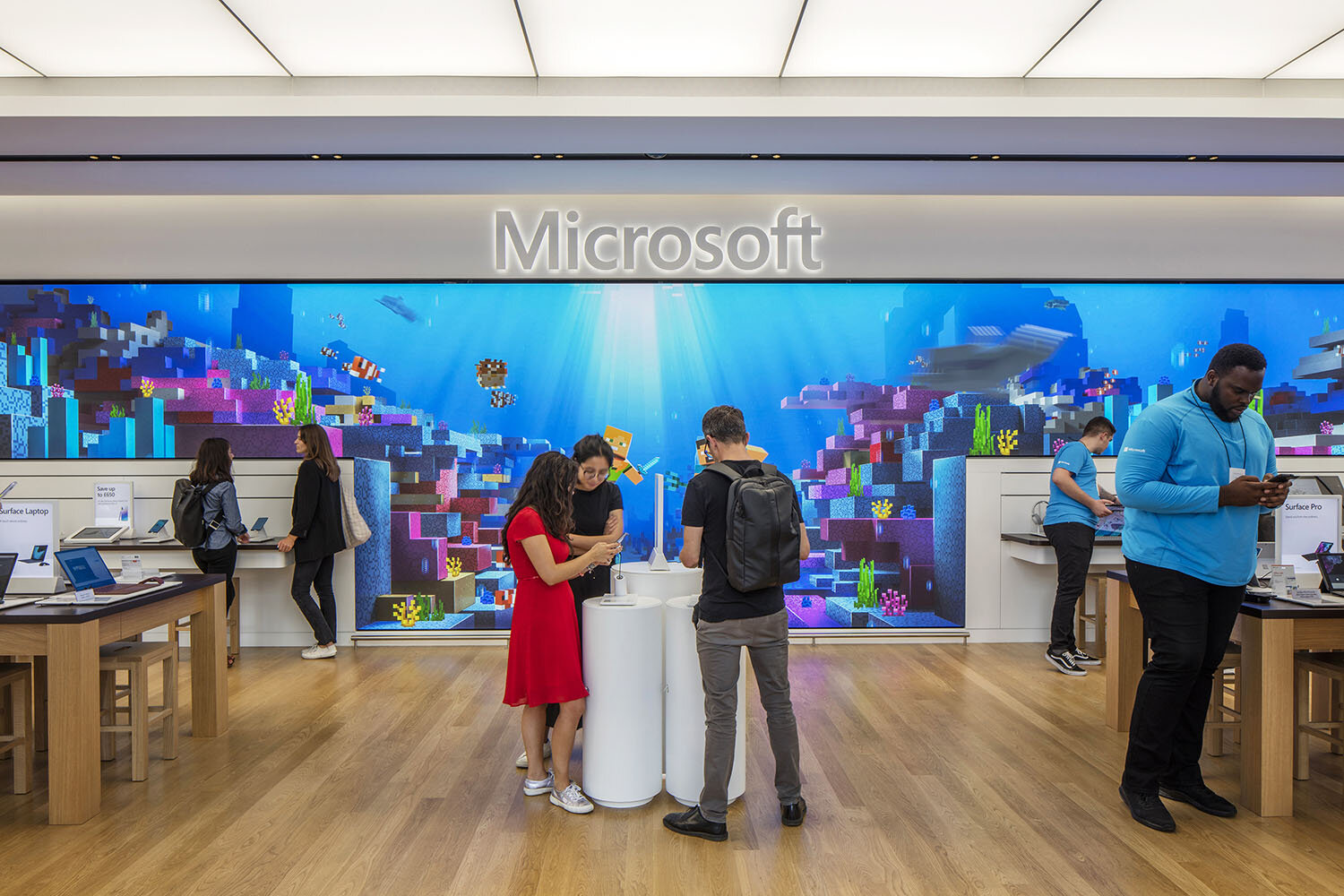
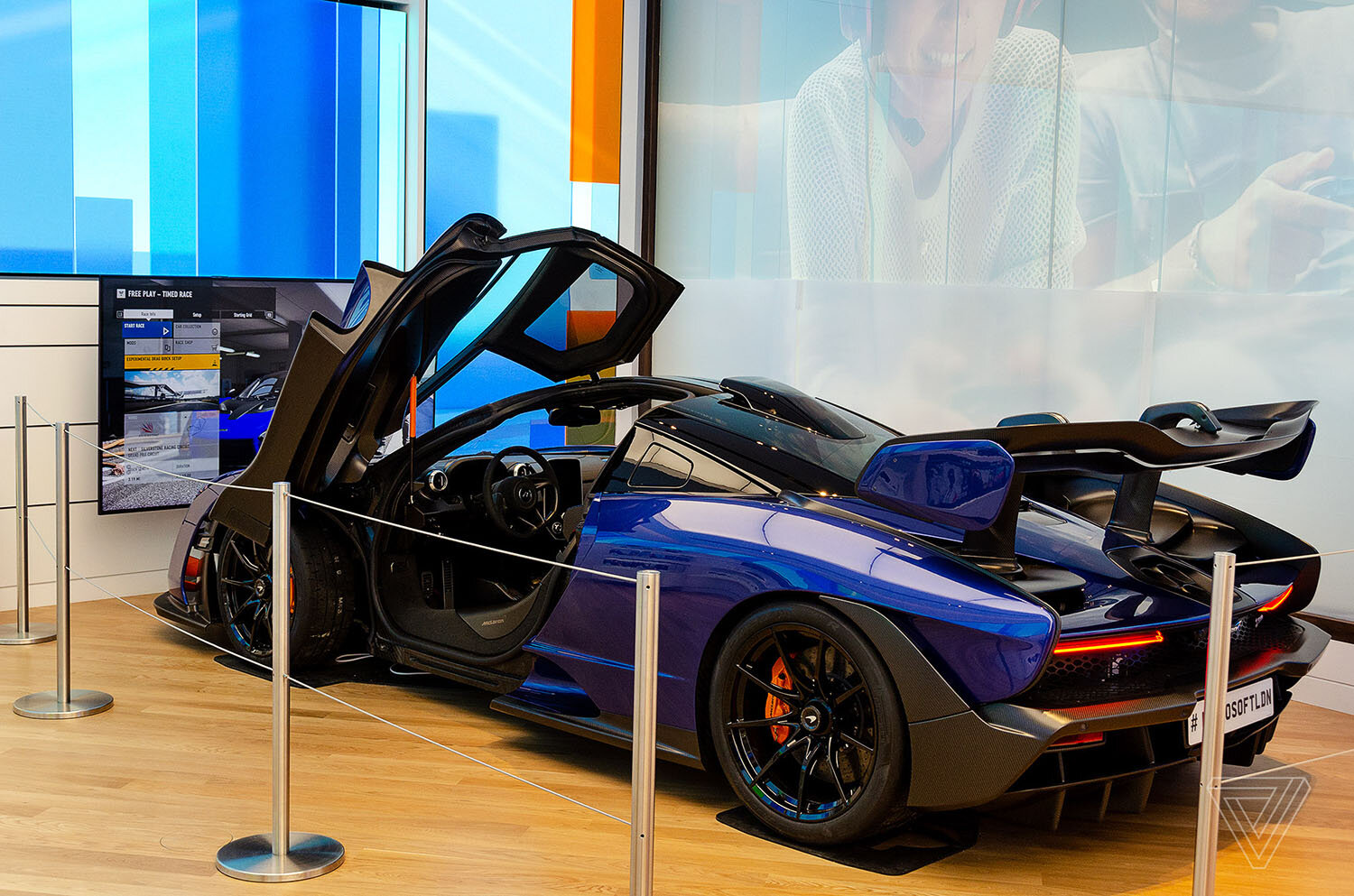
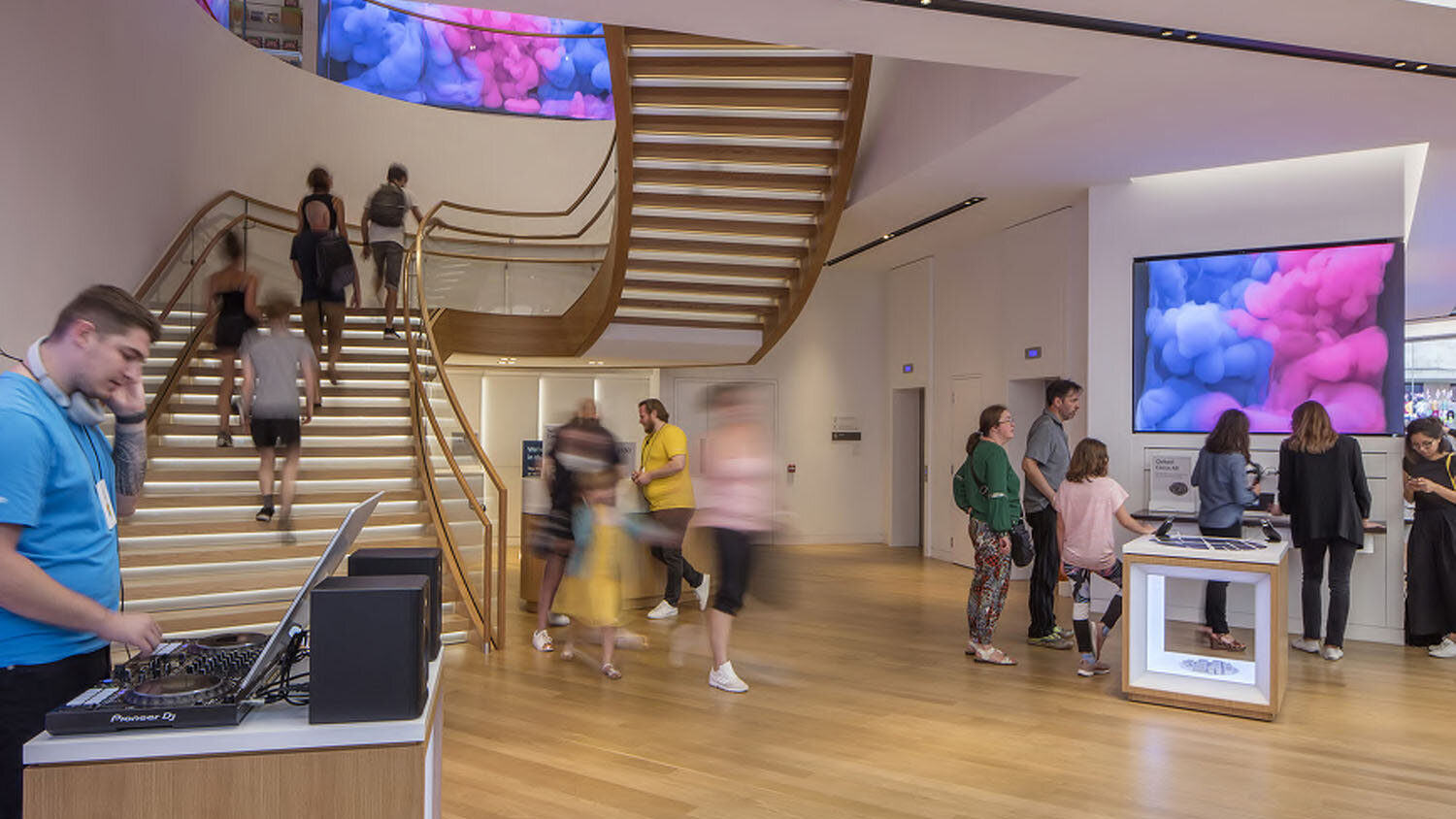
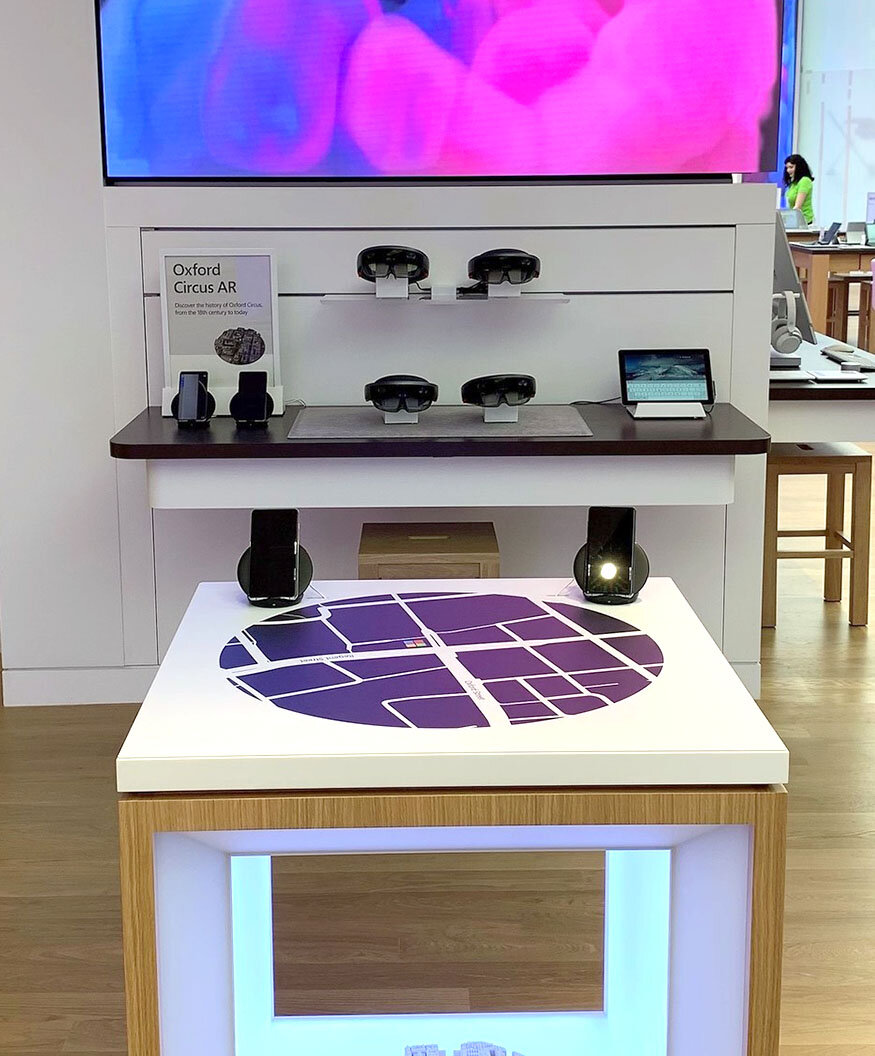
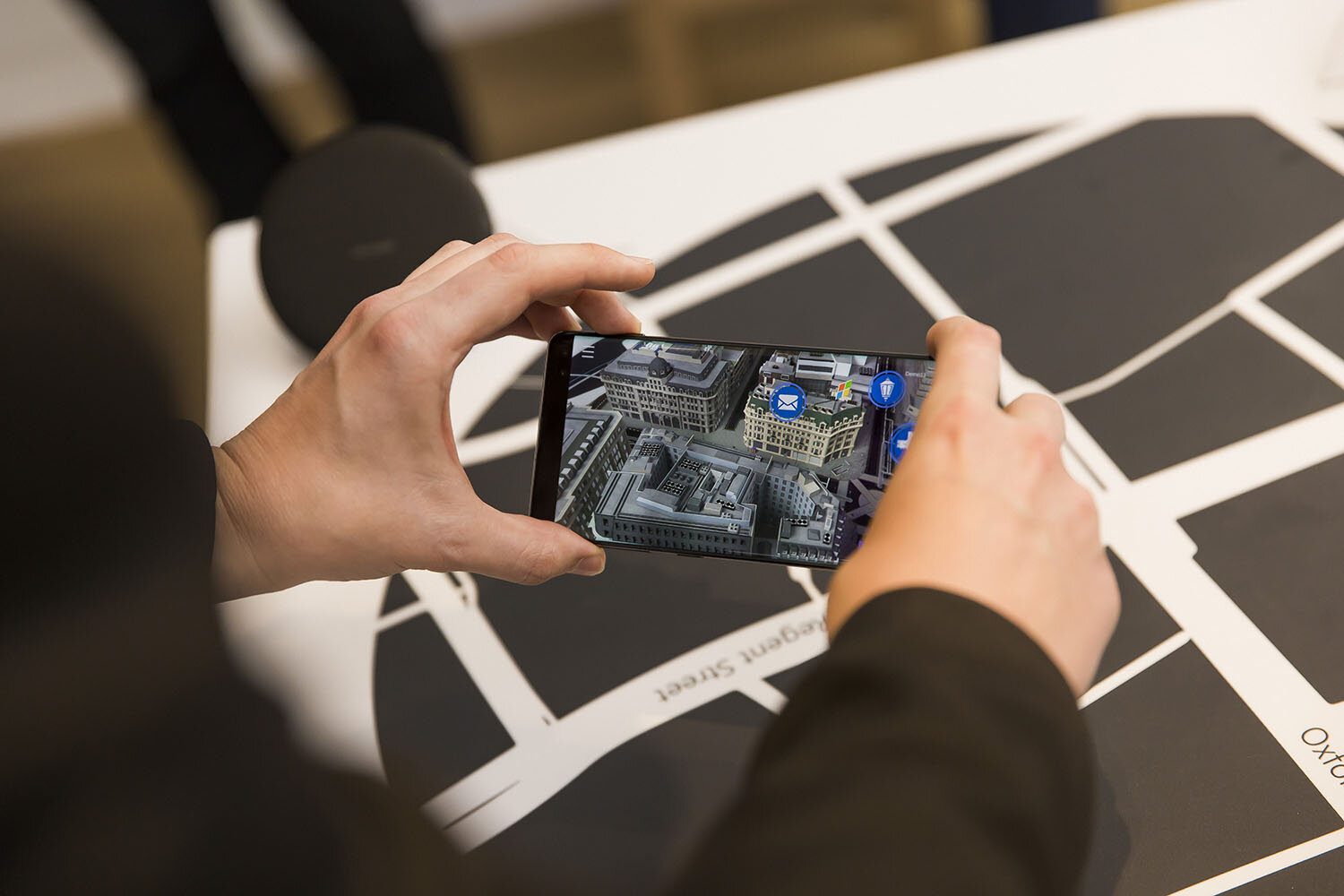
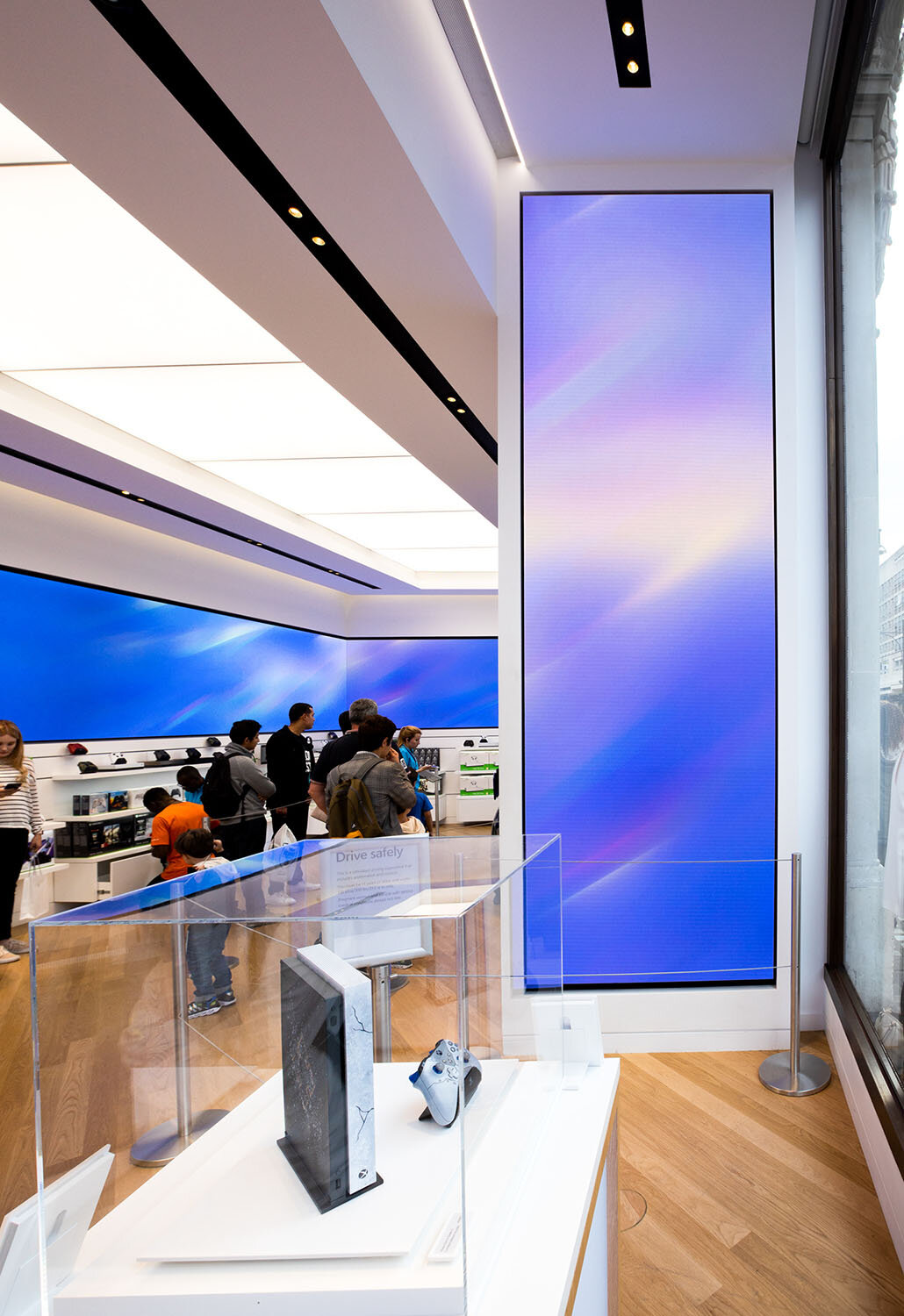
The later London flagship

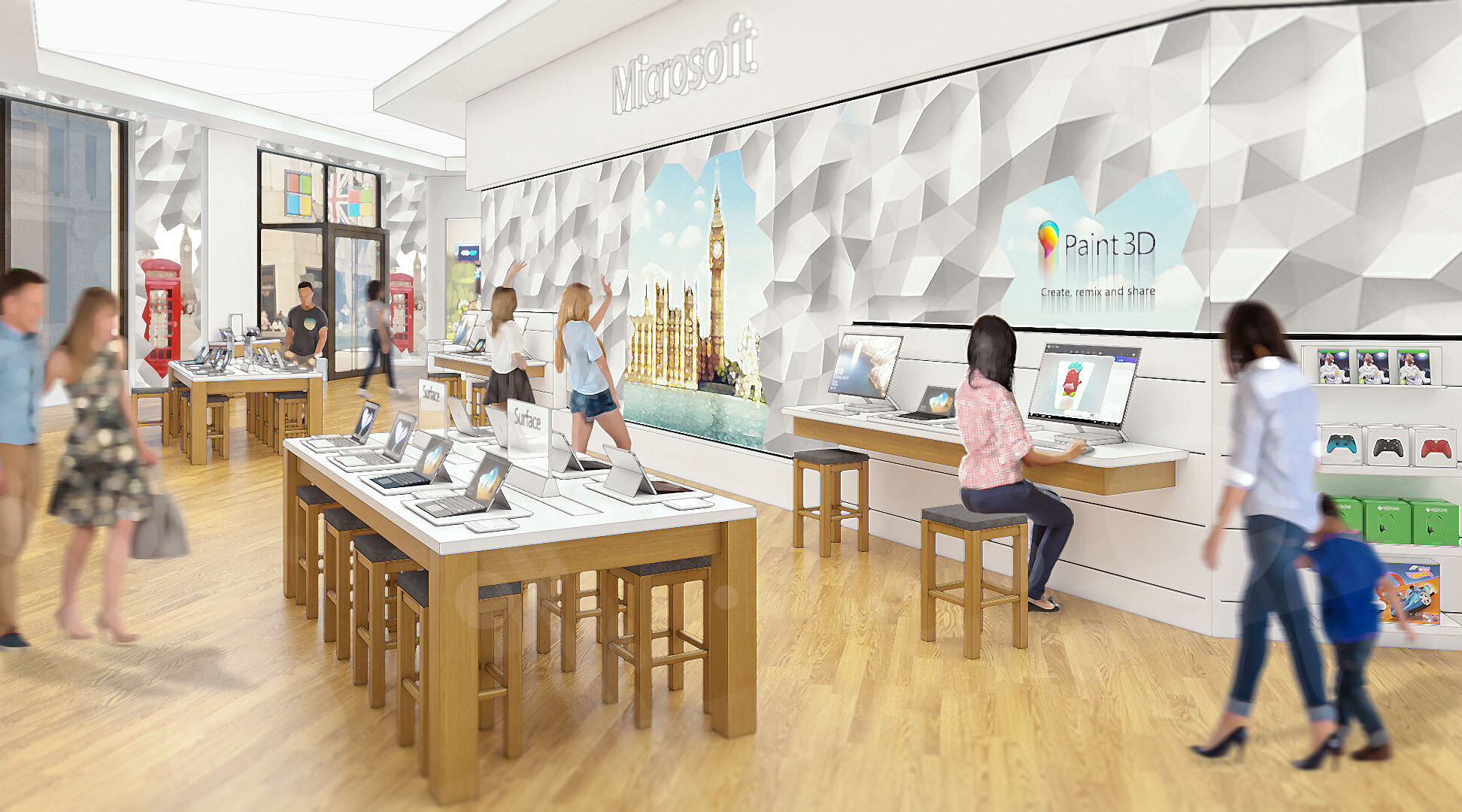
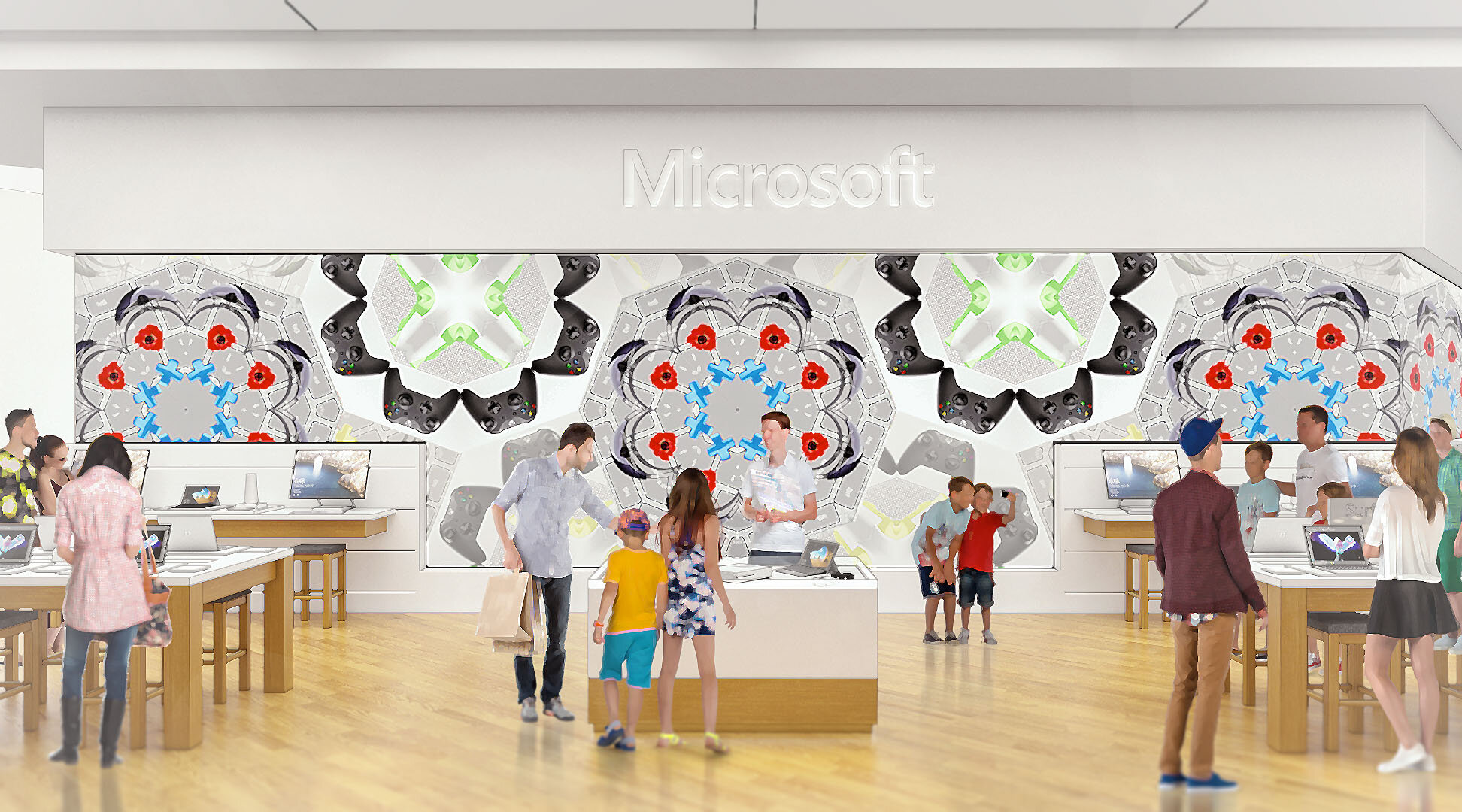
The London store opened after my time at Microsoft Store. These photographs document the eventual environment and give context to the earlier concept work. My contribution was the pre-opening experience strategy and design direction: orchestrating the team’s explorations, shaping the concepts presented to leadership, and developing ideas myself.

  • Previous ProjectMicrosoft Store: Digital Content

  • Next ProjectMicrosoft Store: Omnichannel Campaigns