MICROSOFT · STUDIO DIRECTOR, INDUSTRY CLOUD SOLUTIONS

Designing trust into consequential financial workflows.

I led the experience design studio responsible for bringing Microsoft Cloud for Financial Services to market—translating complex data, AI capabilities, and regulatory requirements into experiences that made decisions more understandable, governable, and useful.
Scope

Studio leadership · Team building · Industry research · Product UX

Mandate

Turn Microsoft’s platform capabilities into a coherent financial-services experience.

Complexity

Regulated workflows, sensitive data, multiple roles, and decisions whose effects compound downstream.

How I designed for trust

The work required more than compliant interfaces. We needed to preserve the context behind data and recommendations so every person downstream could understand how a consequential decision was made.

Make provenance visible

Show where data, classifications, and recommendations came from—not only the result.

Preserve context downstream

Carry rationale and prior decisions forward so the next analyst did not act on incomplete information.

Govern within the workflow

Place review, permissions, and accountability where decisions occurred.

Research and concept studies established the product direction.

While forming the studio, I used customer research, industry analysis, information architecture, and concept studies to align stakeholders around the opportunity before the product direction hardened.

Making the value proposition tangible.

Working with the Narratives team, we showed how financial, behavioral, and demographic data could support a unified customer view and more relevant next actions—without losing the context behind those recommendations.

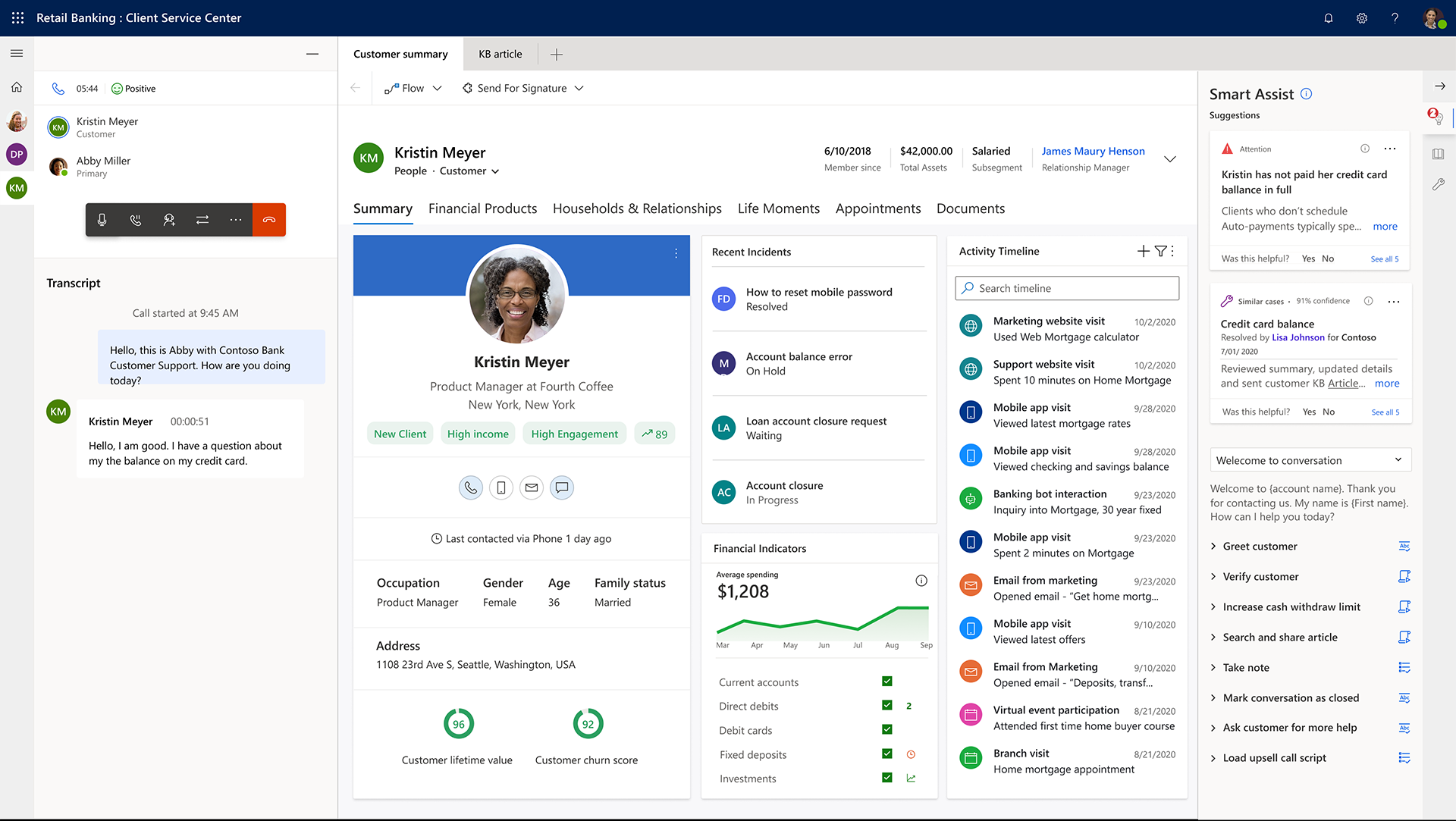
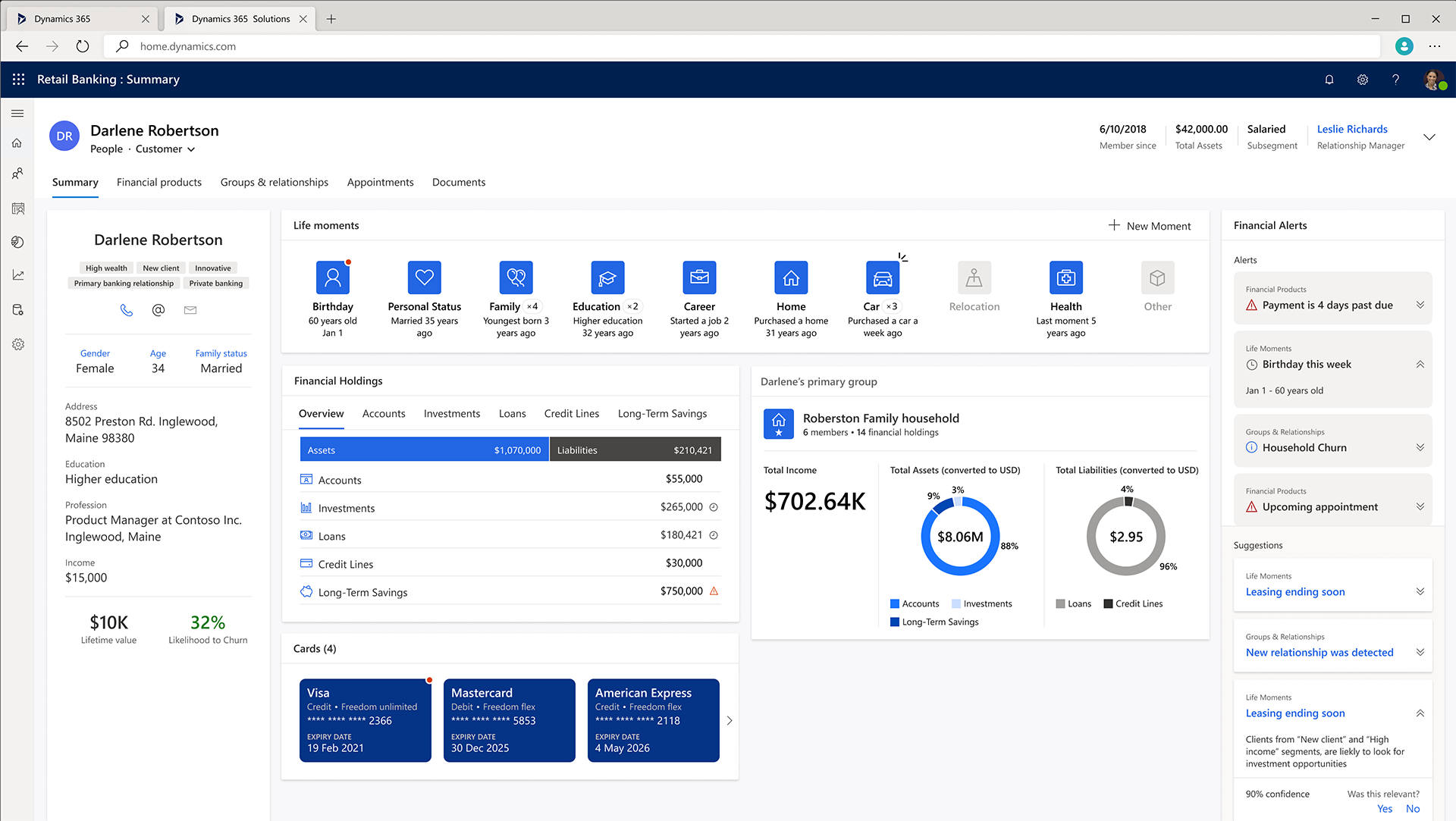
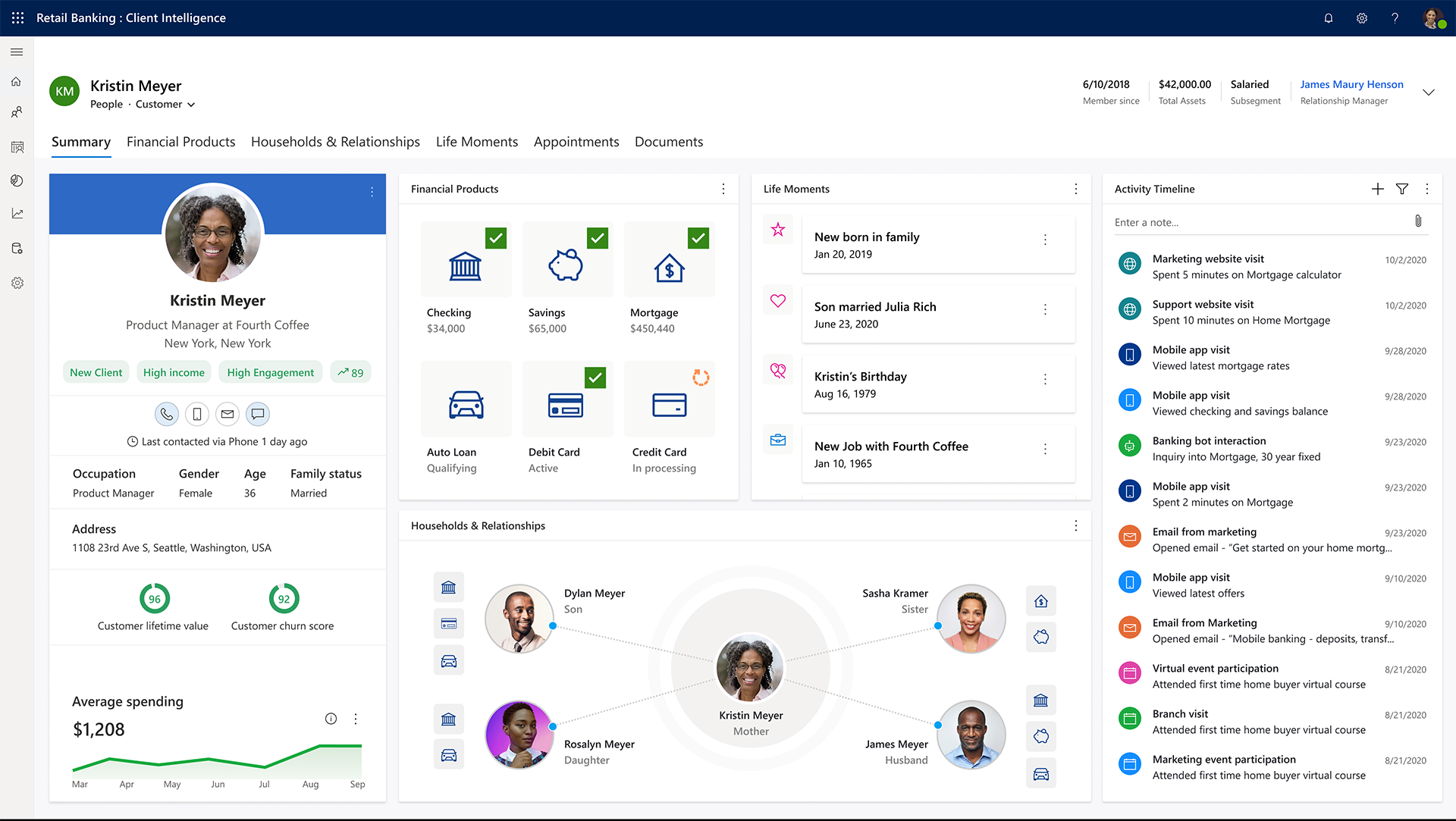
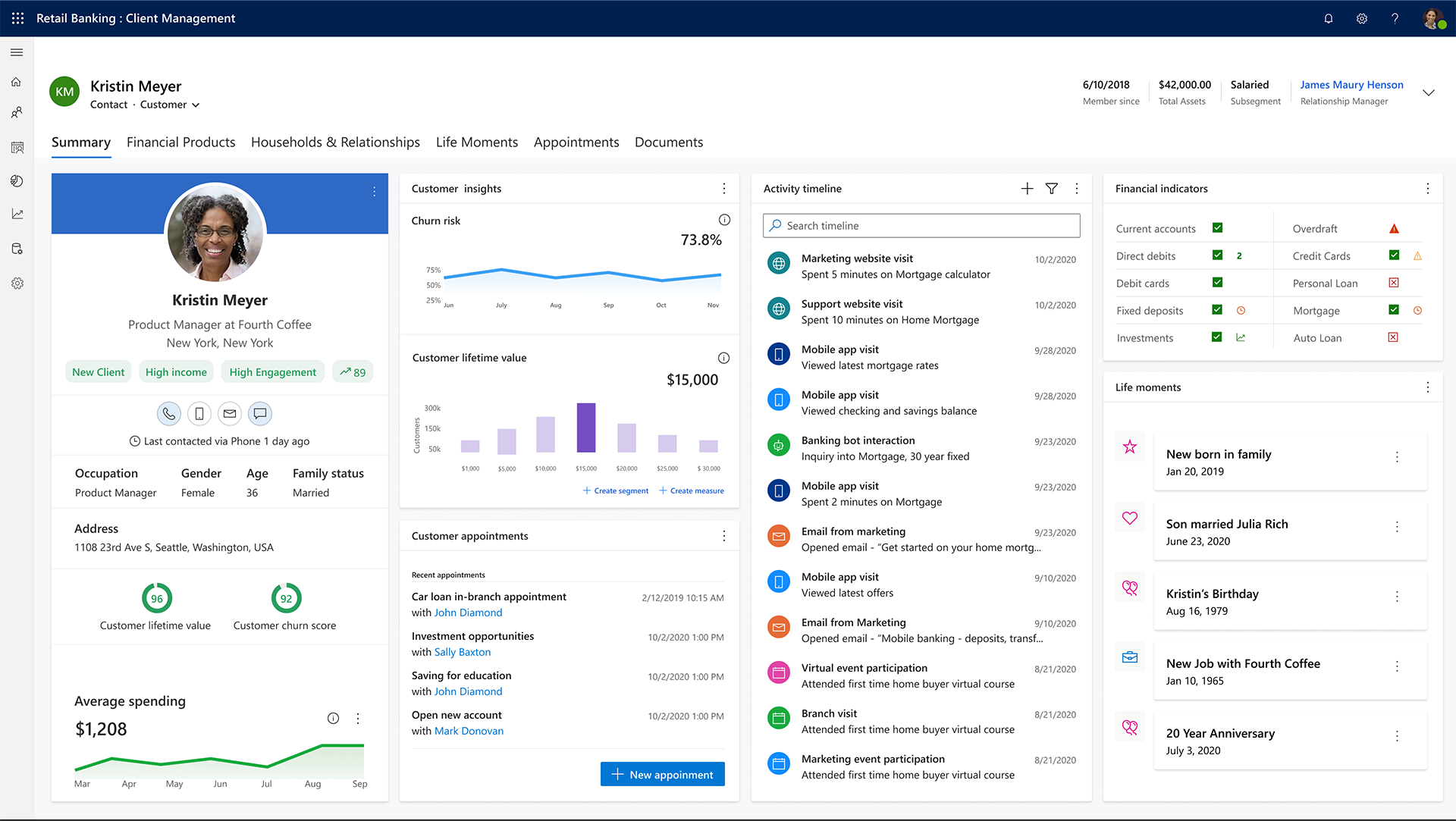
360 Customer Dashboard

A unified customer view helped service representatives understand the person, the relationship, and the evidence behind AI-assisted insights and next-best actions.

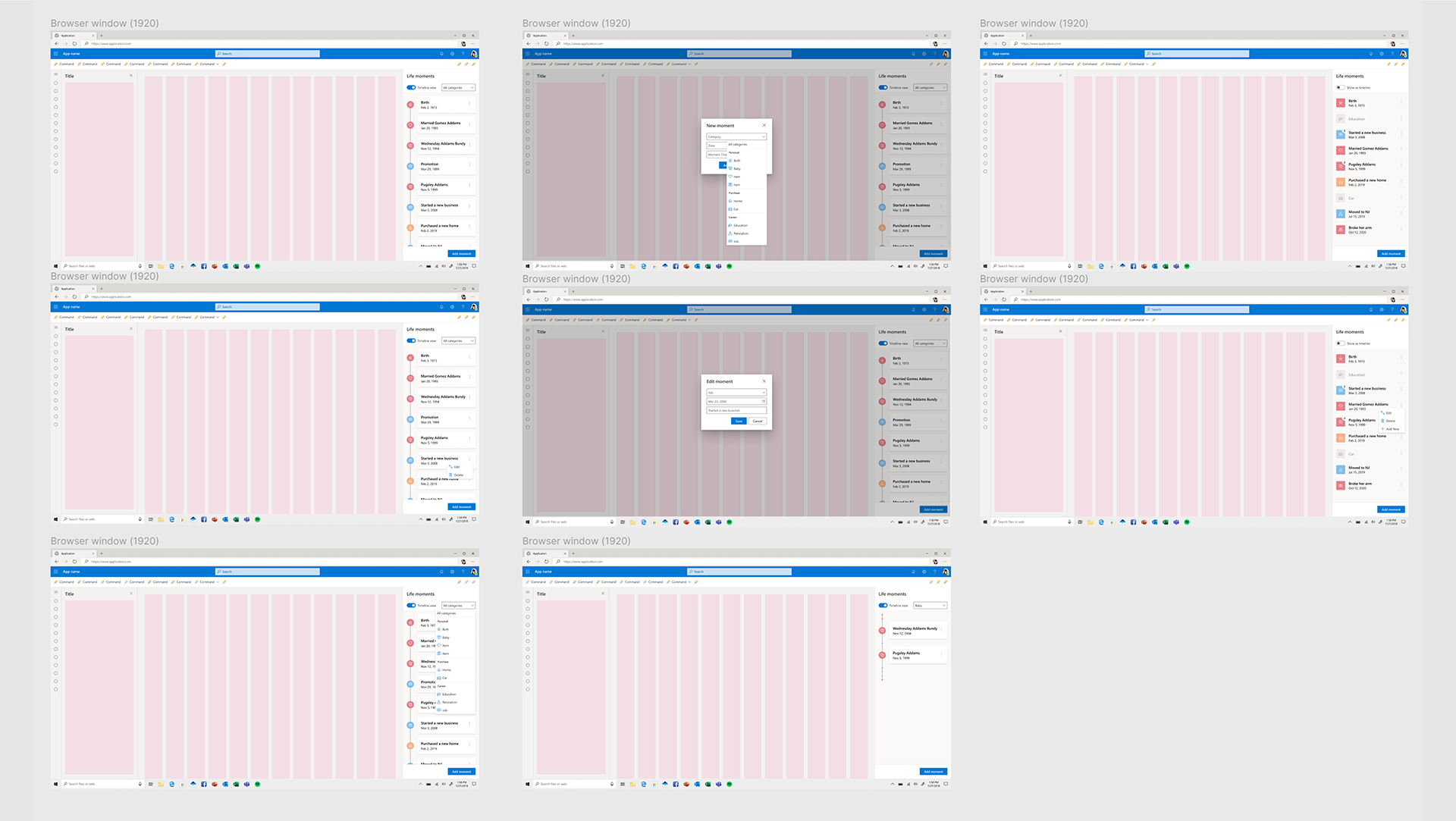
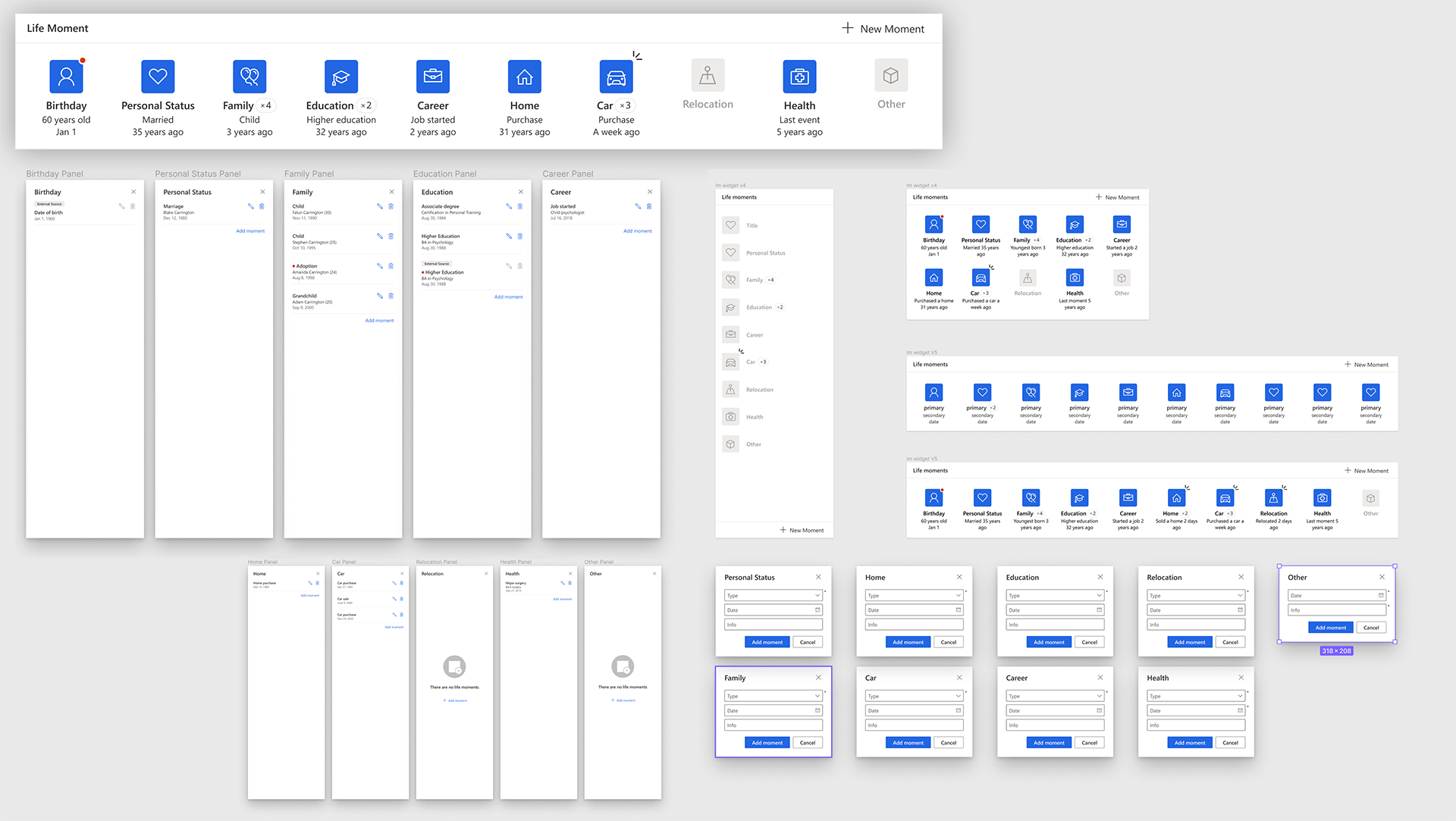
Life Moments – controls and components

Life Moments brought significant customer events into the unified view, making them visible at the point where representatives interpreted needs and chose the next action.

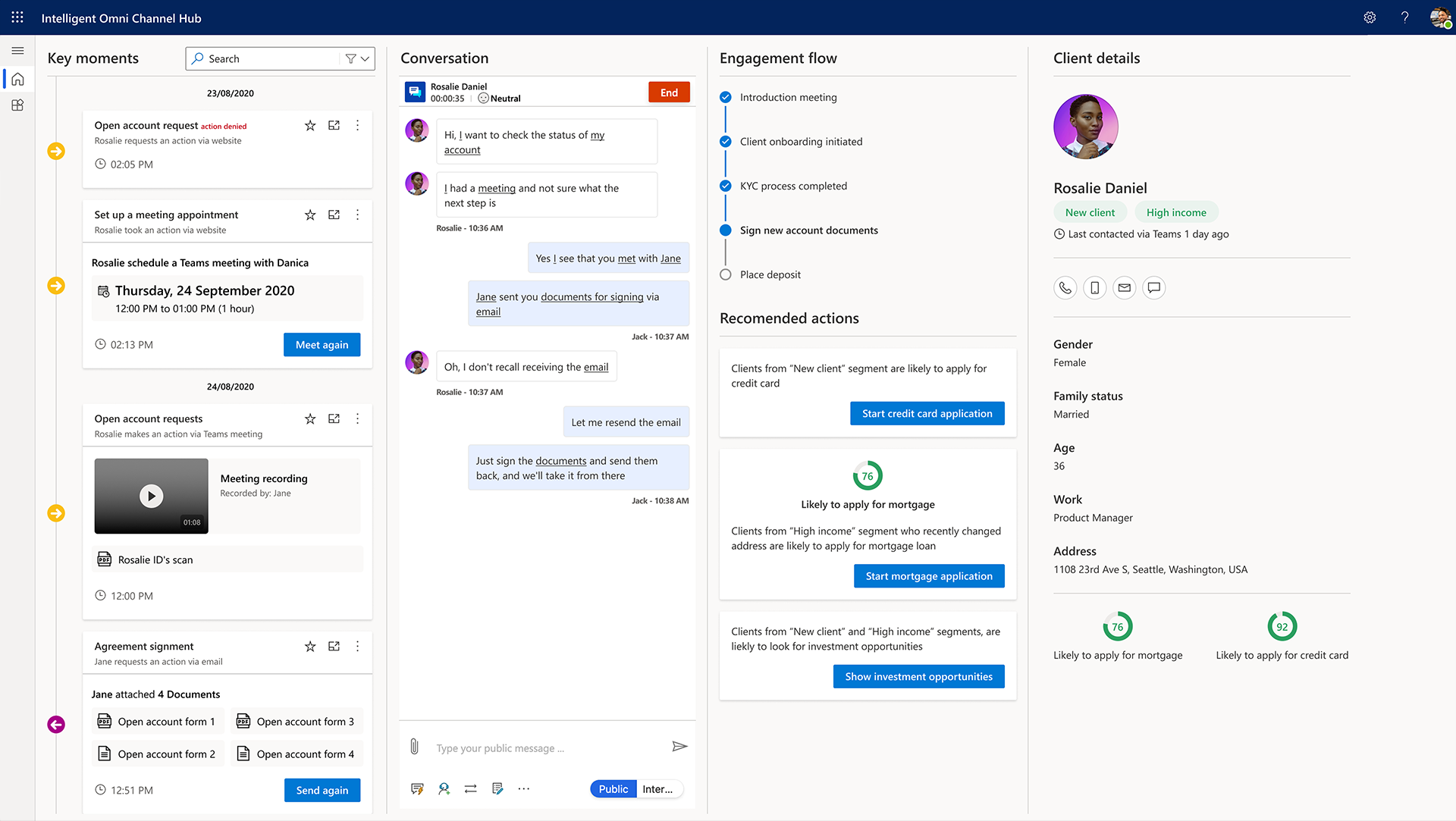
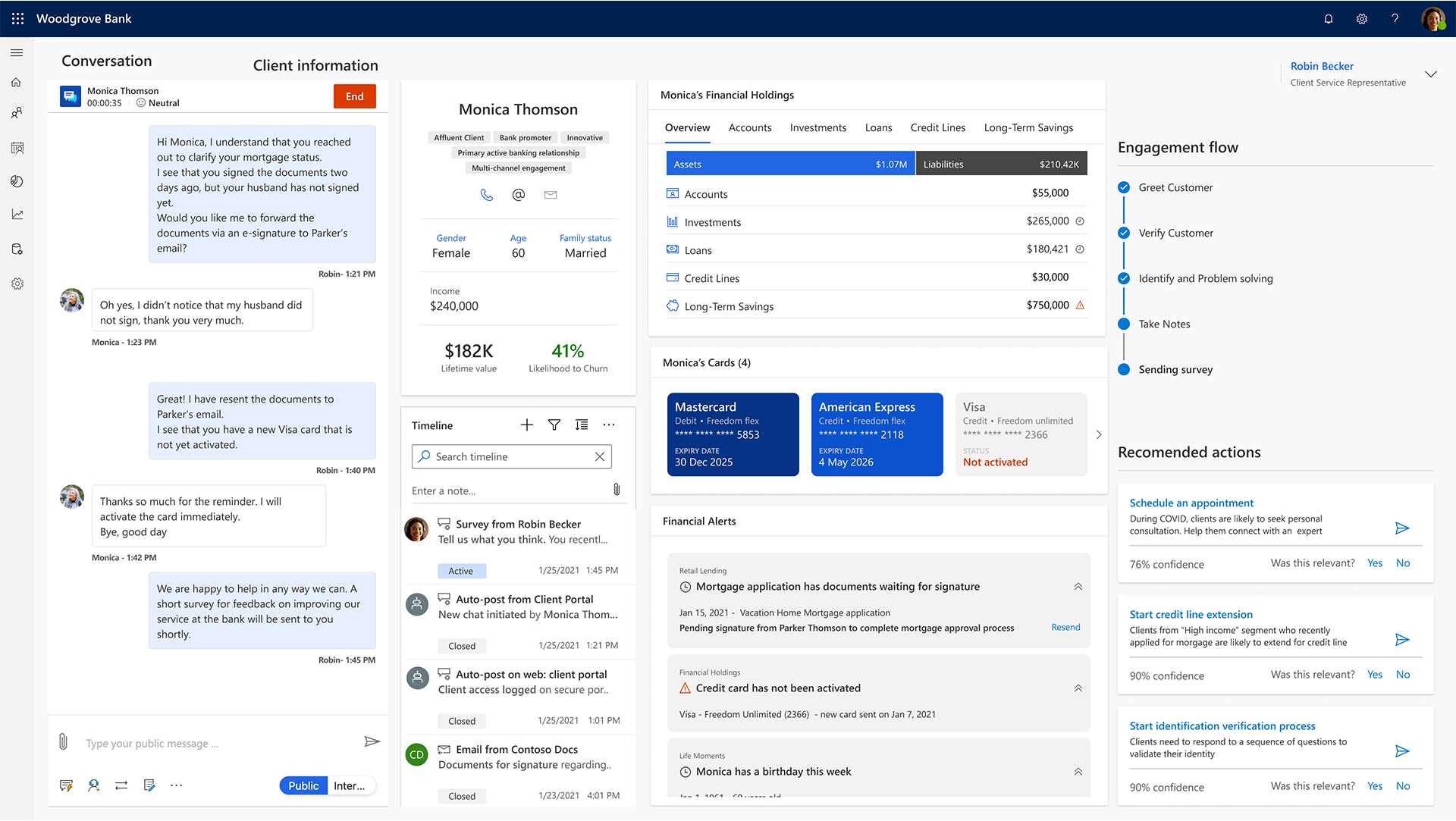
Unified omni-channel customer timeline

The timeline preserved interactions, events, and alerts across channels so representatives could understand what happened before acting on a recommendation.

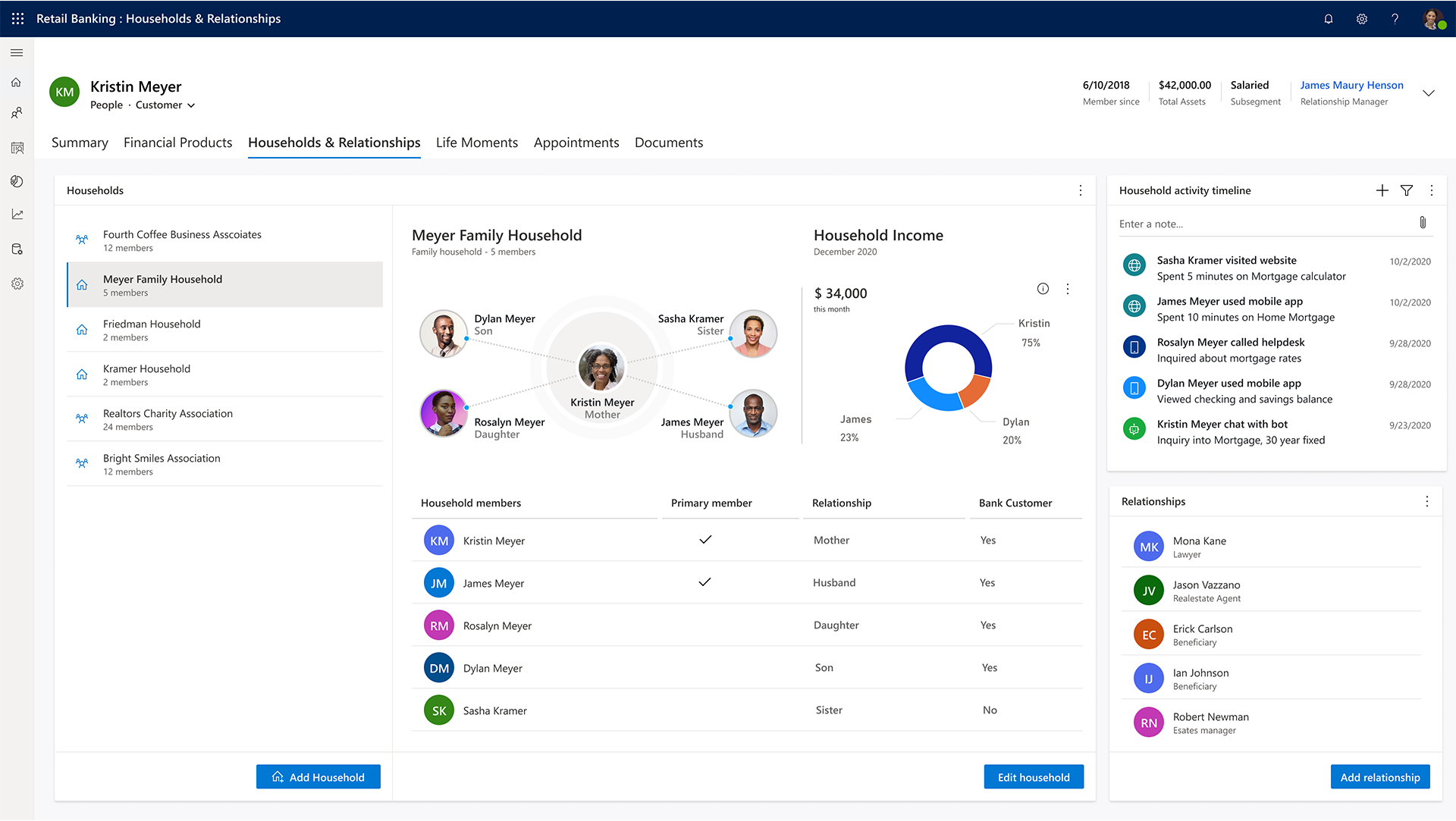
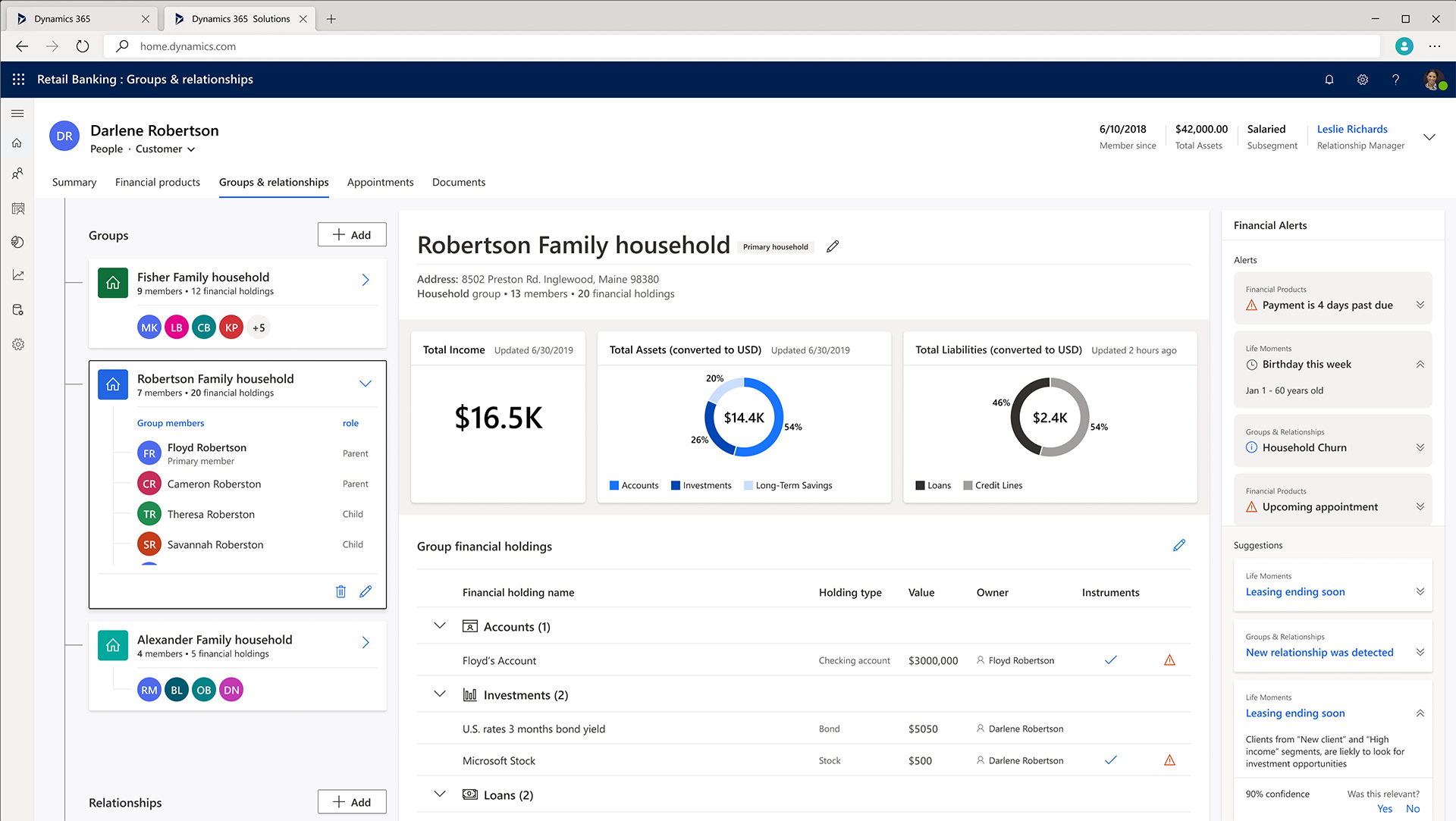
Customer Groups and Relationships

Relationship mapping revealed the people and groups around a customer, helping banks understand shared assets, influence, and opportunity without flattening complex relationships into a single profile.

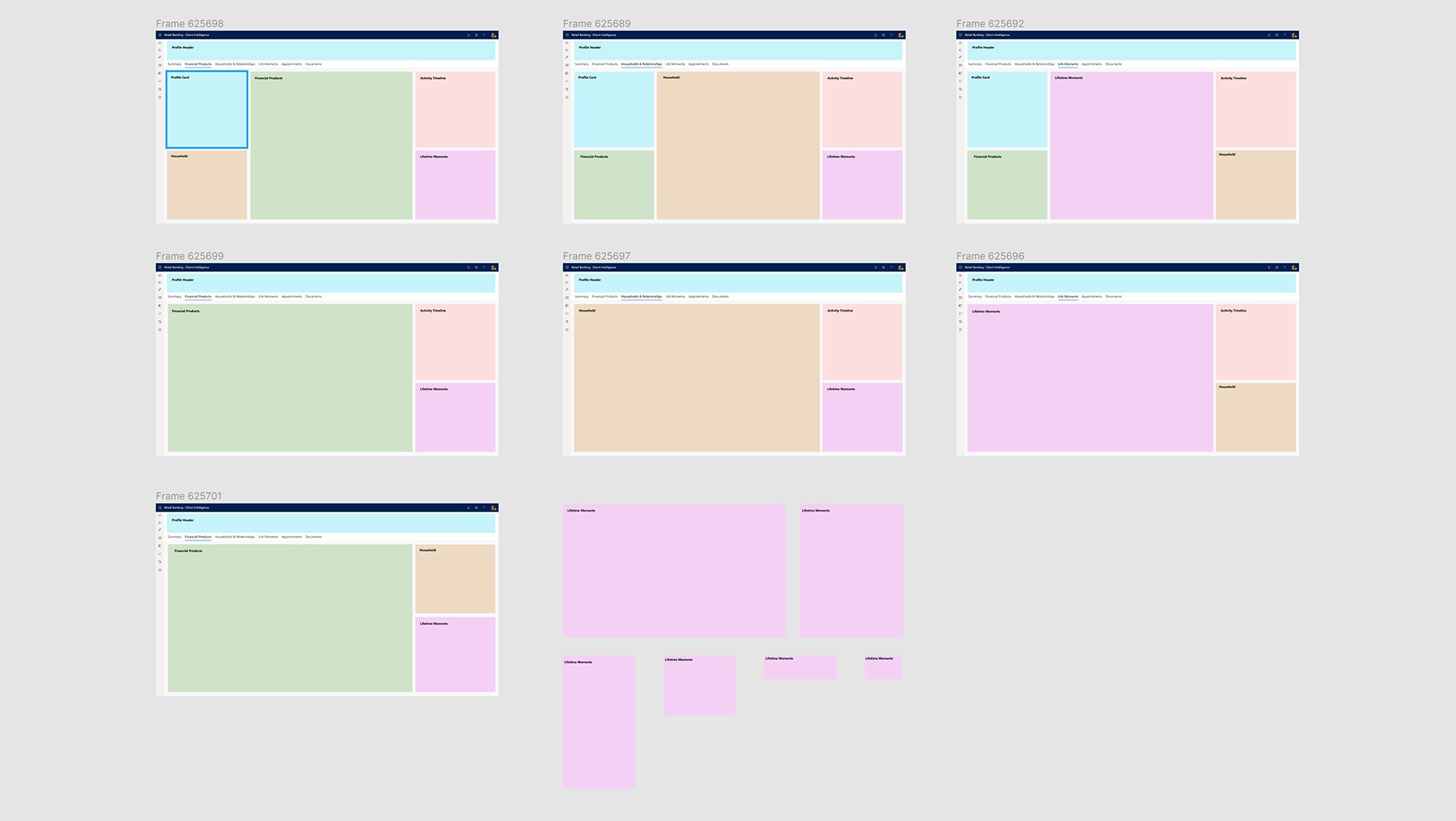
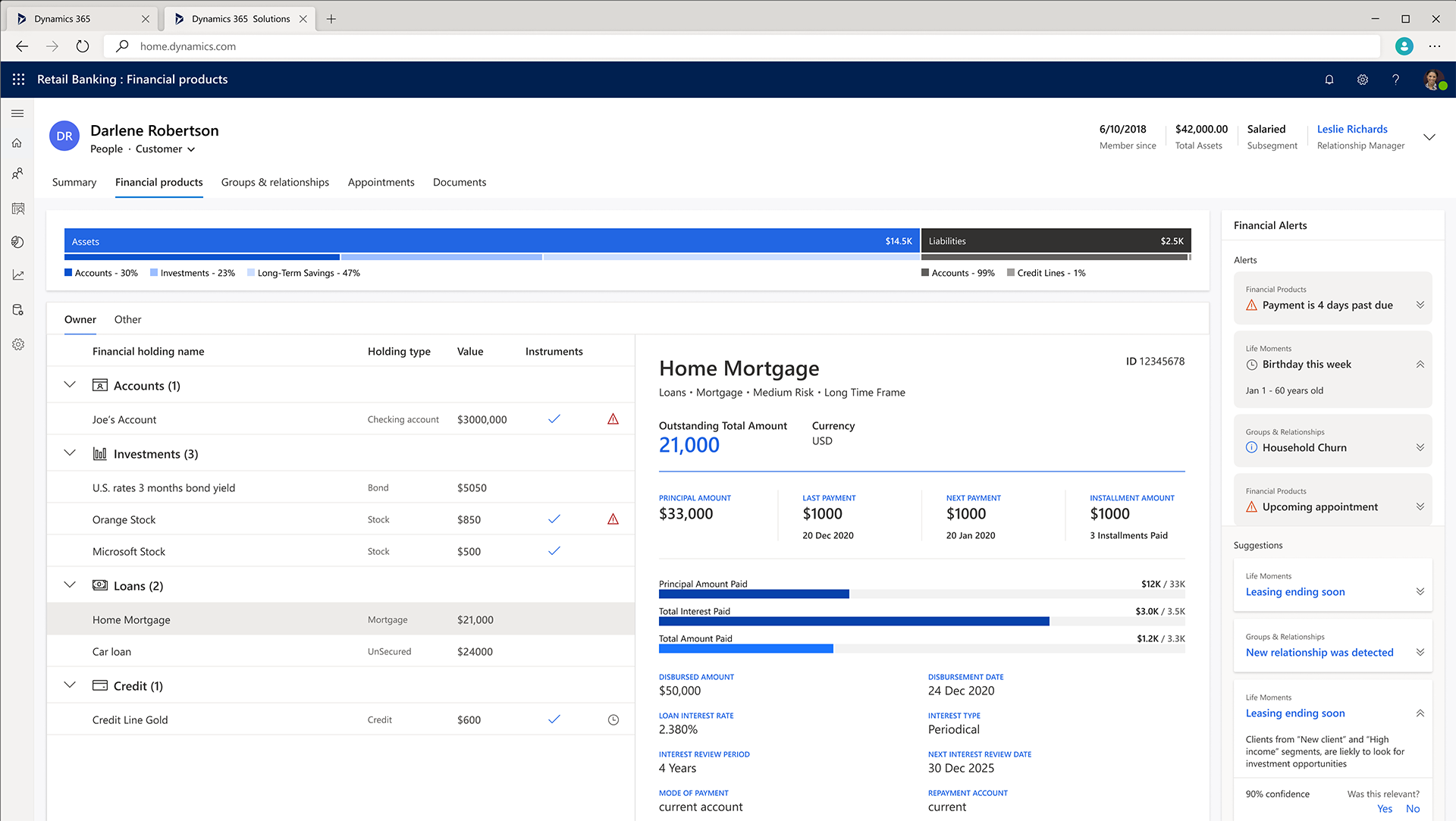
Financial Products

A concise view of all the financial products that a bank customer has allows bank customer representatives and branch managers an opportunity to see all the products that a customer currently has as well as products they would benefit from considering.  Relevant notifications are also presented in this view, to assure that the next interaction with the customer is most meaningful.

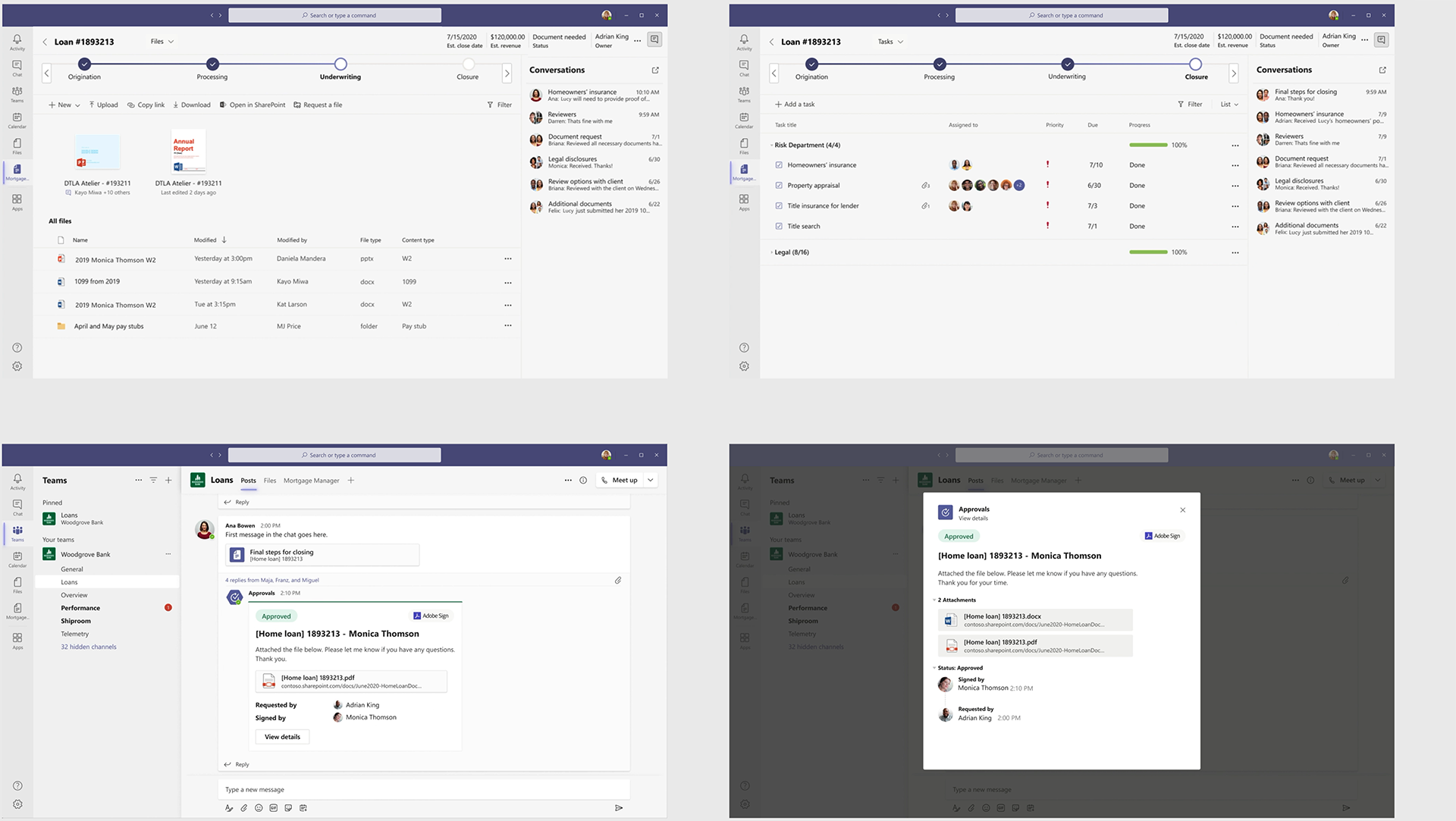
Mortgage Processing

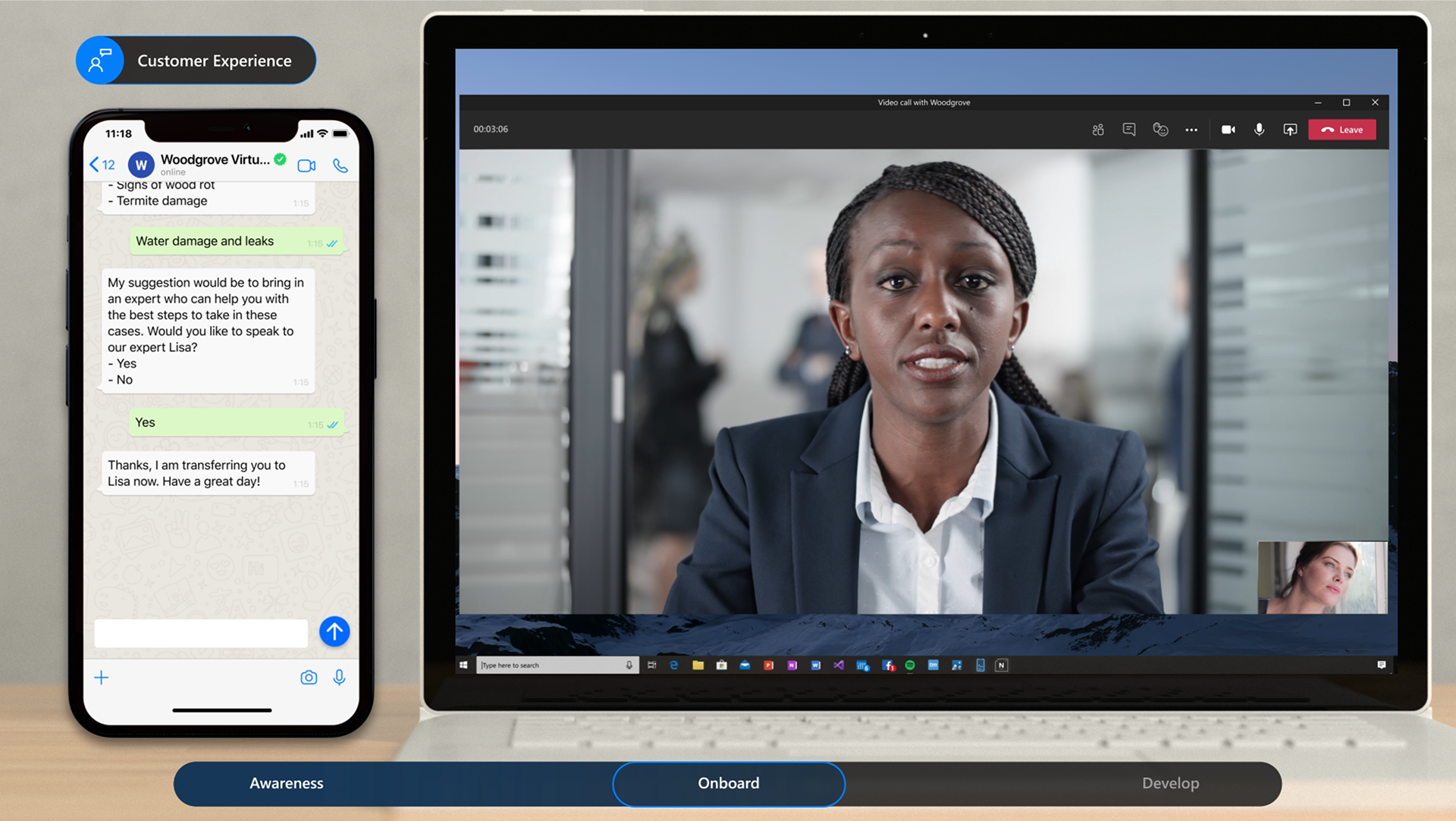
For mortgage processing, we designed a Teams-embedded application that combined collaboration and scheduling with a clear, role-based process experience.

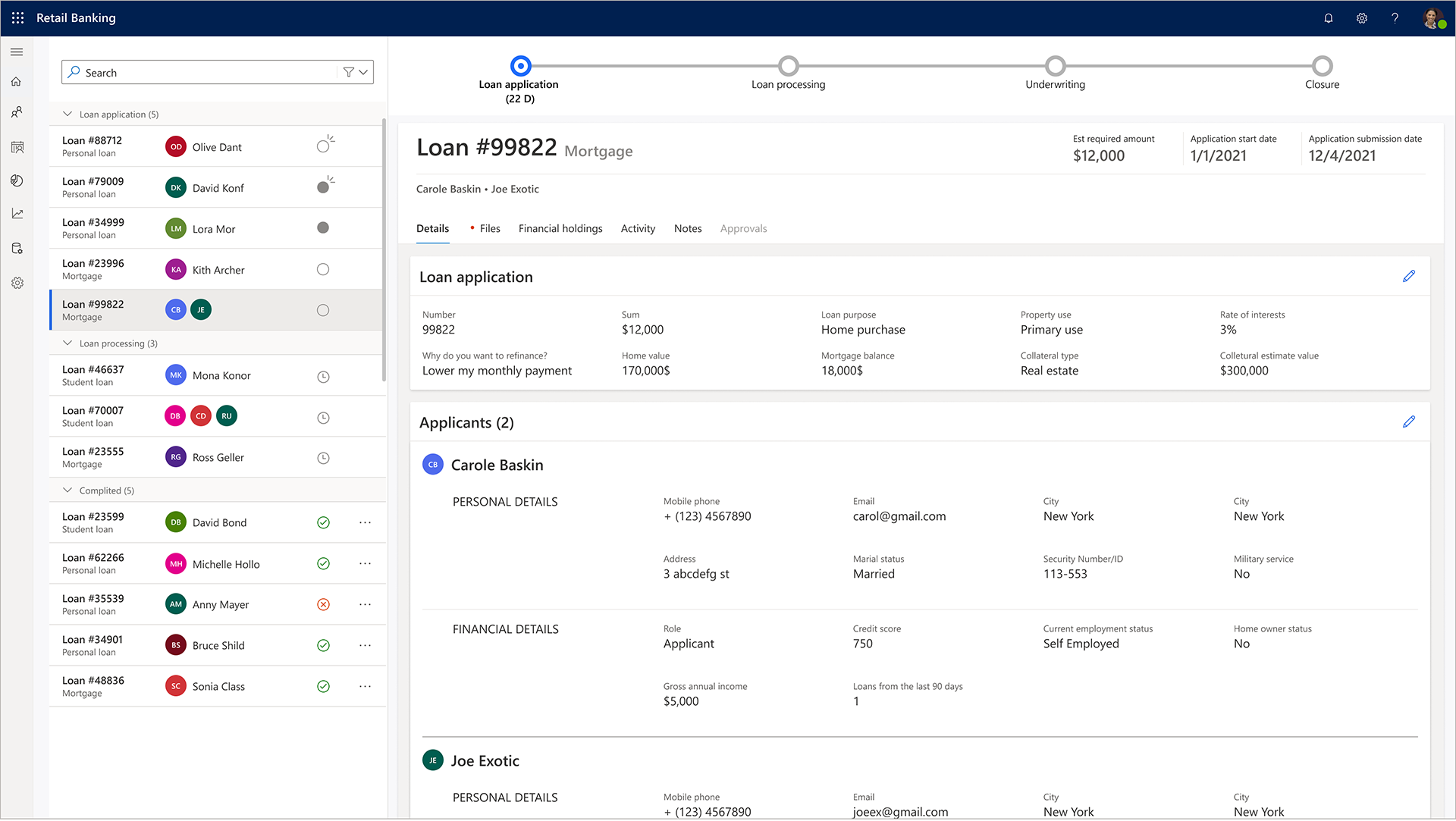
Customer Onboarding

A consolidated view of past and current loan applications gave representatives a reliable picture of status, history, and the work required next.

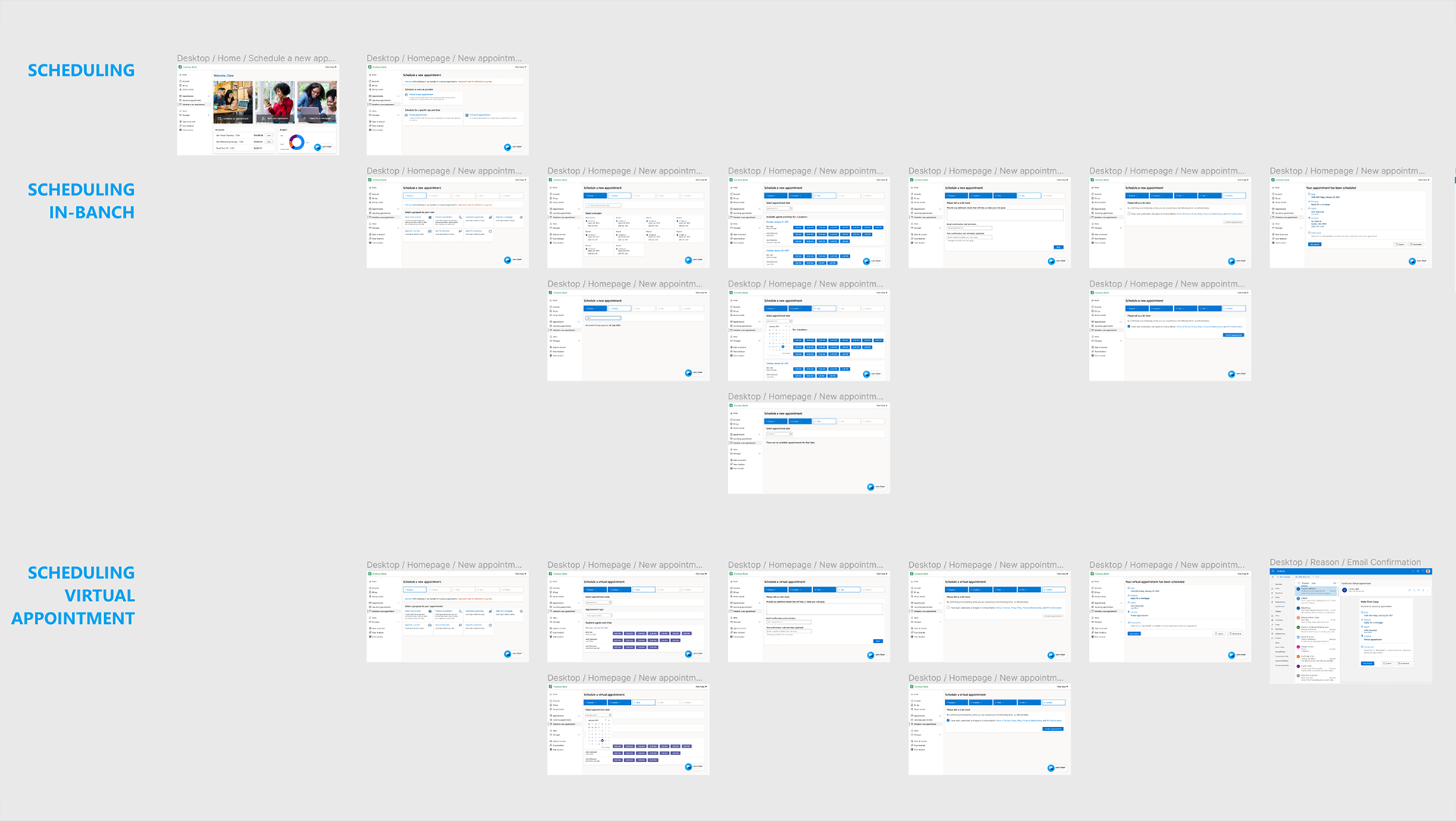
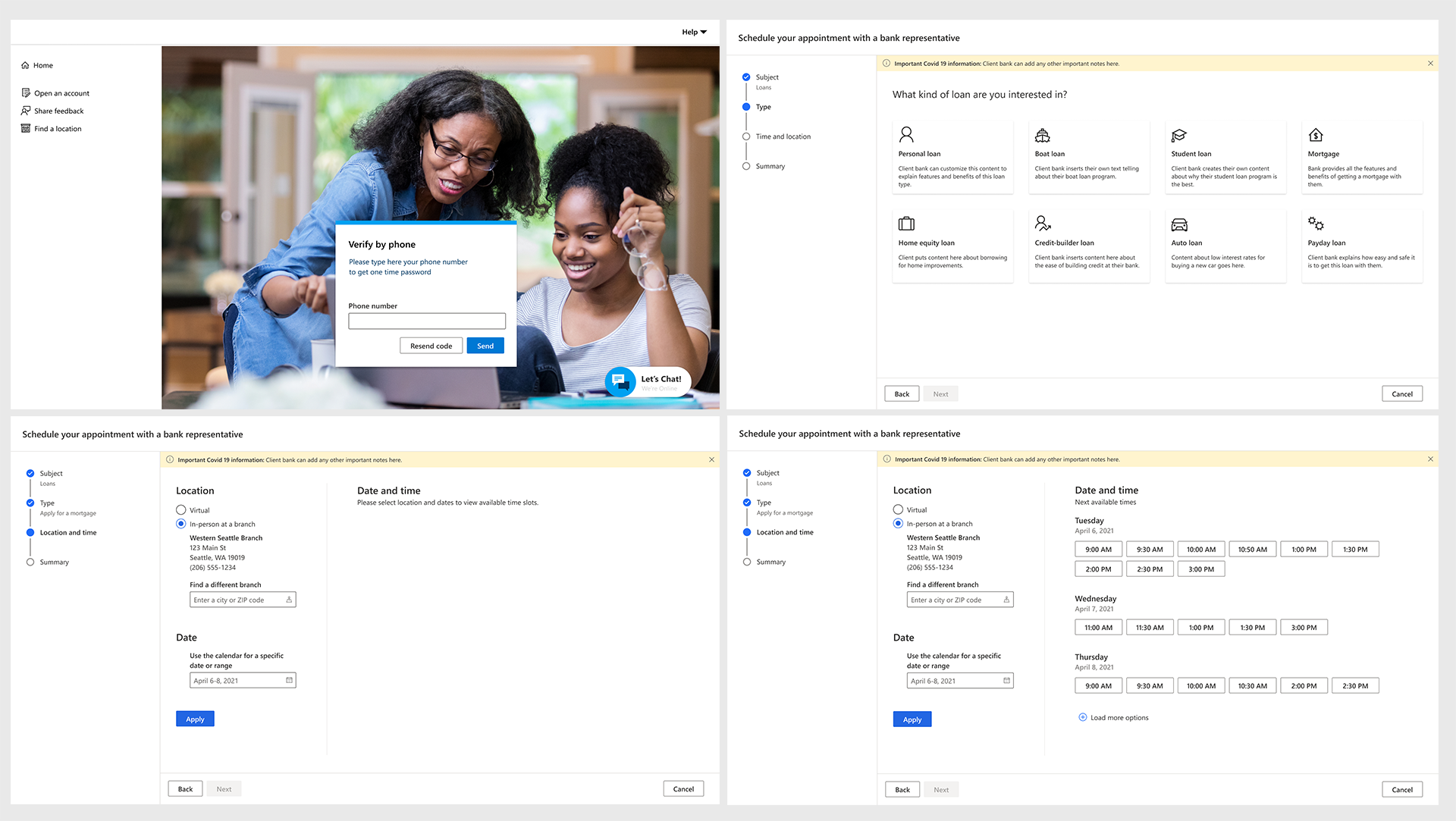
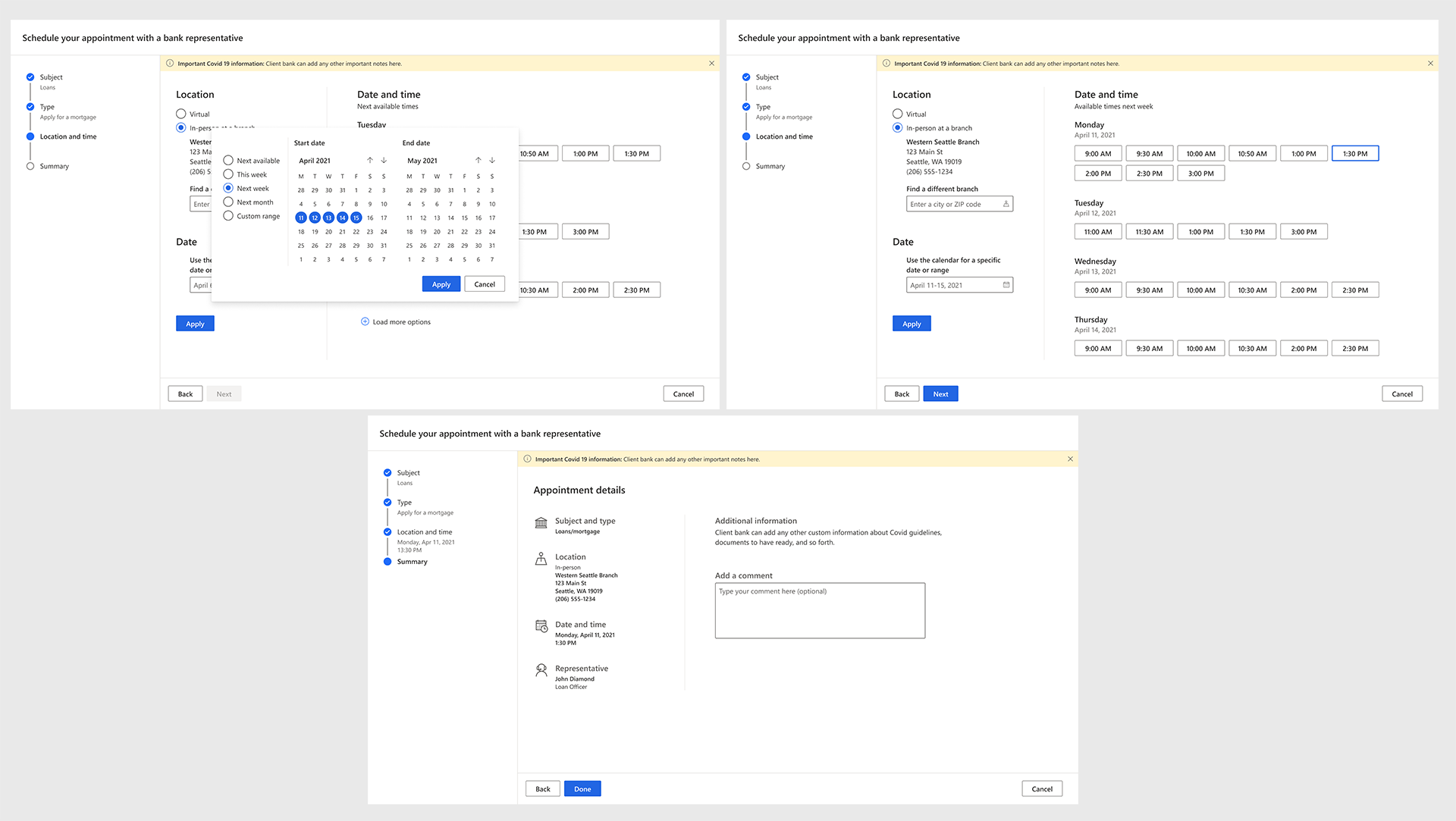
Intelligent Scheduling

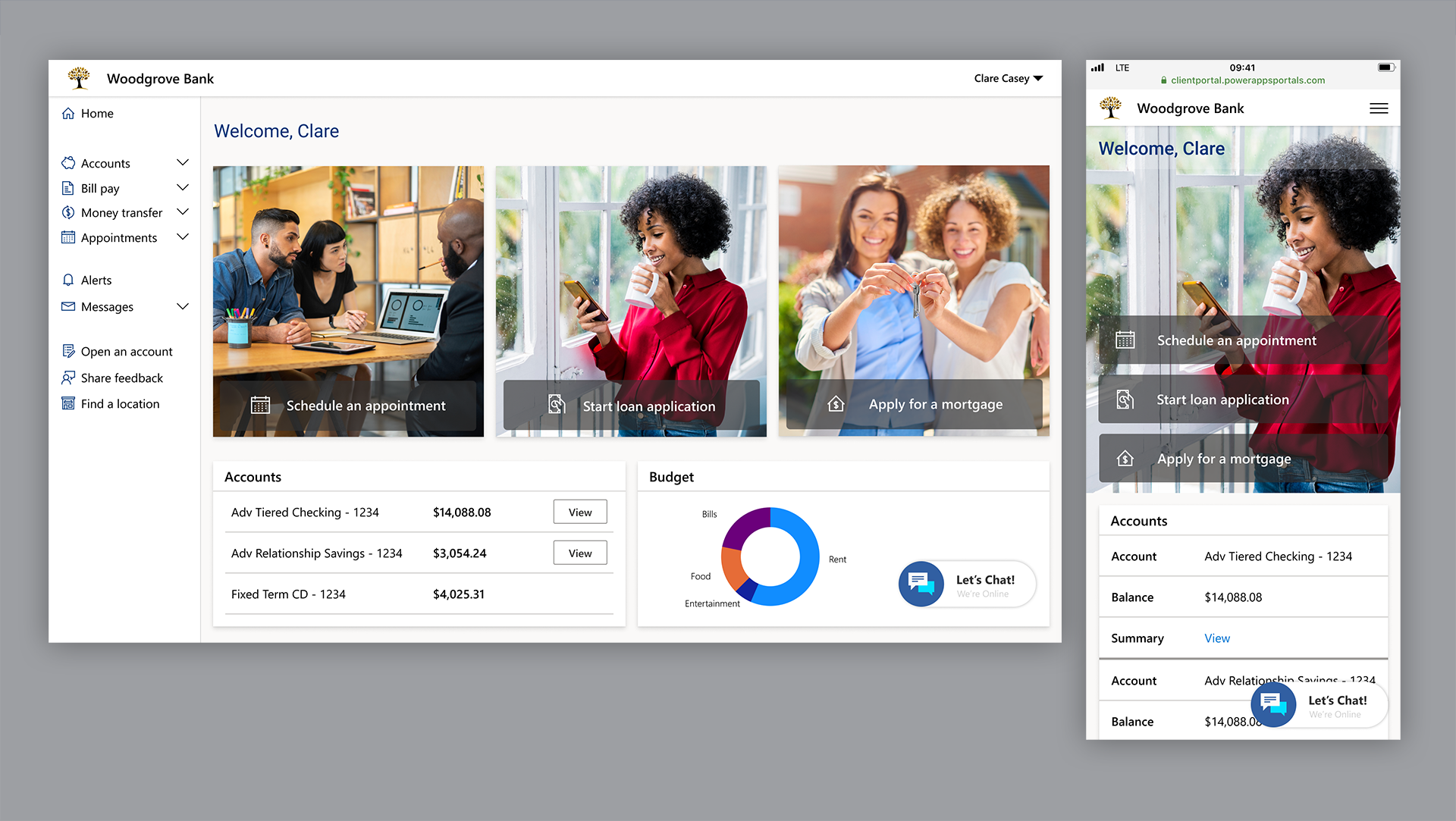
Self-scheduling let customers choose the need, time, location, and meeting format that worked for them while giving banks a more flexible service model.

Extending the vision.

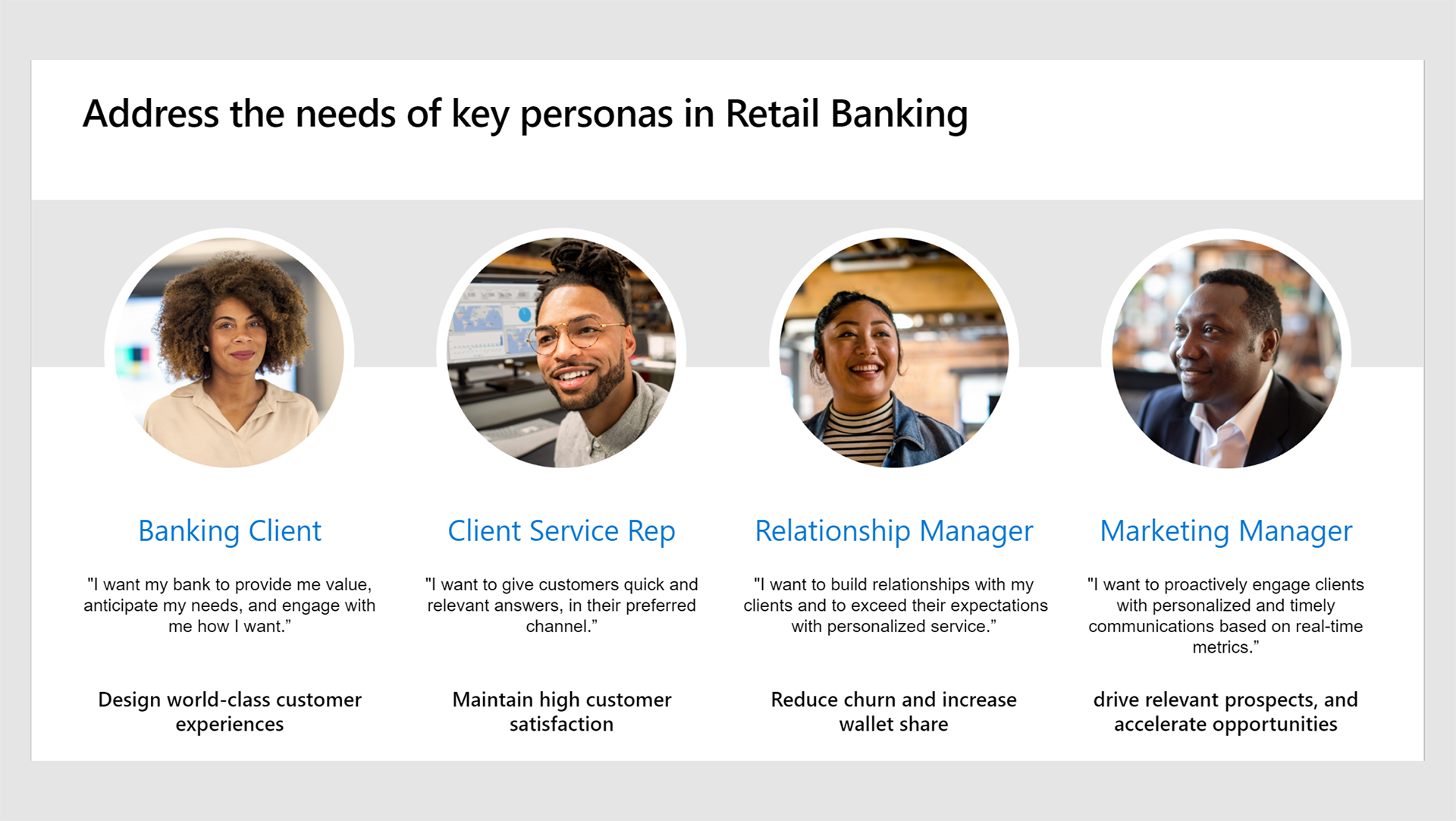
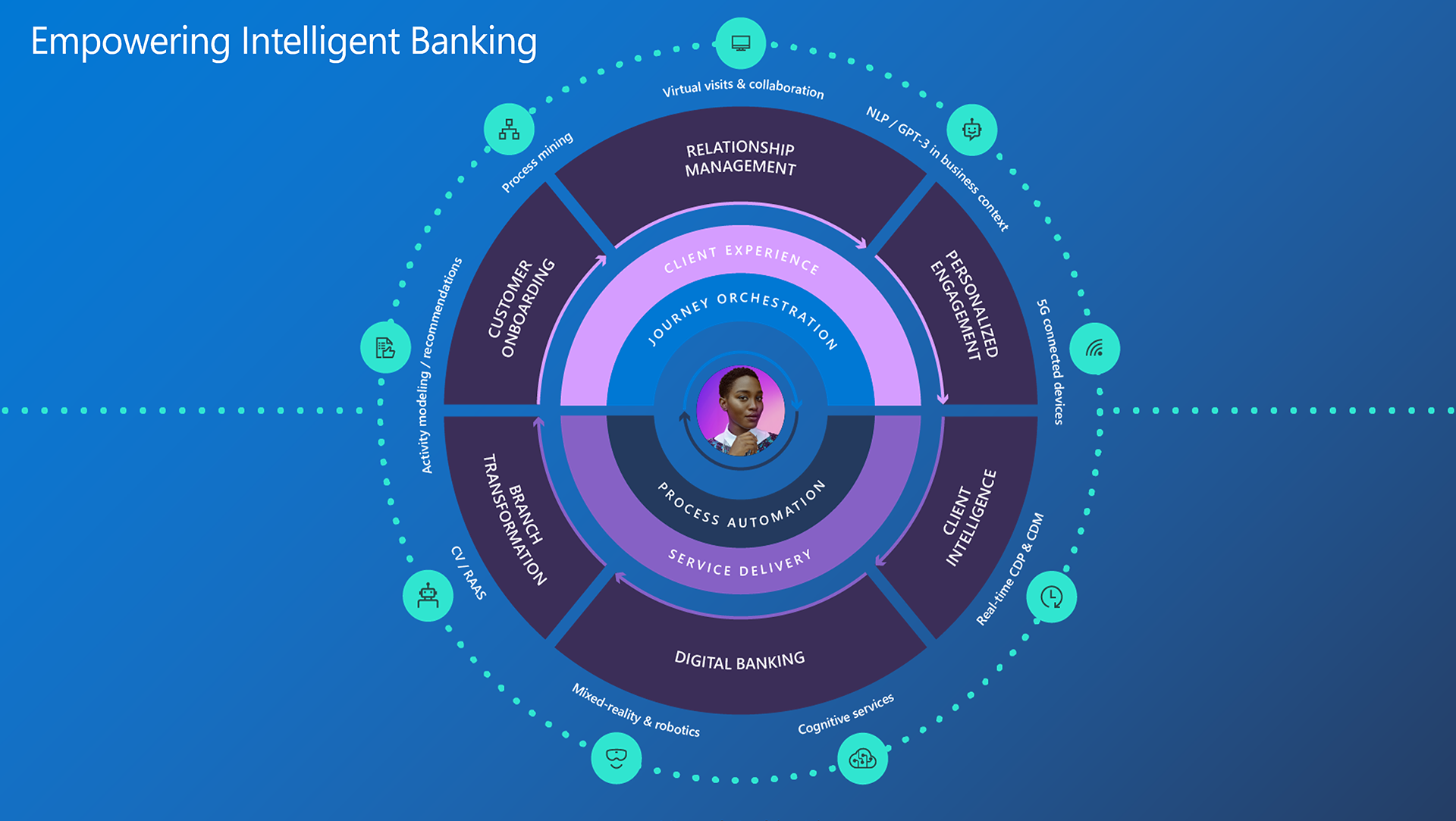
The closing vision explored how a trusted customer view and responsible recommendations could support the next generation of retail banking experiences.

  • Previous ProjectMicrosoft Fluent

  • Next ProjectMicrosoft Cloud: Healthcare